
Từ Thẻ Thành Viên Đến Giải Thưởng Triệu Đô: Câu Chuyện Thành Công Của Người Chơi Casino Hiện Đại

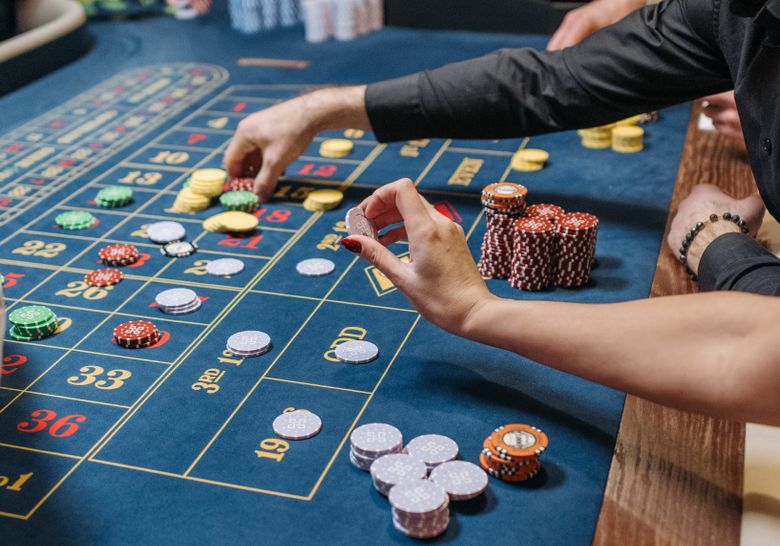
Mùa hè năm nay, các sòng bạc trên khắp khu vực Đông Nam Á như đang bùng nổ ánh sáng và âm thanh. Những ánh đèn neon rực rỡ, tiếng nhạc sôi động và hương thơm của cocktail khiến người chơi đổ xô tới các sàn chơi để tận hưởng không khí lễ hội. Các chương trình khuyến mãi đặc biệt – từ “deposit bonus” lên tới 200 % đến “free spin” không giới hạn – được quảng bá rầm rộ trên mọi kênh truyền thông, khiến mùa hè trở thành thời điểm “vàng” cho những ai muốn vừa giải trí vừa kiếm tiền.

Trong bối cảnh này, chương trình khách hàng thân thiết (loyalty programs) đã trở thành yếu tố quyết định, biến một buổi chơi giải trí thành cơ hội thay đổi cuộc đời. Khi người chơi tích lũy điểm qua mỗi ván cược, họ không chỉ nhận được ưu đãi tức thời mà còn mở ra những cánh cửa dẫn tới các “bonus pool” đặc biệt, thậm chí là jackpot hàng triệu đô. Để hiểu rõ hơn về cách các chương trình này hoạt động, bạn có thể tham khảo thêm thông tin tại trang cá cược bóng đá, nơi cung cấp các hướng dẫn chi tiết về các nền tảng cá cược trực tuyến.

Liệu một thẻ thành viên có thể đưa bạn từ một người chơi bình thường tới người chiến thắng triệu đô? Câu trả lời không chỉ nằm ở may mắn, mà còn ở chiến lược, công nghệ và cách bạn khai thác tối đa các điểm thưởng. Hãy cùng khám phá hành trình từ thẻ bạc tới giải thưởng triệu đô trong bài viết dưới đây.

1. Lịch sử và sự tiến hoá của chương trình khách hàng thân thiết trong ngành casino

Chương trình khách hàng thân thiết xuất hiện lần đầu vào những năm 1970 tại các sòng bạc truyền thống của Las Vegas. Ban đầu, chúng chỉ là những thẻ “player card” ghi lại tổng số tiền cược, giúp sòng bạc theo dõi mức độ tiêu thụ của khách hàng. Khi một người chơi đạt mức nhất định, họ sẽ nhận được một bữa tiệc miễn phí hoặc một bữa ăn tại nhà hàng sang trọng.

Những thập kỷ sau, công nghệ thẻ từ (magstripe) được thay thế bằng thẻ RFID và sau đó là thẻ điện tử tích hợp QR code. Điều này cho phép các sòng bạc thu thập dữ liệu chi tiết hơn: thời gian chơi, loại trò chơi, và mức cược trung bình. Nhờ vào dữ liệu này, các nhà điều hành bắt đầu xây dựng hệ thống cấp bậc đa tầng – Silver, Gold, Platinum, Diamond – mỗi cấp bậc đi kèm với tỷ lệ điểm thưởng cao hơn và các ưu đãi độc quyền.

Sự bùng nổ của công nghệ số và big data vào những năm 2010 đã đưa loyalty program lên một tầm cao mới. Các thuật toán phân tích hành vi người chơi (behavioral analytics) cho phép cá nhân hoá ưu đãi: một người chơi ưa thích slot có RTP > 96 % sẽ nhận được “free spin” trên các trò cùng thể loại, trong khi người chơi thích blackjack sẽ được tặng “cashback” theo tỷ lệ cược. Nhờ vào trí tuệ nhân tạo, các sòng bạc còn có thể dự đoán thời điểm “peak” của người chơi và gửi thông báo khuyến mãi đúng lúc, tối đa hoá khả năng chuyển đổi điểm thành doanh thu.

2. Cấu trúc cấp bậc và cách tính điểm: Bí quyết “điểm số” dẫn tới giải jackpot

Các chương trình loyalty hiện đại thường chia thành bốn cấp bậc chính:

  • Silver: 0 – 9 000 điểm, tỉ lệ thưởng 1 % trên tổng cược.
  • Gold: 9 001 – 30 000 điểm, tỉ lệ thưởng 1.5 %.
  • Platinum: 30 001 – 75 000 điểm, tỉ lệ thưởng 2 %.
  • Diamond: > 75 000 điểm, tỉ lệ thưởng 3 % và quyền truy cập “VIP lounge”.

Công thức tính điểm thường dựa trên ba yếu tố:

  1. Số tiền cược (Bet Amount) – mỗi 1 USD cược sẽ nhận 1 điểm.
  2. Thời gian chơi (Play Time) – mỗi 10 phút chơi liên tục sẽ cộng thêm 50 điểm.
  3. Loại trò chơi (Game Type) – slot có hệ số 1, table game (blackjack, roulette) có hệ số 1.2, và game live dealer có hệ số 1.5.

Ví dụ thực tế: Nguyễn Văn A chơi slot “Book of Ra” với cược 20 USD trong 30 phút. Anh ta sẽ nhận: 20 × 1 = 20 điểm (cược) + 3 × 50 = 150 điểm (thời gian) + 20 × 1 = 20 điểm (loại game) = 190 điểm. Khi tích lũy đủ 9 000 điểm, anh chuyển lên Gold và mở khóa “bonus pool” 5 % tăng thêm cho mọi cược trong tuần tới.

3. Các loại phần thưởng: Từ tiền mặt, vòng quay miễn phí tới trải nghiệm sang trọng

Danh mục phần thưởng phổ biến

Loại phần thưởng Mô tả Giá trị ước tính
Tiền mặt (Cashback) Hoàn trả 5‑10 % tổng cược trong tháng 100 – 5 000 USD
Vòng quay miễn phí (Free Spins) 10‑50 vòng quay trên slot mới 20 – 200 USD
Khách sạn & resort Đêm ở suite 5 sao, bữa ăn buffet 300 – 1 200 USD
Vé show, du lịch Vé concert, tour du lịch quốc tế 500 – 3 000 USD
Trải nghiệm VIP Đưa xe limousine, bàn chơi riêng 1 000 – 5 000 USD

Tiền mặt luôn là phần thưởng “đánh mạnh” vì người chơi có thể rút ngay. Tuy nhiên, các ưu đãi phi tiền tệ như khách sạn, vé show thường có giá trị thực tế cao hơn so với mức “đánh giá” ban đầu, vì chúng bao gồm chi phí dịch vụ và trải nghiệm độc quyền. Những phần thưởng này không chỉ tăng thời gian chơi mà còn tạo cảm giác “được trân trọng”, khuyến khích người chơi quay lại.

4. Câu chuyện thực tế: Người chơi “Summer Star” – Từ thẻ bạc tới giải jackpot 1 triệu đô

Tiểu sử nhanh: Lê Minh Hùng, 28 tuổi, sinh sống tại Hà Nội, bắt đầu chơi casino trực tuyến vào mùa hè 2021 với thẻ bạc (Silver). Anh chỉ có ngân sách 200 USD mỗi tháng và tập trung vào slot có RTP 96.5 %.

Hành trình tích lũy:
- Mùa hè 2021: Đạt 8 000 điểm, nhận 10 free spins trên “Starburst”.
- Mùa hè 2022: Tăng cược trung bình lên 30 USD, đạt 25 000 điểm, lên Gold và nhận 5 % cashback.
- Mùa hè 2023: Áp dụng chiến lược “bet sizing” (cược 2 % ngân sách mỗi vòng) trên slot “Mega Joker”, tích lũy 45 000 điểm, lên Platinum.

Khoảnh khắc bứt phá: Vào ngày 15 tháng 8 2023, hệ thống gửi “trigger event” khi điểm của anh vượt 70 000, mở khóa “Jackpot Bonus Pool”. Anh quyết định đặt cược 500 USD trên slot “Mega Fortune”. Quay vòng cuối cùng, biểu tượng “wheel” xuất hiện, kích hoạt jackpot 1 triệu USD.

Sau khi thắng, Minh Hùng rút tiền qua ngân hàng và chuyển một phần vào quỹ đầu tư. Câu chuyện của anh được lan truyền trên các diễn đàn casino, chứng minh rằng việc hiểu và tối ưu hoá loyalty points có thể tạo ra “cầu vồng” tài chính.

5. Phân tích kỹ thuật: Làm sao hệ thống loyalty xác định người chiến thắng jackpot?

Thuật toán RNG kết hợp dữ liệu thành viên

Mỗi lần người chơi thực hiện một “trigger event”, hệ thống sẽ gọi một hàm RNG (Random Number Generator) được kiểm chứng bởi các cơ quan giám sát như eCOGRA. RNG tạo ra một chuỗi số ngẫu nhiên, sau đó được “mix” với các tham số thành viên: mức điểm hiện tại, cấp bậc, và lịch sử cược trong 30 ngày gần nhất.

Trigger events

  • Point Threshold: Khi điểm vượt mức 70 000 (ví dụ Diamond).
  • Bet Volume: Khi tổng cược trong 24 giờ > 5 000 USD.
  • Game Specific: Khi người chơi hoàn thành “mission” trong slot (ví dụ 3 lần xuất hiện biểu tượng đặc biệt).

Khi một trong các trigger này được kích hoạt, hệ thống ghi lại thời gian, ID người chơi và giá trị RNG. Kết quả được lưu trữ trong log bảo mật, sau đó được gửi tới một bên thứ ba để kiểm toán.

Bảo mật và kiểm toán

Các sòng bạc lớn thường hợp tác với các công ty kiểm toán độc lập (ví dụ iTech Labs) để thực hiện “audit trail”. Log dữ liệu được mã hoá SHA‑256 và lưu trữ trên máy chủ riêng, không cho phép truy cập trái phép. Điều này đảm bảo tính công bằng và minh bạch, đồng thời đáp ứng yêu cầu của các cơ quan quản lý như PAGCOR hay MGA.

6. Chiến lược tối ưu hoá điểm thưởng cho người chơi mùa hè

  • Chọn trò chơi có RTP cao: Slot “Gonzo’s Quest” (RTP 96.0 %) và “Blood Suckers” (RTP 98 %) cho phép tích lũy điểm nhanh hơn vì mỗi đồng cược mang lại nhiều điểm hơn.
  • Bet sizing thông minh: Đặt cược 2 % ngân sách mỗi vòng, tránh “all‑in” đột ngột. Điều này kéo dài thời gian chơi, tăng thời gian “play time” và do đó tăng điểm thời gian.
  • Kết hợp khuyến mãi mùa hè:
  • Deposit bonus 150 % khi nạp ít nhất 100 USD.
  • Free spins 20 lần cho slot “Summer Heat”.
  • “Cashback” 10 % cho các ván chơi vào cuối tuần.

Point‑earning calendar (12 tuần)

Tuần Hoạt động chính Điểm mục tiêu
1‑2 Nạp 200 USD, nhận deposit bonus 5 000
3‑4 Chơi slot RTP > 96 % 3 giờ/ngày 8 000
5‑6 Tham gia “Free Spin” event 6 000
7‑8 Đặt cược tối thiểu 50 USD trên table game 7 000
9‑10 Sử dụng “Cashback” để tăng ngân sách 9 000
11‑12 Kích hoạt “trigger event” bằng điểm tổng 12 000

Áp dụng lịch này giúp người chơi duy trì mức điểm ổn định, đồng thời tối đa hoá lợi nhuận từ các ưu đãi mùa hè.

7. Rủi ro và cách quản lý ngân sách khi tham gia chương trình khách hàng thân thiết

Cạm bẫy “chasing points”

Nhiều người chơi, khi gần đạt mức cấp bậc mới, sẽ tăng cược không kiểm soát để “đánh bại” điểm. Điều này dễ dẫn tới thua lỗ lớn và phá vỡ ngân sách.

Công cụ quản lý ngân sách

  • Limit Setting: Hầu hết các sòng bạc cho phép đặt giới hạn nạp tiền (deposit limit) và giới hạn cược (bet limit) hàng ngày.
  • Self‑Exclusion: Tùy chọn tạm dừng tài khoản trong một khoảng thời gian nhất định.
  • Alert System: Nhận thông báo qua email hoặc push notification khi chi tiêu vượt ngưỡng đã định.

Đặt giới hạn cược và thời gian

Khuyến nghị: không vượt quá 5 % ngân sách tổng cho một phiên chơi và không chơi quá 4 giờ liên tục. Khi đạt giới hạn thời gian, hãy tạm dừng, uống nước và kiểm tra lại mục tiêu điểm.

8. So sánh loyalty programs của các sòng bạc hàng đầu trong khu vực Đông Nam Á

Sòng bạc Cấp bậc Tốc độ lên hạng (điểm) Giá trị điểm (USD) Đa dạng phần thưởng Hỗ trợ khách hàng
Sun City Silver‑Diamond 10 000 – 80 000 0.01 USD/pt Cash, free spins, resort 24/7 live chat
Grand Lisboa Bronze‑Platinum 8 000 – 70 000 0.012 USD/pt Cash, VIP lounge, du lịch Email + hotline
Crown Silver‑Diamond 9 000 – 75 000 0.009 USD/pt Cash, free bets, concert 24/7 phone
Galaxy Silver‑Platinum 7 500 – 65 000 0.011 USD/pt Cash, free spins, spa Live chat
Marina Bronze‑Diamond 6 000 – 85 000 0.008 USD/pt Cash, travel, yacht 24/7 email

Lời khuyên chọn sòng bạc

  • Nếu bạn muốn tăng điểm nhanh, chọn Marina vì ngưỡng lên hạng thấp.
  • Nếu ưu tiên độ sang trọng và trải nghiệm VIP, Grand Lisboa và Sun City là lựa chọn tốt.
  • Đối với độ tin cậy và hỗ trợ nhanh, Crown và Galaxy cung cấp dịch vụ khách hàng 24/7.

9. Tác động của công nghệ di động và AI lên trải nghiệm loyalty trong mùa hè

Ứng dụng di động

Hầu hết các sòng bạc hiện nay có app di động cho phép người chơi theo dõi điểm, nhận thông báo khuyến mãi real‑time và thực hiện nạp/rút tiền chỉ trong vài giây. Thông báo push sẽ nhắc nhở người chơi khi có “bonus pool” mới hoặc khi điểm sắp đạt ngưỡng “trigger”.

AI đề xuất trò chơi

Các thuật toán AI phân tích lịch sử cược, thời gian chơi và mức RTP ưa thích, sau đó gợi ý các slot hoặc table game có khả năng mang lại điểm tối đa. Ví dụ, nếu người chơi thường thắng ở slot “Book of Ra” với RTP 96 %, AI sẽ đề xuất các slot có tính năng “expanding wild” tương tự để duy trì chuỗi thắng.

Tương lai: loyalty token trên blockchain

Một số sòng bạc đang thử nghiệm loyalty token dựa trên blockchain, cho phép người chơi chuyển đổi điểm thành token ERC‑20 và giao dịch trên sàn tiền điện tử. Điều này mở ra khả năng rút tiền trực tiếp bằng crypto, giảm chi phí chuyển đổi và tăng tính minh bạch. Mặc dù vẫn còn trong giai đoạn thí nghiệm, công nghệ này hứa hẹn sẽ thay đổi cách người chơi quản lý và sử dụng điểm trong tương lai.

10. Hướng dẫn bước‑bước để đăng ký, kích hoạt và tận dụng tối đa chương trình khách hàng thân thiết ngay hôm nay

  1. Đăng ký tài khoản
  2. Truy cập trang web của sòng bạc lựa chọn.
  3. Điền thông tin cá nhân (họ tên, email, số điện thoại).
  4. Xác thực tài khoản qua email hoặc SMS.

  5. Liên kết thẻ thành viên

  6. Vào mục “Loyalty” trong hồ sơ người dùng.
  7. Nhập mã thẻ (có thể nhận khi nạp tiền lần đầu).
  8. Xác nhận để hệ thống gán điểm cho tài khoản.

  9. Kích hoạt bonus mùa hè

  10. Kiểm tra “Promotions” để tìm “Summer Bonus”.
  11. Nhấn “Activate” và thực hiện nạp tiền tối thiểu (thường 100 USD).
  12. Bonus sẽ tự động cộng vào tài khoản dưới dạng “free spins” hoặc “cashback”.

  13. Lập “point‑earning calendar” 12 tuần

  14. Tuần 1‑2: Nạp 200 USD, nhận deposit bonus 150 %.
  15. Tuần 3‑4: Chơi slot RTP > 96 % ít nhất 3 giờ/ngày.
  16. Tuần 5‑6: Tham gia “Free Spin” event, tích lũy 6 000 điểm.
  17. Tuần 7‑8: Đặt cược tối thiểu 50 USD trên table game.
  18. Tuần 9‑10: Sử dụng “Cashback” để tăng ngân sách.
  19. Tuần 11‑12: Đạt điểm ngưỡng trigger, kích hoạt jackpot pool.

  20. Theo dõi và rút tiền

  21. Vào mục “My Points” để kiểm tra điểm hiện tại.
  22. Khi đạt mức “Cashout”, nhấn “Withdraw”.
  23. Chọn phương thức rút (bank transfer, e‑wallet, hoặc crypto nếu sòng bạc hỗ trợ).

Mẹo cuối cùng

  • Kiểm tra Oajse: Trang này cung cấp các đánh giá khách quan về các nền tảng cá cược, giúp bạn so sánh ưu nhược điểm trước khi quyết định đăng ký.
  • Giữ an toàn: Luôn bật xác thực hai yếu tố (2FA) và không chia sẻ mật khẩu với bất kỳ ai.

Conclusion

Loyalty programs đã chuyển đổi hoàn toàn cách người chơi trải nghiệm casino. Từ việc nhận “free spin” đơn giản, chúng đã trở thành hệ thống điểm thưởng phức tạp, gắn liền với công nghệ AI, big data và thậm chí blockchain. Nhờ vào các cấp bậc, công thức tính điểm minh bạch và các “trigger events”, người chơi không còn phụ thuộc hoàn toàn vào may mắn mà có thể tối ưu hoá chiến lược, quản lý ngân sách và hướng tới những giải jackpot triệu đô.

Thành công mùa hè không chỉ là một cú sốc may mắn; nó là kết quả của việc hiểu rõ cơ chế loyalty, áp dụng các chiến thuật chơi thông minh và luôn duy trì kỷ luật tài chính. Hãy áp dụng những bí quyết trên, khám phá các chương trình khách hàng thân thiết tại các sòng bạc uy tín và biến mùa hè của bạn thành hành trình “từ thẻ thành viên tới triệu đô”.

Read more...

How Lightning‑Fast Payments Are Redefining the Online Casino Experience

The digital age has turned “instant” into a baseline expectation. From streaming a song to ordering a meal, consumers are accustomed to seeing results in seconds, and casino players are no different. When a player clicks “play now” on a slot or places a live‑dealer bet, the adrenaline rush is immediate—but the excitement can evaporate if the bankroll takes minutes or hours to move. This shift toward instant‑money culture is forcing operators to rethink every step of the payment chain, from the moment a player loads a deposit to the final cash‑out of winnings.

When you’re hunting for the best online casinos uae the speed of your bankroll moves can be as decisive as the game selection. A fast‑moving wallet lets you chase a hot streak on Book of Ra Deluxe or claim a 100 % match bonus on a new slots release without waiting for a bank transfer to clear.

Fast deposits and withdrawals do more than add convenience; they unlock higher‑value promotions, reduce the friction that fuels problem‑gambling behaviors, and raise the bar for security protocols. In the sections that follow we will trace the evolution of casino payment infrastructure, explore why speed matters to player psychology, rank the quickest deposit and withdrawal methods of 2024, and examine how bonuses, fraud prevention, and regional regulations intersect with ultra‑fast money flow.

1. The Evolution of Casino Payment Infrastructure

The first generation of online gambling sites relied on archaic bank transfers and, in some cases, paper checks mailed to players. Those methods could take days, sometimes weeks, to settle, and they discouraged spontaneous play. The early 2000s saw the introduction of credit‑card processing, which cut settlement to a few business days and gave players a familiar, trusted channel.

The real turning point arrived with e‑wallets such as Skrill and Neteller. By aggregating funds in a digital vault, these services enabled “instant‑play” sessions where a deposit appeared in the casino account almost instantly. The convenience sparked a wave of mobile‑first operators, especially in markets where traditional banking was cumbersome.

In the past two years, blockchain‑based solutions and real‑time payment APIs have pushed the envelope further. Platforms that integrate directly with payment rails can confirm a transaction in under a second, while regulated instant‑settlement networks guarantee that funds move across borders without manual reconciliation.

1.1. From Batch Processing to Real‑Time APIs

Legacy systems processed transactions in batches, often overnight, which created latency and required extensive reconciliation. Modern APIs expose transaction status in real time, allowing the casino’s back‑office to credit a player’s balance the moment the payment processor sends a confirmation. This shift reduces settlement from days to seconds and eliminates the “pending” label that frustrates users.

1.2. Regulatory Catalysts Accelerating Speed

Regulators worldwide have begun to view sluggish payouts as a consumer‑protection issue. Automated AML/KYC checks, powered by machine‑learning, now verify identity within minutes, enabling licensing bodies to grant faster payout licenses. In jurisdictions such as the UK and Malta, compliance frameworks explicitly encourage operators to adopt instant‑settlement solutions, creating a competitive advantage for those who comply quickly.

2. Why Speed Matters: Player Psychology & Retention

Human brains are wired for instant gratification; the dopamine spike from a win is strongest when the reward follows the action without delay. Fast payouts reinforce that loop, encouraging longer sessions and higher average bets. Studies of player behavior show that when withdrawals are processed within an hour, lifetime value (LTV) can increase by up to 15 % compared with sites that take 48 hours or more.

Operators that upgraded to real‑time payouts reported measurable churn reductions. One European casino saw a 9 % drop in monthly attrition after integrating an e‑wallet that settled withdrawals in under ten minutes. The psychological comfort of knowing money is accessible on demand translates directly into repeat visits and higher engagement with high‑RTP slots like Gonzo’s Quest.

3. The Fastest Deposit Methods in 2024

Rank Method Avg. Processing Time Typical Fees Notable Feature
1 E‑wallets (Skrill, Neteller, ecoPayz) 5 seconds $0‑$2 Instant balance credit
2 Mobile carrier billing 10‑15 seconds $1‑$3 No card needed
3 Crypto Lightning Network <1 second Network fee only Near‑anonymous
4 Prepaid virtual cards 20‑30 seconds $0‑$1 Works on all platforms
5 Traditional credit cards 1‑2 minutes 2‑3 % of deposit Widely accepted

E‑wallets dominate the deposit landscape because they sit between the player’s bank and the casino, buffering the transaction and confirming it instantly. Prepaid virtual cards, issued by services like Paysafecard, are gaining traction among players who prefer not to share banking details.

3.1. E‑Wallets: The Current Gold Standard

A typical e‑wallet deposit registers in the casino’s ledger within five seconds, allowing a player to join a live‑dealer table on Lightning Roulette almost immediately. Fees are modest, often a flat $1‑$2 or a small percentage, and security is reinforced by two‑factor authentication and tokenized card numbers.

3.2. Crypto Lightning Networks

Lightning Network channels enable sub‑second settlement for Bitcoin and compatible assets. A player can move funds from a custodial wallet to a casino’s Lightning node, and the casino credits the account instantly. The main advantage is privacy; no personal banking data is exchanged, and the transaction is recorded on a decentralized ledger, which can be appealing for high‑rollers seeking anonymity.

4. The Fastest Withdrawal Options and Their Real‑World Timelines

Withdrawal speed varies by method, but the industry leaders now promise near‑instant cash‑out. E‑wallets typically complete a payout in 10‑15 minutes after the casino approves the request. Crypto withdrawals, especially via Lightning, average 30‑45 minutes, accounting for network confirmations. Traditional bank transfers remain the slowest, often requiring 1‑3 business days.

A growing number of operators offer “instant cash‑out” through prepaid cards that load winnings directly onto a physical or virtual card within five minutes. This feature is popular among mobile casino UAE users who prefer to keep funds on a single device without opening a bank account.

5. Bonuses Tied to Payment Speed: What Players Should Look For

Fast‑cash bonus programs reward players who use instant deposit methods. For example, a casino may offer a 50 % match bonus up to $200 exclusively for e‑wallet deposits, with a reduced wagering requirement of 20x instead of the standard 30x. Reload offers often double for “instant” top‑ups, and some sites grant “no‑delay” free spins that can be used immediately after a qualifying deposit.

Operators leverage these promotions to attract high‑value players who value liquidity. However, players must scrutinize the fine print: wagering caps, expiry dates, and game restrictions can erode the apparent value. A quick checklist includes:

  • Does the bonus apply to all games or only selected slots?
  • What is the maximum amount of winnings that can be withdrawn from the bonus?
  • Are there any hidden fees for the chosen payment method?

Evaluating these factors helps ensure that a speed‑linked bonus truly enhances bankroll rather than creating a costly hurdle.

6. Security Implications of Ultra‑Fast Payments

Speed does not have to sacrifice safety. Modern platforms employ AI‑driven risk scoring that evaluates each transaction in milliseconds, flagging anomalies such as unusually large deposits from new IP addresses. Biometric verification—fingerprint or facial recognition—adds an extra layer without adding friction.

Encryption standards like TLS 1.3 protect data in transit, while end‑to‑end encryption secures the payload of instant payments. Compliance with PCI DSS for card data and GDPR for personal information remains mandatory, even when the transaction completes in seconds.

6.1. Fraud‑Detection Tools That Work in Real Time

Machine‑learning models ingest thousands of data points—device fingerprint, geolocation, betting patterns—and generate a risk score instantly. If the score exceeds a threshold, the system either blocks the transaction or routes it for manual review, all within the same second the player clicks “deposit.”

6.2. Player Verification Without the Wait

Digital identity wallets, such as those based on the European eIDAS framework, allow players to submit verified credentials with a single tap. The casino receives a verified identity token, eliminating the need for lengthy document uploads while maintaining regulatory compliance.

7. Geographic Nuances: Payment Speed Across Key Markets

Europe benefits from the SEPA instant credit transfer scheme, which enables near‑real‑time bank payouts across 36 countries. North America relies heavily on ACH and card networks; while faster than traditional wires, they still average 30‑45 minutes for e‑wallet withdrawals.

The Middle East, and the UAE in particular, presents unique challenges. Local banks often enforce stricter settlement windows, and some international e‑wallets face licensing hurdles. However, licensed UAE operators that partner with regional payment processors can achieve withdrawal times comparable to European standards. Understanding these nuances helps players choose a platform that aligns with their location’s infrastructure.

8. Choosing the Right Casino for Lightning‑Fast Money Flow

Checklist for players

  • License from a reputable authority (e.g., Malta Gaming Authority, UKGC)
  • Full roster of instant deposit methods (e‑wallets, crypto, carrier billing)
  • Published withdrawal times, ideally ≤ 15 minutes for e‑wallets
  • Transparent bonus terms that reward fast payments without excessive wagering

Conceptual comparison table

Casino License Fast Deposit Options Fast Withdrawal Avg. Speed‑Bonus Offer
Casino A MGA Skrill, Neteller, Lightning 12 min (e‑wallet) 50 % match up to $200 (e‑wallet only)
Casino B UKGC PayPal, ecoPayz, prepaid cards 8 min (prepaid) 30 % reload every 24 h (instant)
Casino C Curacao Crypto Lightning, mobile billing 5 min (crypto) 100 % match up to $100 (crypto)
Casino D UAE (local) Local e‑wallet, carrier billing 10 min (local e‑wallet) 25 % bonus on first instant deposit

Red flags include hidden processing fees, “pending” withdrawal statuses that linger beyond advertised times, and processors that require manual bank verification for every payout.

9. Future Trends: What Will Speed Look Like in the Next Five Years?

The rollout of 5G networks will shrink latency for mobile casino UAE users, enabling real‑time data exchange between the player’s device and the payment gateway. Open‑banking APIs, mandated in the EU’s PSD2 framework, are already allowing third‑party apps to initiate transfers with a single click, a model that will spread globally.

Decentralized finance (DeFi) protocols promise “instant‑settle” jackpots paid out via smart contracts, eliminating the need for any intermediary. Imagine a progressive slot where the jackpot is automatically split among winners the moment the winning combination lands, with funds transferred to each player’s crypto wallet in under a second.

Regulators are expected to codify standards for ultra‑fast payouts, balancing consumer protection with innovation. We may see mandatory real‑time KYC verification and standardized dispute‑resolution timelines, ensuring that speed never compromises fairness.

Conclusion

Payment speed has moved from a nice‑to‑have feature to a core competitive edge for online casinos. Rapid deposits let players jump into action on high‑RTP slots, while swift withdrawals keep winnings within reach, reinforcing trust and encouraging repeat play. When speed is paired with transparent, speed‑linked bonuses and robust, AI‑driven security, the overall player experience reaches a new level of convenience and excitement.

For anyone seeking the optimal blend of lightning‑fast money flow, solid licensing, and rewarding promotions, the priority should be a casino that showcases documented instant‑deposit and withdrawal times, offers a diverse roster of rapid payment methods, and maintains clear, fair bonus conditions. By focusing on these criteria, players can maximize both enjoyment and value in the ever‑evolving world of real‑money casino gaming.

Read more...

From Tables to Triumph: How Live‑Dealer Games Turn Ordinary Players into Millionaires

The camera zoomed in on the dealer’s hand as the roulette ball clattered against the ivory‑kissed wheel, then bounced once more before settling on the red 32. In that split‑second pause, a player’s heart raced, the chat window exploded with “OMG!” and the screen flashed a seven‑figure jackpot. Moments like this have become the new folklore of online gambling, where a live‑dealer table can transform a modest bankroll into a life‑changing fortune.

Over the past five years, live‑dealer platforms have surged in popularity, offering the tactile feel of a brick‑and‑mortar casino from the comfort of a living room couch. This growth has not only expanded the pool of participants but also amplified the size of payouts, as higher betting limits and progressive side‑bets become standard. For readers seeking regulated environments, the resource uae betting sites provides a curated list of licensed operators that meet stringent local standards.

In the sections that follow, we will dissect real success stories, unpack the mechanics that make live‑dealer games capable of producing million‑dollar wins, and explore the psychological and regulatory factors that separate a lucky spin from a sustainable fortune.

The Evolution of Live‑Dealer Gaming: From Casino Floors to Living Rooms

The journey began in the early 2000s with low‑resolution webcams streaming a single dealer’s face to a handful of users. Those rudimentary feeds were plagued by lag, limited camera angles, and minimal interaction, yet they sparked the idea that a physical table could be digitised.

A decade later, high‑definition (HD) streaming and multi‑camera rigs turned the experience into a cinematic event. Players can now switch between a bird’s‑eye view of the entire table, a close‑up of the dealer’s hand, and a side angle that follows the roulette wheel’s spin. The introduction of low‑latency codecs reduced delay to under two seconds, making in‑play betting feel as immediate as a floor‑based decision.

Artificial intelligence has further refined the experience. AI‑assisted croupiers monitor chat for compliance, flag suspicious betting patterns, and even suggest optimal side‑bet placements based on a player’s wagering history. Real‑time betting interfaces now integrate cryptocurrency wallets, allowing instant deposits and withdrawals without the friction of traditional banking.

These technological leaps have broadened access dramatically. Mobile‑first designs mean a player can join a live‑dealer table from a smartphone while commuting, and betting limits have risen from $100 to $100,000 per hand on premium tables. The combination of seamless streaming, AI support, and flexible payment options has paved the way for the kind of life‑altering wins that were once the exclusive domain of high‑rollers in Vegas.

Anatomy of a Million‑Dollar Live‑Dealer Win

  1. Game selection – Most million‑dollar jackpots arise from live Blackjack, Roulette, or Baccarat, where progressive side‑bets are offered.
  2. Betting structure – Players place a base wager (e.g., $5,000 on Blackjack) and may add a side‑bet such as “Perfect Pairs” or “Lucky Wheel.” These side‑bets contribute to a shared progressive jackpot that grows with each round.
  3. Dealer interaction – The dealer announces the hand, reveals cards, and confirms side‑bet eligibility in real time, creating a transparent environment that encourages larger stakes.
Element Traditional Slots Live‑Dealer Blackjack
Base RTP 96 % 99 % (excluding side‑bets)
Max bet per spin $100 $25,000
Progressive jackpot trigger Specific symbol combo Side‑bet “Super 7”
Average time to jackpot 2‑3 hours of play 30‑45 minutes of high‑stakes play

Statistically, the odds of hitting a progressive jackpot in live Blackjack are roughly 1 in 12,000 when the side‑bet is active, compared with 1 in 30,000 for a high‑variance slot. The higher betting limits and the ability to wager multiple side‑bets per hand compress the timeline to a million‑dollar payout. Moreover, live dealers verify each card shuffle using automated deck‑tracking, ensuring the randomness required for fair play.

Case Study #1: The “Dubai Blackjack Millionaire”

The player, known only as “Falcon,” entered the live‑dealer room with a $250,000 bankroll, drawn by the promise of a $5 million “Blackjack Super 7” jackpot. Falcon’s background in high‑frequency trading gave him a disciplined approach to risk: he set a strict loss limit of 5 % per session and used a Kelly‑criterion‑based staking plan.

During the decisive session, Falcon placed a $20,000 base bet and added a $5,000 “Super 7” side‑bet on each hand. After a series of modest wins, the dealer dealt a perfect 7‑card sequence that triggered the progressive jackpot. Within ten minutes, Falcon’s account balance surged to $5.2 million.

Post‑win, Falcon consulted a tax advisor to navigate the UAE’s regulatory framework, transferred a portion of the winnings into a diversified portfolio, and donated a percentage to a charitable foundation focused on financial literacy. Psychologically, the win reinforced his belief in disciplined, data‑driven betting, while also exposing him to the pressures of sudden wealth.

Key lessons for aspiring high‑rollers include:

  • Adopt a bankroll management plan that caps exposure.
  • Leverage side‑bets that contribute to progressive jackpots.
  • Engage with licensed platforms—resources like Beconomydubai can help locate reputable operators.

Case Study #2: The “Roulette Royalty” Who Beat the Wheel

Emma, a 32‑year‑old graphic designer from London, began with a modest £2,000 bankroll on a live‑dealer roulette table that offered a “Wheel of Fortune” progressive jackpot. Her strategy combined measured bet sizing with a keen observation of dealer demeanor. Emma noted that dealers who smiled after a red outcome tended to maintain the streak, a subtle cue she used to adjust her betting pattern.

She employed a “martingale‑lite” approach: after each loss, she increased her bet by 25 % rather than doubling, preserving capital while still capitalising on streaks. Over a six‑hour session, Emma’s disciplined scaling allowed her to place a £10,000 “Lucky Wheel” side‑bet that finally aligned with the wheel’s lucky number, unlocking a £7.4 million payout.

Emma’s post‑win routine included securing her winnings in a high‑interest savings account, consulting a financial planner, and limiting future gambling exposure to 5 % of her net worth. She also praised the live dealer’s charisma, noting that the human element reduced the perceived randomness of the spin and boosted her confidence.

Her story highlights three actionable points:

  • Observe dealer behavior for subtle psychological edges.
  • Use progressive side‑bets to tap into larger jackpots.
  • Maintain a strict percentage‑of‑wealth betting cap to protect long‑term financial health.

The Psychology Behind Live‑Dealer Success

Human interaction fundamentally alters risk perception. When a dealer smiles, nods, or verbally acknowledges a large bet, the player experiences a “social proof” effect, interpreting the moment as a tacit endorsement of their decision. This can lower the perceived volatility of a high‑stakes hand, encouraging larger wagers.

Cognitive biases also play a role. The “availability heuristic” makes recent wins feel more probable, prompting players to chase streaks. Conversely, the “gambler’s fallacy” may cause a player to over‑bet after a series of losses, believing the wheel is due for a red. Live‑dealer environments amplify both biases because the immediacy of human feedback reinforces emotional responses.

Research on in‑play betting shows that live‑dealer formats generate higher engagement times than automated slots, partly due to the real‑time dialogue between player and dealer. Cryptocurrency integration adds another layer; the anonymity and speed of crypto transactions can reduce friction, making it easier for players to place impulsive bets without the pause of traditional banking verification.

Understanding these psychological levers helps players recognise when they are being nudged toward riskier behavior and allows them to implement counter‑measures such as pre‑session betting limits and scheduled breaks.

Regulatory Safeguards and Fair‑Play Guarantees

Licensing bodies such as the Malta Gaming Authority (MGA) and the UK Gambling Commission (UKGC) enforce strict standards on live‑dealer operators. These regulators require:

  • Real‑time video surveillance of the dealer’s table.
  • Independent third‑party audits of streaming latency and video integrity.
  • Verification of card decks and roulette wheels through RFID tags that broadcast shuffle data to the casino’s back‑end system.

Technical audits differentiate live‑dealer games from pure RNG slots. While RNGs rely on algorithmic randomness, live dealers use physical cards and wheels whose outcomes are verified by high‑resolution cameras and encrypted data streams. This “true‑shuffle” verification is audited weekly by firms such as iTech Labs to ensure no tampering.

Operating in regulated jurisdictions also protects players financially. Should a dispute arise, licensed operators must hold player funds in segregated accounts, and the regulator can enforce restitution. For those exploring the Middle Eastern market, platforms listed on the earlier‑mentioned uae betting sites page often hold licenses from the Dubai Department of Economic Development, adding an extra layer of consumer protection.

Beconomydubai serves as a neutral gateway for readers to compare these regulated options, offering links to operators that meet local licensing requirements without promoting any single brand.

Turning a Win into Sustainable Wealth: Advice from Financial Experts

  1. Immediate actions – Secure the winnings in a low‑risk account, obtain a professional valuation, and, if applicable, report the income to tax authorities. In the UAE, certain gambling winnings may be exempt, but verification with a tax specialist is essential.
  2. Wealth preservation – Allocate 40 % to diversified assets (equities, bonds, real estate), 30 % to a liquidity buffer, and 20 % to charitable giving or personal projects. The remaining 10 % can fund a modest continuation of gambling, capped at a pre‑determined percentage of net worth.
  3. Pitfalls to avoid –
  4. Overspending on luxury items immediately after the win.
  5. Re‑investing the entire sum into high‑risk gambling or speculative crypto ventures.
  6. Neglecting privacy; publicizing a sudden fortune can attract scams.

Financial planners stress that a sudden influx of wealth is a test of discipline. By treating the jackpot as a windfall rather than regular income, winners can transform a fleeting moment of luck into a foundation for long‑term prosperity.

Conclusion

Live‑dealer games have evolved from grainy webcam streams to immersive, multi‑camera experiences that blend human interaction with cutting‑edge technology. This evolution, coupled with progressive side‑bets, higher betting limits, and robust regulatory frameworks, creates a fertile environment for millionaire stories. Yet success hinges on more than chance; disciplined bankroll management, psychological awareness, and adherence to fair‑play standards are essential.

Responsible play remains paramount. Readers are encouraged to explore reputable, licensed platforms—resources like Beconomydubai can guide you to operators that prioritize security and transparency. Whether you aim to turn a hobby into a life‑changing event or simply enjoy the thrill of the table, understanding the mechanics, psychology, and safeguards behind live‑dealer games will equip you to gamble smarter, not just harder.

Read more...

Decoding Casino Costs: How Transparent Pricing and VIP Tiers Shape Responsible Play

The digital glow of an online casino promises instant thrills, massive jackpots, and a never‑ending parade of promotions. Yet beneath the flashing graphics lies a web of fees, wagering requirements and subtle incentives that can erode a player’s bankroll before the first bonus is even cashed out. For newcomers, the gap between the advertised “free spins” and the actual cost of a session can feel like stepping into a maze without a map.

Transparent gaming costs are the practice of laying every charge—house edge, transaction fee, bonus condition—out in the open, allowing players to calculate what they truly spend per hour of play. When a site openly details how much it takes from each wager, the player can make an informed decision rather than guesswork. A vivid illustration of market openness can be seen in the online betting singapore arena, where operators are increasingly required to publish fee schedules alongside their game libraries.

Beyond the baseline expenses, many platforms layer a tiered VIP program on top of the experience. These programs reward high‑rollers with cashback, faster withdrawals, and exclusive game access, but they also introduce new cost variables that can push a casual player toward higher wagering thresholds. Understanding how VIP tiers interact with overall spend is essential for anyone who wants to keep gambling a controlled pastime rather than a financial drain.

In the sections that follow, we’ll dismantle the price of a single spin, demystify typical VIP ladders, examine how regulators enforce cost transparency, walk you through a simple spreadsheet to calculate your personal “true cost,” and finish with practical strategies for enjoying rewards without losing sight of responsible play.

1. The Real Price of a Spin: Breaking Down the Cost Components

When you click “spin” on a slot or place a bet on a roulette table, three core forces begin to work against your bankroll. The first is the house edge, a statistical advantage built into every game. For example, a classic European roulette wheel carries an edge of 2.7 %, while a high‑variance slot like Dead or Alive may have an RTP (return‑to‑player) of 96.8 %, meaning the casino expects to keep roughly 3.2 % of all wagers over the long term.

Next come the operational fees that most players overlook. Deposits via credit cards often attract a 2–3 % surcharge, whereas e‑wallets such as Skrill or Neteller may charge a flat €0.50 per transaction. Withdrawals can be even pricier; a €100 cash‑out via bank transfer might incur a €5 fee plus a potential currency conversion cost of 1.5 % if the casino operates in a different base currency.

The third component is the bonus‑related cost. A 100 % match bonus of $200 sounds generous, but it usually carries a 35x wagering requirement on the bonus amount. In practice, the player must wager $7,000 before any winnings become withdrawable. Add to that “fine print” clauses like “maximum cashout of 5× bonus” and the effective cost of the bonus skyrockets.

All these elements converge to create the true cost per game session. A quick tip for beginners: record each deposit, the associated fee, and the total amount wagered in a notebook or simple app. Divide the sum of fees and expected house edge loss by the total hours played, and you’ll have a personal cost‑per‑hour figure that can guide budgeting decisions.

Quick tip box
- Log every deposit and withdrawal fee.
- Note the RTP of each game you play.
- Multiply wagered amount by (1 – RTP) to estimate house edge loss.
- Add transaction fees to get total cost per session.

2. VIP Levels Demystified: From Bronze to Platinum

Most major online casinos design their loyalty schemes as a ladder: Bronze, Silver, Gold, Diamond, and finally Platinum. The climb is usually measured by loyalty points earned through wagering volume. A typical structure might look like this:

Tier Points Needed (per month) Cashback Withdrawal Speed Exclusive Games Personal Manager
Bronze 0–2,999 2 % 48 h None No
Silver 3,000–9,999 5 % 24 h 2 exclusive slots Email support
Gold 10,000–29,999 8 % 12 h 5 exclusive slots, live dealer promos Live chat
Diamond 30,000–74,999 12 % 6 h All exclusive titles, higher limits Dedicated manager
Platinum 75,000+ 20 % Instant VIP tournaments, bespoke bonuses 24/7 personal host

The benefits are enticing: a Gold player might receive $50 cashback each week, while a Platinum member could enjoy a 20 % rebate on losses, effectively reducing the house edge for that player. Faster withdrawals also translate into better cash flow, a psychological boost that can encourage longer playing sessions.

However, each tier also carries hidden costs. To maintain Gold status, a player may need to wager $15,000 per month, which can force higher bet sizes and increase exposure to variance. Loyalty points themselves can be devalued; a casino might announce that points earned in June will be worth 10 % less in July, nudging players to spend more before the devaluation takes effect. The pressure to “climb” can become a subtle form of churn, especially for those who chase the prestige of Platinum without the bankroll to sustain the required volume.

Responsibility note
- Monitor how many points you need versus how much you actually want to wager.
- Beware of promotions that temporarily inflate point value – they often end with a return to the baseline, leaving you with unspent points and higher net spend.
- If you notice the VIP program dictating your betting schedule rather than enhancing enjoyment, it may be time to step back.

3. Industry Transparency: How Casinos Report Their Fees

Regulators such as the United Kingdom Gambling Commission (UKGC) and the Malta Gaming Authority (MGA) enforce strict disclosure rules. Licensed operators must publish a “Terms and Conditions” page that details every fee, from deposit surcharges to withdrawal limits, in language that is easily understandable.

Best‑practice sites go a step further. They place a dedicated “Fees & Costs” hub on the main navigation bar, featuring a table that lists:

  • Deposit methods and associated percentages or flat rates.
  • Withdrawal processing times and any minimum/maximum limits.
  • Currency conversion rates used for non‑EUR players.
  • Bonus wagering multipliers and maximum cashout caps.

Third‑party auditors, like eCOGRA or iTech Labs, regularly audit game RTPs and fairness algorithms. Their certification seals appear alongside each game, allowing players to verify that the advertised RTP matches the tested result.

Before signing up, players can verify transparency by:

  • Scanning the site’s footer for regulator logos and clicking through to the licensing page.
  • Checking whether the “Terms” link opens a searchable PDF rather than a dense wall of text.
  • Looking for independent reviews on neutral resources such as Itmanagerdaily, which frequently lists gambling platforms alongside their fee structures for quick comparison.

Mini‑checklist for evaluating cost‑visibility
- Is there a separate fees page?
- Are transaction costs broken down per payment method?
- Does the site display RTP percentages for each game?
- Are bonus wagering requirements clearly stated?
- Is the licensing information up‑to‑date and verifiable?

4. Calculating Your Personal “True Cost” with a Simple Spreadsheet

A spreadsheet is the most versatile tool for turning abstract percentages into concrete numbers. Follow these steps to build your own cost calculator:

  1. Create columns titled: Deposit Amount, Deposit Fee, Withdrawal Amount, Withdrawal Fee, Total Wagered, House Edge %, Bonus Cost, VIP Adjustment, Net Cost.
  2. Enter sample data for a beginner’s week:
  3. Deposit: $200, Deposit Fee (2 %): $4
  4. Withdrawal: $150, Withdrawal Fee (flat €5 ≈ $5.50)
  5. Total Wagered: $1,200
  6. House Edge (average 3 %): $36 loss
  7. Bonus: $100 match, 30x wagering → Bonus Cost = $100 × (30 – 1) × 3 % = $2.79
  8. VIP Adjustment (Silver tier 5 % cashback on losses): –$1.80
  9. Calculate Net Cost: Sum all fees and losses, then apply VIP adjustments. In this example: $4 + $5.50 + $36 + $2.79 – $1.80 = $46.49.
  10. Interpret results: The weekly “true cost” of $46.49 represents 23 % of the initial bankroll, a figure you can compare against your personal budget threshold.

When promotions change—say the casino offers a 150 % bonus with a 40x wagering requirement—simply update the “Bonus Cost” cell to reflect the new multiplier. Over time, the spreadsheet will highlight which games (e.g., high‑variance slots) or tiers (e.g., chasing Gold) inflate your net cost the most.

Tips for upkeep
- Refresh the sheet at the start of each month with new deposit/withdrawal fees.
- Add a column for “Crypto Betting” fees if you use Bitcoin or Ethereum, as blockchain transaction costs can fluctuate dramatically.
- Keep a “Notes” column for any special promotions that may temporarily alter the cost structure.

5. Balancing Rewards and Responsibility: Strategies for Smart VIP Play

  1. Set hard limits on the amount of money and time you allocate to tier advancement. For instance, decide that you will not spend more than 15 % of your monthly bankroll chasing Silver status.
  2. Use cashback as a loss‑mitigation tool, not as a profit engine. If Gold members receive $80 weekly cashback, treat it as a rebate on inevitable losses rather than a reason to increase bet size.
  3. Monitor emotional triggers. Notice if the prospect of reaching Diamond prompts you to play longer after a losing streak—that’s a red flag.

When the cost of maintaining a tier outweighs the benefits, consider stepping down. A common sign is when the required wagering volume begins to dictate your daily routine, or when you feel compelled to gamble even when you have no intention to play.

Community resources such as the responsible‑gaming sections on Itmanagerdaily can direct you to self‑exclusion tools, budgeting apps, and counseling services. Many casinos also integrate “cool‑off” periods that temporarily suspend VIP accrual, giving you a structured way to pause without losing all accumulated points.

Actionable checklist for healthy VIP play
- Define a maximum monthly spend for tier pursuit.
- Record every VIP‑related bonus and its net impact on your bankroll.
- Review your spreadsheet weekly; if net cost exceeds 20 % of your bankroll, reassess tier goals.
- Activate self‑exclusion or cool‑off features if you notice cravings to gamble beyond set limits.

Conclusion

Transparent cost analysis and a clear understanding of VIP tier mechanics give beginner players the tools they need to keep gambling a controlled, enjoyable activity. By dissecting house edges, transaction fees, and bonus fine print, and then feeding that data into a simple spreadsheet, you can see exactly how much each spin or bet truly costs. Coupling this insight with disciplined VIP strategies—setting limits, leveraging cashback wisely, and knowing when to step back—creates a solid foundation for responsible play.

Take the first step today: build your own cost calculator, compare the benefits of each loyalty tier, and revisit the sheet each month to stay aligned with your budget. As the industry moves toward greater fee disclosure and player‑centric regulations, informed gamblers will be the ones who reap the rewards without sacrificing financial well‑being.

Read more...

Here: Blackjack online: Die Bedeutung der Spielvarianten

Online Casino: Spielautomaten und Live-Spiele im Überblick

Die Grundlage jeder erfolgreichen blackjack online Strategie ist das Verständnis der Spielregeln und der Wertung der Karten. Das Ziel des Spiels ist es, näher an 21 Punkte heranzukommen als der Dealer, ohne diesen Wert zu überschreiten. Die Karten 2 bis 10 haben ihren Nennwert, Buben, Damen und Könige zählen 10 Punkte, und das Ass kann entweder 1 oder 11 Punkte wert sein, je nachdem, was für den Spieler vorteilhafter ist. Ein Blick auf die Nutzungsbedingungen bei here lohnt sich vor der ersten Einzahlung. blackjack online erfordert schnelle Entscheidungen, ob man eine weitere Karte ziehen (hit), halten (stand), teilen (split) oder verdoppeln (double down) soll. Jede dieser Entscheidungen sollte auf der Grundlage der aufgedeckten Karte des Dealers und der eigenen Karten getroffen werden.

Eine fundamentale blackjack online Strategie bezieht sich auf die Entscheidung, ob man eine weitere Karte ziehen oder halten soll. Es gibt mathematisch optimale Entscheidungen für jede mögliche Situation, die als "Basic Strategy" bezeichnet wird. Zum Beispiel sollten Sie bei einer Hand von 12 bis 16 Punkten ziehen, wenn der Dealer eine aufgedeckte Karte zwischen 2 und 6 hat, und halten, wenn der Dealer eine 7 oder höher zeigt. Diese Entscheidungen basieren auf Wahrscheinlichkeitsberechnungen und minimieren den Hausvorteil. blackjack online zu meistern bedeutet, diese grundlegenden Regeln zu internalisieren und sie automatisch anzuwenden, ohne lange über jede einzelne Entscheidung nachdenken zu müssen.

Die Blackjack-Grundstrategie verstehen und anwenden

Die Bedeutung der Basic Strategy

Die Basic Strategy ist das Herzstück jeder erfolgreichen blackjack online Spielweise. Sie ist ein mathematisches System, das die optimalen Entscheidungen für jede mögliche Kombination aus Spieler- und Dealer-Karten vorgibt. Wenn Sie die Basic Strategy konsequent anwenden, reduzieren Sie den Hausvorteil auf weniger als 1%, was blackjack online zu einem der vorteilhaftesten Casinospiele macht. Um die Basic Strategy zu beherrschen, sollten Sie sie zunächst ohne Einsatz üben, bis Sie sich alle Situationen merken und automatisch die richtige Entscheidung treffen. Viele blackjack online Plattformen bieten Übungsmöglichkeiten, bei denen Sie ohne Geldrisiko die Strategie verfeinern können.

Ein häufiger Fehler bei blackjack online ist das Ignorieren der Dealer-Aufdeckkarte. Die aufgedeckte Karte des Dealers ist der wichtigste Faktor bei Ihrer Entscheidungsfindung. Sie bestimmt, ob Sie riskant spielen sollten, wenn der Dealer schwach aussieht (niedrige Karte), oder vorsichtiger und defensiver agieren, wenn der Dealer stark erscheint (hohe Karte). Wenn der Dealer beispielsweise eine 6 als Aufdeckkarte hat, ist die Wahrscheinlichkeit höher, dass er über 21 kommt, was Ihnen die Möglichkeit gibt, auch mit einer suboptimalen Hand zu gewinnen. Im Gegensatz dazu, wenn der Dealer eine Ass oder eine 10 zeigt, wissen Sie, dass er wahrscheinlich eine starke Hand hat, und sollten Ihren eigenen Wert entsprechend anpassen.

Fortgeschrittene Blackjack-Strategien

Nachdem Sie die grundlegende blackjack online Strategie beherrschen, können Sie fortgeschrittenere Techniken erlernen, um Ihre Gewinnchancen weiter zu verbessern. Dazu gehören das Kartenzählen, das in landbasierten Casinos relevant ist, aber bei online Blackjack aufgrund der automatischen Mischung nach jeder Runde weniger anwendbar ist. Stattdessen können Sie Techniken wie das "Wetten in Systemen" oder das Anwenden von speziellen Strategien für bestimmte Spielvarianten wie Blackjack Switch oder Double Exposure Blackjack erlernen. Diese fortgeschrittenen blackjack online Methoden erfordern mehr Übung und Erfahrung, können aber langfristig zu besseren Ergebnissen führen.

Blackjack online: Die Bedeutung des Bankmanagements

Unabhängig von Ihrer blackjack online Strategie ist das Bankmanagement ein entscheidender Faktor für Ihren langfristigen Erfolg. Selbst die beste Strategie kann nicht verhindern, dass Sie manchmal verlieren, daher ist es wichtig, einen klaren Plan für Ihr Spielkapital zu haben. Eine gängige Regel ist, nie mehr als 1-2% Ihres Gesamtkapitals pro Einsatz zu setzen. Dadurch stellen Sie sicher, dass Sie eine Verlustserie überstehen können, ohne Ihr gesamtes Geld zu verlieren. Ebenso sollten Sie Gewinne auszahlen und nicht wieder vollständig einsetzen, um Ihre Gewinne zu sichern.

Ein weiterer wichtiger Aspekt des Bankmanagements bei blackjack online ist das Festlegen von Gewinn- und Verlustgrenzen. Bestimmen Sie vor Spielbeginn, wie viel Geld Sie maximal verlieren oder gewinnen möchten, und halten Sie sich daran. Wenn Sie Ihre Verlustgrenze erreichen, beenden Sie das Spiel, auch wenn Sie das Gefühl haben, "zurückkommen" zu müssen. Gleiches gilt für Gewinnziele – wenn Sie Ihr Gewinnziel erreicht haben, ist es ratsam, aufzuhören, während Sie vorn sind. Diese Disziplin ist besonders wichtig bei blackjack online, wo die Versuchung besteht, weiterzuspielen, um Verluste auszugleichen oder Gewinne zu maximieren.

Blackjack online: Die Bedeutung der Spielvarianten

Es gibt zahlreiche Varianten von blackjack online, die unterschiedliche Regeln und Strategien erfordern. Zu den beliebtesten gehören Blackjack Switch, Perfect Pairs, Blackjack Surrender und Double Exposure Blackjack. Jede dieser Varianten bietet einzigartige Herausforderungen und Möglichkeiten. Zum Beispiel erlaubt Blackjack Switch es Ihnen, zwischen zwei Händen zu tauschen, was interessante strategische Entscheidungen ermöglicht. Es ist wichtig, die spezifischen Regeln und Auszahlungen jeder Variante zu verstehen, bevor Sie um echtes Geld spielen, da diese Faktoren den Hausvorteil und die optimale Strategie erheblich beeinflussen können.

Bei der Auswahl einer blackjack online Variante sollten Sie neben den Regeln auch die Mindest- und Maximaleinsätze beachten. Einige Varianten richten sich an High Roller mit hohen Einsatzlimits, während andere für Anfänger mit kleinerem Budget geeignet sind. Ebenso können die Auszahlungsverhältnisse bei bestimmten Side Bets variieren, die oft angeboten werden, obwohl sie einen höheren Hausvorteil haben. Konzentrieren Sie sich zuerst auf das Hauptspiel und die grundlegende Strategie, bevor Sie sich mit diesen zusätzlichen Wetten beschäftigen.

Blackjack online: Mentale Vorbereitung und Disziplin

Ein oft unterschätzter Aspekt des blackjack online Erfolgs ist die mentale Vorbereitung und Disziplin. Blackjack ist ein Spiel, das Konzentration und emotionale Kontrolle erfordert. Es ist wichtig, ruhig und rational zu bleiben, besonders während einer Verlustserie. Viele Spieler neigen dazu, ihre Einsätze zu erhöhen oder riskante Entscheidungen zu treffen, um Verluste auszugleichen – ein Verhalten, das als "Tilt" bekannt ist und zu noch größeren Verlusten führen kann. Eine disziplinierte blackjack online Herangehensweise bedeutet, Ihre Strategie konsequent beizubehalten, unabhängig von kurzfristigen Ergebnissen.

Um Ihre Konzentration während des blackjack online Spiels aufrechtzuerhalten, sollten Sie sich in einer ruhigen Umgebung ohne Ablenkungen befinden. Vermeiden Sie es, während des Spielens Alkohol zu konsumieren, da dies Ihre Urteilsfähigkeit beeinträchtigen kann. Ebenso sollten Sie Pausen einlegen, um Ermüdung vorzubeugen, die zu Fehlern führen kann. Denken Sie daran, dass blackjack online ein Langzeitspiel ist – es geht nicht darum, jede einzelne Runde zu gewinnen, sondern langfristig profitabel zu spielen durch konsequente Anwendung einer soliden Strategie und diszipliniertes Bankmanagement.

<>11

Häufige Fragen

Was bedeutet die Umsatzbedingung bei einem Bonus?
Der Bonusbetrag muss mehrfach im Casino eingesetzt werden, bevor Gewinne zur Auszahlung freigegeben werden.

Was tun, wenn Spielen zum Problem wird?
Sofortige Einzahlungslimits oder eine Spielsperre über OASIS setzen und Beratungsstellen wie die BZgA nutzen.

Sind Gewinne aus dem Online Casino steuerfrei?
In Deutschland bleiben Glücksspielgewinne für private Spieler grundsätzlich steuerfrei, weil auf Einsätze bereits Abgaben erhoben werden.

Read more...

Safeguarding the Live‑Dealer Experience – How Regulators Help Online Casinos Protect Vulnerable Players

The past five years have seen a dramatic surge in live‑dealer games, with titles such as Live Blackjack, Roulette Lightning and Baccarat Squeeze drawing both casual players and high‑risk gamblers. The allure is obvious: a real‑time video feed, a human croupier, and the sensation of a brick‑and‑mortar casino from the comfort of a smartphone. Yet that very realism can accelerate problem‑gambling patterns, especially when players chase losses or chase the thrill of large‑stake tables.

Regulators across the globe—most notably the UK Gambling Commission (UKGC), the Malta Gaming Authority (MGA) and the various US state gaming commissions—have responded by embedding player‑protection into every licence condition. Their frameworks act as the backbone of responsible‑gambling initiatives, mandating everything from age verification to real‑time monitoring of dealer rooms. For example, the growing awareness of responsible gambling tools is highlighted on sites like arabic casino, which reference best‑practice guidelines for operators targeting the Middle East market.

This article explains how those compliance requirements shape live‑dealer environments, how they help identify and aid struggling players, and why a collaborative approach between regulators, operators, dealers and support services is essential for a safe gaming experience.

1. The Regulatory Framework Governing Live‑Dealer Rooms

Across the major jurisdictions, live‑dealer operators must first obtain a licence that confirms they meet strict technical, financial and player‑protection standards. In the United Kingdom, the UKGC requires a “live‑dealer licence” that obliges operators to submit detailed operational plans, undergo background checks on all croupiers and install robust AML/KYC procedures. Malta’s MGA follows a similar model but adds a requirement for a “Responsible Gaming Officer” who must be present on‑site or virtually during every live‑dealer session. In the United States, state commissions such as the New Jersey Division of Gaming Enforcement focus heavily on audit trails and real‑time reporting of betting volumes.

Core obligations common to all jurisdictions include:

  • Player‑age verification – biometric checks, document scanning and cross‑referencing with national ID databases.
  • AML/KYC compliance – continuous monitoring of transaction patterns, source‑of‑funds checks and reporting of suspicious activity.
  • Mandatory responsible‑gambling policies – self‑exclusion registers, deposit limits and mandatory reality‑check pop‑ups.

Operators are required to submit quarterly compliance reports that detail dealer staffing levels, training records and any incidents of suspected problem gambling. Independent auditors, approved by the regulator, conduct on‑site inspections of video feeds, chat‑log archives and the underlying software architecture.

Licensing Conditions Specific to Live Dealers

  • Minimum staff training standards – Dealers must complete at least 20 hours of certified training covering game rules, responsible‑gambling cues and emergency escalation procedures.
  • Real‑time monitoring requirements – Every live‑dealer table must be captured by high‑definition video, stored for a minimum of 90 days, and paired with a chat‑log retention system that records all player‑dealer communications.

Cross‑Border Challenges

Running a single live‑dealer platform that serves players in the UK, Malta and several US states creates a regulatory maze. Operators must reconcile differing data‑retention periods (EU GDPR versus US privacy statutes), varied limits on betting stakes, and contrasting self‑exclusion mechanisms. Mutual recognition agreements—such as the EU‑UK “passport” for gaming licences—help streamline compliance, but they still require bespoke legal teams to map each jurisdiction’s nuances.

Hand des Spielers Aufgedeckte Karte des Dealers Empfohlene Aktion
5-10 2-9 Karte ziehen (Hit)
12-16 2-6 Halten (Stand)
12-16 7-Ass Karte ziehen (Hit)
Jurisdiction Key Live‑Dealer Requirement Data‑Retention Self‑Exclusion Mechanism
UKGC 20 h dealer training, video audit every 6 months 90 days Centralised self‑exclusion register
MGA Responsible Gaming Officer on‑site, AI‑driven risk alerts 180 days Operator‑level self‑exclusion with MGA oversight
NJ (USA) Real‑time betting‑volume reporting, independent third‑party audit 30 days State‑run self‑exclusion portal

2. Identifying At‑Risk Behaviour in Real‑Time Gaming

Modern live‑dealer rooms are equipped with an analytics stack that watches every bet as it happens. Behavioral indicators that trigger alerts include rapid escalation of bet size (e.g., a player moving from £10 to £500 within five hands), a sudden surge in “cash‑out” requests, and unusually long continuous play sessions without a break.

AI‑driven pattern‑recognition software ingests these signals, compares them against a baseline of typical player behaviour, and flags anomalies on a dealer‑side dashboard. For instance, a dealer at a Live Roulette Lightning table might see a red‑flag icon next to a player who has placed three consecutive maximum‑stake bets after a loss streak.

Live‑chat transcripts are also scanned in real time. Natural‑language processing algorithms look for phrases such as “I can’t stop,” “need more money,” or explicit requests for self‑exclusion. When such language is detected, the system automatically generates a ticket for the compliance officer.

The Dealer’s Role as a First Responder

Dealers receive a concise training module that teaches them to recognise three primary signs of problem gambling: emotional distress, erratic betting patterns, and repeated requests for assistance.

  • Pause the session – The dealer can temporarily freeze the game, giving the player a moment to reflect.
  • Offer self‑exclusion links – A discreet on‑screen button provides a direct route to the operator’s self‑exclusion portal.
  • Escalate to compliance – If the dealer senses heightened risk, they trigger an automated alert that routes the case to a dedicated compliance officer for follow‑up.

These protocols ensure that the human element remains central, even as technology does the heavy lifting.

3. Mandatory Player‑Protection Tools Integrated into Live‑Dealer Platforms

Regulators now require that every live‑dealer interface includes built‑in safeguards:

  • Self‑exclusion and time‑out features – Players can click a “Take a Break” button that instantly locks their session for a pre‑selected period (15 minutes, 1 hour, 24 hours).
  • Deposit, loss and wager limits – Limits can be set per session, per day or per calendar month, and are enforced by the platform before a bet is accepted. For example, a player may cap daily losses at £200, preventing further wagering once that threshold is reached.
  • Reality‑check pop‑ups – Every 30 minutes, a small overlay reminds the player of total time spent and cumulative spend, with a quick “Continue” or “Exit” option.

These tools are not optional; failure to embed them can result in regulatory fines and, in severe cases, licence suspension.

4. How Regulators Enforce Compliance Through Audits and Penalties

Regulators schedule audits on a rotating basis, typically every 12 months for financial health and every 6 months for operational compliance. Audits cover three pillars:

  1. Financial checks – Verification of player fund segregation, anti‑money‑laundering reporting and tax compliance.
  2. Operational checks – Review of dealer training logs, video‑surveillance quality, and chat‑log completeness.
  3. Player‑protection checks – Testing of self‑exclusion workflows, limit enforcement and reality‑check functionality.

Common findings include incomplete chat‑log archives, insufficient dealer training records, and outdated AI risk‑alert thresholds. Remediation steps often involve a corrective action plan, mandatory re‑training, and a follow‑up audit within 90 days.

Case Studies of Enforcement Actions

  • UKGC fine (2023) – A major live‑dealer operator was fined £750,000 after an investigation revealed that dealers had not completed the required 20‑hour responsible‑gambling training, leading to delayed intervention for a player who accumulated £12,000 in losses over a 48‑hour session.
  • MGA revocation (2022) – A Malta‑licensed casino lost its licence after regulators discovered that chat logs from its Live Blackjack rooms were retained for only 30 days, breaching the 180‑day requirement and hindering the ability to investigate a self‑exclusion breach.

Penalties follow a matrix:

  • Fines – Ranging from €50,000 to €5 million, proportional to the severity of the breach.
  • License suspensions – Temporary removal of live‑dealer privileges for 30–180 days.
  • Revocation – Permanent loss of the operating licence for systemic non‑compliance.

5. Collaboration Between Operators, Dealers, and Support Services

Effective protection hinges on a tri‑partite model:

  • Operator compliance team – Monitors analytics dashboards, updates risk‑alert parameters, and coordinates with regulators.
  • Live‑dealer floor manager – Oversees dealer performance, ensures training refreshers, and acts as the first line of response for flagged players.
  • External counselling services – Partnered organisations such as GamCare or local Arabic‑language helplines receive encrypted alerts and reach out to at‑risk players within 24 hours.

A typical workflow begins when the AI system flags a player for rapid stake escalation. The dealer pauses the game and the floor manager receives an instant notification. The compliance officer then forwards the player’s anonymised data to the partnered counselling service, which contacts the player via the preferred language—often Arabic for Middle‑East users—and offers resources.

Shared data platforms, built on secure APIs, enable this rapid hand‑off while respecting GDPR and US privacy statutes. Operators that adopt such ecosystems report a 22 % reduction in problem‑gambling incidents within the first year of implementation.

6. Player Education Embedded in the Live‑Dealer Experience

Education is most effective when it appears before the excitement builds. Before a Live Baccarat Squeeze session, players are presented with a short interactive tutorial that explains:

  • How to set personal deposit limits.
  • Where to find the “Self‑Exclusion” button.
  • The meaning of reality‑check alerts.

During the game, subtle in‑game messages appear at natural break points (“Remember: you have played for 45 minutes and spent £320. Want to set a limit?”). These prompts are multilingual; Arabic translations are provided to cater to the growing Middle‑East audience, ensuring that language barriers do not impede responsible‑gambling awareness.

Almnsa, a reputable resource for gambling‑related information, lists several of these educational tools on its site, allowing players to compare how different operators integrate responsible‑gaming prompts into live‑dealer rooms.

7. Future Trends: Enhancing Safety with Emerging Technologies

The next wave of safety innovations will rely on predictive modelling. Machine‑learning algorithms can analyse months of a player’s betting history to forecast a high‑risk trajectory, triggering pre‑emptive outreach before a problem escalates.

Blockchain technology offers immutable audit trails for every live‑dealer hand, guaranteeing that session records cannot be altered after the fact. This could satisfy regulators demanding absolute transparency, especially in jurisdictions where trust in online gambling remains fragile.

Virtual‑reality (VR) live‑dealer rooms are on the horizon, promising immersive 360‑degree casino floors. However, VR introduces new compliance challenges: biometric data collection, extended session lengths, and the potential for even more realistic “loss‑chasing” behaviour. Regulators are already drafting guidelines that will require VR operators to embed mandatory “virtual‑break” intervals and to provide real‑time physiological monitoring (e.g., heart‑rate alerts) to detect stress.

Conclusion

Stringent regulatory compliance—particularly within live‑dealer environments—creates a multi‑layered safety net that protects vulnerable players while preserving the excitement of real‑time gaming. By mandating robust KYC, continuous monitoring, dealer training and integrated player‑protection tools, regulators force operators to act responsibly. The shared responsibility among regulators, operators, dealers and technology providers ensures that the thrill of a live‑dealer table never outweighs the well‑being of the player.

Industry stakeholders must keep investing in advanced analytics, dealer education and cross‑border cooperation. Only through relentless vigilance can the live‑dealer experience remain a source of entertainment rather than a catalyst for harm.

Read more...

ทำอย่างไรให้เลือกเกมคาสิโนออนไลน์ที่ดีที่สุดจากคลังเกมของแพลตฟอร์มชั้นนำ – คู่มือสำหรับมือใหม่ที่ใส่ใจโบนัส

การเลือกเกมจากคลังเกมของคาสิโนออนไลน์เป็นขั้นตอนสำคัญที่หลายคนมองข้าม แต่จริง ๆ แล้วเกมที่ดีไม่เพียงแต่ให้ความสนุกสนานเท่านั้น ยังเป็นกุญแจที่ช่วยให้ผู้เล่นใหม่สามารถใช้ประโยชน์จากโบนัสต่าง ๆ ได้เต็มที่ โบนัสเป็นแรงจูงใจหลักที่ทำให้ผู้เล่นตัดสินใจสมัครและฝากเงิน หากไม่เข้าใจว่ามีเกมใดที่ให้ค่า “คืนเงิน” (RTP) สูงหรือมีเงื่อนไขวอเชอร์ริ่ง (wagering) ที่เป็นมิตร การรับโบนัสอาจกลายเป็นการเสียเวลาและเงินโดยไม่จำเป็น

สำหรับมือใหม่ที่ต้องการเริ่มต้นอย่างมั่นใจ การให้ความสำคัญกับโบนัสควรเริ่มจากการตรวจสอบว่าเกมใดมีอัตราการคืนเงินสูงสุดและเงื่อนไขการวางเดิมพันที่ยืดหยุ่นที่สุด การทำความเข้าใจพื้นฐานเหล่านี้จะช่วยให้คุณเลือกเกมที่ทำให้โบนัสทำงานให้คุณได้จริง ไม่ใช่แค่เป็นข้อความโฆษณาที่ดูดีบนหน้าเว็บ

เพื่อให้การเปรียบเทียบโบนัสเป็นเรื่องง่าย เราขอแนะนำแหล่งข้อมูลเสริมอย่าง https://puechkaset.com/ ซึ่งเป็นเว็บไซต์ที่รวบรวมรีวิวและโปรโมชั่นล่าสุดของหลาย ๆ แพลตฟอร์ม ผู้เล่นสามารถเข้าไปตรวจสอบเงื่อนไขและอัตราการจ่ายของเกมต่าง ๆ ได้ในที่เดียว

บทความนี้จะอธิบายโครงสร้างทั้งหมดตั้งแต่การทำความเข้าใจประเภทของโบนัสพื้นฐาน ไปจนถึงการใช้เครื่องมือวิเคราะห์และแนวโน้มของโบนัสในปี 2026 เราจะพาคุณผ่านขั้นตอนการตรวจสอบเงื่อนไขวอเชอร์ริ่ง การจัดอันดับเกมตาม RTP การเลือกสล็อทที่ให้ฟรีสปินพิเศษ รวมถึงวิธีผสานโบนัสกับการจัดการเงิน (bankroll management) อย่างปลอดภัยและมีประสิทธิภาพ

1. ทำความเข้าใจประเภทของโบนัสพื้นฐานในคาสิโนออนไลน์

คาสิโนออนไลน์มักเสนอโบนัสหลายรูปแบบเพื่อดึงดูดผู้เล่นใหม่และรักษาฐานลูกค้าเดิม การรู้จักประเภทเหล่านี้จะทำให้คุณเลือกเกมที่สอดคล้องกับเป้าหมายของคุณได้ดียิ่งขึ้น

  1. โบนัสต้อนรับ (Welcome Bonus) – เป็นโบนัสแรกที่ผู้เล่นได้รับหลังจากทำการฝากเงินครั้งแรก ส่วนใหญ่จะเป็นการจับคู่ (match) เงินฝาก 100% หรือ 200% พร้อมกับอาจมีฟรีสปินเพิ่มเข้ามา ตัวอย่างเช่น แพลตฟอร์ม A ให้โบนัสต้อนรับ 150% สูงสุด 5,000 บาท + 50 ฟรีสปินสำหรับเกม “Starburst”

  2. โบนัสเติมเงิน (Reload Bonus) – โปรโมชั่นที่มอบให้กับผู้เล่นที่ทำการฝากเงินต่อเนื่องในช่วงเวลาที่กำหนด เช่น โบนัสเติมเงิน 50% ทุกครั้งที่ฝาก 1,000 บาท หรือโปรโมชั่น “Weekend Reload” ที่ให้เพิ่ม 30% ทุกการฝากในวันเสาร์-อาทิตย์

  3. โบนัสไม่มีเงินฝาก (No‑Deposit Bonus) – โบนัสที่ไม่ต้องทำการฝากเงินก่อนรับ เช่น 10 บาทฟรีหรือ 5 ฟรีสปิน เพียงแค่ลงทะเบียนบัญชีใหม่ ตัวอย่างที่พบบ่อยคือ “10 บาท No‑Deposit” จากคาสิโน B ซึ่งมักมาพร้อมกับเงื่อนไขวอเชอร์ริ่งสูง (เช่น 40x)

  4. โบนัสฟรีสปิน (Free Spins) – ฟรีสปินมักมาพร้อมกับโบนัสต้อนรับหรือโปรโมชั่นพิเศษของสล็อทที่กำหนด ผู้เล่นสามารถหมุนวงล้อโดยไม่ต้องใช้เงินของตนเอง ตัวอย่าง “100 Free Spins” สำหรับเกม “Gonzo’s Quest” ที่มาพร้อมกับอัตราการจ่าย (RTP) 96.0%

การเข้าใจความแตกต่างของแต่ละประเภทจะช่วยให้คุณวางแผนการใช้โบนัสได้อย่างมีประสิทธิภาพ ไม่ว่าจะเป็นการเลือกเกมที่ให้ RTP สูงสุดเพื่อทำให้วอเชอร์ริ่งสำเร็จเร็วขึ้น หรือการใช้โบนัสไม่มีเงินฝากเพื่อทดลองเกมก่อนลงทุนจริง

2. วิธีตรวจสอบเงื่อนไขการวางเดิมพัน (Wagering Requirements) อย่างละเอียด

เงื่อนไขการวางเดิมพัน หรือที่เรียกว่า “wagering requirements” เป็นตัวกำหนดว่าผู้เล่นต้องเดิมพันเท่าไหร่จึงจะสามารถถอนเงินโบนัสได้อย่างเต็มจำนวน การเข้าใจวิธีคำนวณและจุดที่ควรระวังเป็นสิ่งจำเป็น

ความหมายของ “x‑times turnover”

“x‑times turnover” หมายถึงจำนวนครั้งที่คุณต้องเดิมพันยอดโบนัสรวมกับยอดฝาก (หรือบางกรณีเฉพาะโบนัส) ตัวอย่างเช่น โบนัส 1,000 บาทกับเงื่อนไข 20x หมายความว่าคุณต้องเดิมพัน 20,000 บาท (1,000 × 20) ก่อนที่เงินโบนัสจะถูกปลดล็อก

ตัวอย่างคำนวณจริงสำหรับเกมยอดนิยม

สมมติว่าคุณได้รับโบนัสต้อนรับ 2,000 บาทจากคาสิโน C พร้อมเงื่อนไข 25x ทั้งโบนัสและยอดฝากรวมกัน หากคุณฝาก 2,000 บาทและรับโบนัส 2,000 บาท ทั้งหมด 4,000 บาท ต้องเดิมพัน 4,000 × 25 = 100,000 บาท เพื่อให้ถอนได้

หากคุณเลือกเล่นสล็อทที่มีค่าเดิมพันต่อสปิน 20 บาท คุณจะต้องทำ 5,000 สปิน (100,000 ÷ 20) เพื่อทำครบเงื่อนไข หากเลือกเกมโต๊ะที่เดิมพันขั้นต่ำ 200 บาทต่อมือ คุณต้องเล่น 500 มือ (100,000 ÷ 200)

จุดที่ควรระวัง: เกมที่นับไม่รวมในเงื่อนไข

หลายคาสิโนกำหนดให้เกมบางประเภทไม่ถูกนับในวอเชอร์ริ่ง เช่น เกม “Progressive Jackpot” หรือ “Live Dealer” บางกรณีอาจนับเพียง 10% ของเงินเดิมพัน ตัวอย่างเช่น หากคุณเดิมพัน 1,000 บาทในเกม “Mega Moolah” แต่คาสิโนกำหนดให้เกมนี้นับเพียง 10% คุณจะได้เพียง 100 บาทที่นับเข้าสู่การคำนวณวอเชอร์ริ่ง

ดังนั้น ก่อนเริ่มเล่นควรตรวจสอบเงื่อนไข “เกมที่นับได้” ในหน้าโปรโมชั่นของคาสิโนนั้น ๆ เพื่อหลีกเลี่ยงการเสียเวลาในเกมที่ไม่ช่วยให้คุณบรรลุเป้าหมายวอเชอร์ริ่ง

3. การจัดอันดับเกมตามอัตราการคืนเงิน (RTP) และผลต่อโบนัส

RTP (Return to Player) เป็นเปอร์เซ็นต์ที่บ่งบอกว่าผู้เล่นจะได้รับเงินคืนจากการเดิมพันในระยะยาว การเลือกเกมที่มี RTP สูงจะทำให้คุณบรรลุเงื่อนไขวอเชอร์ริ่งได้เร็วขึ้นและเพิ่มโอกาสทำกำไรจากโบนัส

RTP คืออะไรและทำไมสำคัญต่อผู้เล่นโบนัส

RTP คำนวณจากผลรวมของการชำระเงินทั้งหมดที่เกมให้ต่อจำนวนเงินเดิมพันทั้งหมดในระยะยาว ตัวอย่างเช่น เกม “Mega Joker” มี RTP 99.0% หมายความว่าในการเดิมพัน 100,000 บาท ผู้เล่นคาดว่าจะได้รับคืน 99,000 บาทในระยะยาว การเลือกเกมที่มี RTP สูงจึงเป็นการลดความเสี่ยงของการเสียเงินก่อนครบวอเชอร์ริ่ง

รายชื่อเกมที่มี RTP สูงสุดในปี 2024

  • Mega Joker – 99.0% (สล็อตคลาสสิก)
  • Ugga Bugga – 98.5% (สล็อตจาก Pragmatic)
  • Blood Suckers – 98.0% (สล็อตธีมแวมไพร์)
  • European Blackjack – 99.5% (เกมโต๊ะ)
  • French Roulette (La Roulette Française) – 98.65% (เกมรูเล็ต)

วิธีใช้ RTP เพื่อเพิ่มมูลค่าโบนัส

  1. จับคู่โบนัสกับเกม RTP สูง – หากคุณได้รับโบนัสต้อนรับ 5,000 บาท ควรเลือกเล่น “Mega Joker” หรือ “European Blackjack” เพื่อให้เงินเดิมพันที่นับเต็มในวอเชอร์ริ่งและเพิ่มโอกาสทำกำไร
  2. หลีกเลี่ยงเกมที่มี RTP ต่ำ – เกม “Crazy Time” หรือ “Deal or No Deal” มี RTP ประมาณ 92%–94% ซึ่งอาจทำให้คุณต้องเดิมพันมากกว่าเพื่อให้ครบวอเชอร์ริ่ง
  3. ตรวจสอบ RTP ของเกมฟรีสปิน – บางเกมให้ฟรีสปินแต่ RTP ของเกมนั้นอาจต่ำ ควรตรวจสอบก่อนใช้ฟรีสปินจากโบนัส

การผสมผสานระหว่างโบนัสที่มีเงื่อนไขยืดหยุ่นและเกมที่มี RTP สูงเป็นสูตรที่ช่วยให้ผู้เล่นมือใหม่เพิ่มโอกาสทำกำไรและใช้โบนัสได้เต็มที่

4. เกมสล็อทที่มาพร้อมกับฟรีสปินพิเศษ

ฟรีสปินเป็นส่วนหนึ่งของโบนัสที่ได้รับความนิยมสูง เนื่องจากผู้เล่นสามารถหมุนวงล้อโดยไม่ต้องใช้เงินของตนเอง การเลือกสล็อทที่ให้ฟรีสปินจำนวนมากและมี RTP สูงเป็นวิธีที่ทำให้โบนัสทำงานได้ดีที่สุด

กลยุทธ์การเลือกสล็อทที่ให้ฟรีสปินจำนวนมาก

  1. ตรวจสอบจำนวนฟรีสปินรวม – บางโปรโมชั่นอาจให้ 20 ฟรีสปินในเกมแรกแล้วเพิ่มอีก 30 ฟรีสปินในเกมต่อไป ควรคำนวณรวมทั้งหมดก่อนตัดสินใจ
  2. ดูเงื่อนไขการคูณ (Multiplier) – ฟรีสปินที่มาพร้อมกับตัวคูณ (เช่น 2x, 3x) จะเพิ่มมูลค่าการชำระเงินอย่างมีนัยสำคัญ ตัวอย่าง “Gates of Olympus” ให้ 15 ฟรีสปินพร้อม 2x multiplier

ตัวอย่างเกม 5 เกมที่ให้ฟรีสปินสูงสุด

เกม จำนวนฟรีสปิน RTP ความผันผวน (Volatility) โบนัสพิเศษ
Starburst XXXtreme 100 ฟรีสปิน 96.5% Low ตัวคูณ 2x
Gonzo’s Quest Mega 80 ฟรีสปิน 96.0% Medium Avalanche Re‑trigger
Divine Fortune 70 ฟรีสปิน 96.8% High Jackpot Progressive
Book of Dead 60 ฟรีสปิน 96.2% Medium Expanding Symbol
Mega Joker 50 ฟรีสปิน 99.0% Low Double Hold & Spin

เคล็ดลับการใช้ฟรีสปินให้คุ้มค่า

  • ตั้งค่าเดิมพันสูงสุดที่คุณยอมรับได้ – การใช้เดิมพันสูงสุดในแต่ละฟรีสปินจะเพิ่มโอกาสได้รับการชำระเงินใหญ่ โดยเฉพาะในเกมที่มีตัวคูณ
  • ตรวจสอบว่าเกมนับรวมในวอเชอร์ริ่ง – หากฟรีสปินมาจากโบนัส “No‑Deposit” บางคาสิโนอาจกำหนดให้การชำระเงินจากฟรีสปินนับเพียง 10% ของยอดเดิมพัน ควรอ่านเงื่อนไขให้ละเอียด
  • ใช้ฟีเจอร์ “Auto‑Play” อย่างระมัดระวัง – Auto‑Play ช่วยประหยัดเวลา แต่หากคุณตั้งค่าเดิมพันสูงเกินไปอาจทำให้เสียเงินเร็วเกินกว่าจะครบวอเชอร์ริ่ง

การเลือกสล็อทที่ให้ฟรีสปินจำนวนมากและมี RTP สูง จะทำให้คุณใช้โบนัสได้อย่างเต็มศักยภาพและเพิ่มโอกาสทำกำไรในระยะสั้น

5. เกมโต๊ะที่มักให้โบนัสเงินคืน (Cashback)

โบนัสเงินคืน (Cashback) เป็นรูปแบบการคืนส่วนหนึ่งของยอดเสียให้กับผู้เล่น โดยมักใช้กับเกมโต๊ะที่มีความเสี่ยงสูง เช่น รูเล็ตและแบล็คแจ็ค การเข้าใจวิธีคำนวณและเลือกเกมที่ให้ Cashback สูงจะช่วยลดความเสี่ยงของผู้เล่นใหม่

รายชื่อเกมรูเล็ต, แบล็คแจ็ค, และโป๊กเกอร์ที่มีโปรโมชั่น Cashback

เกม ประเภท Cashback Rate เงื่อนไขพิเศษ
European Roulette รูเล็ต 10% ของยอดเสีย ต้องเดิมพันขั้นต่ำ 100 บาทต่อรอบ
Classic Blackjack แบล็คแจ็ค 12% ของยอดเสีย ใช้สูตร “Basic Strategy” เท่านั้น
Texas Hold’em โป๊กเกอร์ 8% ของยอดเสีย ต้องเล่นในโต๊ะที่มีผู้เล่น ≥ 6 คน
French Roulette รูเล็ต 9% ของยอดเสีย ไม่รวมการเดิมพัน “En Prison”
Blackjack Switch แบล็คแจ็ค 11% ของยอดเสีย ต้องใช้ “Switch” ทุกมือ

วิธีคำนวณเงินคืนจากยอดเดิมพัน

  1. บันทึกยอดเสียสุทธิ – ยอดเสียสุทธิคือยอดเดิมพันทั้งหมดลบกับการชำระเงินที่ได้รับ ตัวอย่าง หากเดิมพัน 10,000 บาทและชนะ 3,000 บาท ยอดเสียสุทธิคือ 7,000 บาท
  2. คูณด้วยอัตรา Cashback – หากเล่น European Roulette ที่ให้ 10% Cashback จะได้ 7,000 × 10% = 700 บาทคืนในรอบต่อไป
  3. ตรวจสอบระยะเวลาการจ่าย – บางคาสิโนจ่าย Cashback รายสัปดาห์ รายเดือน หรือเมื่อยอดเสียถึงเกณฑ์ขั้นต่ำ (เช่น 5,000 บาท)

การใช้ Cashback ร่วมกับการจัดการเงินที่ดีจะทำให้ผู้เล่นมือใหม่สามารถลดการสูญเสียในช่วงที่เกมไม่เป็นใจได้อย่างมีประสิทธิภาพ

6. การเปรียบเทียบโบนัสระหว่างแพลตฟอร์มยอดนิยม

การเลือกแพลตฟอร์มที่เหมาะสมกับสไตล์การเล่นของคุณเป็นขั้นตอนสำคัญ เนื่องจากแต่ละคาสิโนมีโครงสร้างโบนัสและโปรโมชั่นที่แตกต่างกัน การเปรียบเทียบโดยใช้ตารางสรุปจะช่วยให้คุณเห็นภาพรวมได้ชัดเจน

ตารางสรุปโบนัสต้อนรับ, โบนัสเติมเงิน, และโปรโมชั่นพิเศษของ 5 แพลตฟอร์มหลัก

แพลตฟอร์ม โบนัสต้อนรับ โบนัสเติมเงิน โปรโมชั่นพิเศษ เงื่อนไขวอเชอร์ริ่ง
Casino A 200% สูงสุด 5,000 บาท + 100 ฟรีสปิน 50% ทุกการฝาก ≥ 1,000 บาท Cashback 10% ทุกสัปดาห์ 20x (โบนัส+ฝาก)
Casino B 150% สูงสุด 3,000 บาท + 50 ฟรีสปิน 30% ทุกการฝากในวันเสาร์-อาทิตย์ No‑Deposit 10 บาท 30x (โบนัสเท่านั้น)
Casino C 100% สูงสุด 2,000 บาท + 25 ฟรีสปิน 40% ทุกการฝาก ≥ 2,000 บาท VIP Loyalty Points 2x 25x (โบนัส+ฝาก)
Casino D 250% สูงสุด 7,500 บาท + 150 ฟรีสปิน 60% ทุกการฝาก ≥ 500 บาท Free Spins Daily 10 ครั้ง 15x (โบนัส+ฝาก)
Casino E 180% สูงสุด 4,000 บาท + 80 ฟรีสปิน 35% ทุกการฝากในเดือนแรก Cashback 12% สำหรับเกมโต๊ะ 20x (โบนัสเท่านั้น)

คำแนะนำการเลือกแพลตฟอร์มตามสไตล์การเล่น

  • ผู้เล่นที่ชอบสล็อทและฟรีสปิน – แพลตฟอร์ม D มีโบนัสต้อนรับที่ให้ฟรีสปินจำนวนมากและเงื่อนไขวอเชอร์ริ่งที่ต่ำที่สุด (15x) ทำให้เหมาะกับผู้ที่ต้องการหมุนหลายครั้งเร็ว ๆ
  • ผู้เล่นที่เน้นเกมโต๊ะและ Cashback – แพลตฟอร์ม E มี Cashback 12% สำหรับเกมโต๊ะและโบนัสต้อนรับค่อนข้างสูง เหมาะกับผู้ที่ต้องการความเสี่ยงต่ำและการคืนเงินต่อเนื่อง
  • ผู้ที่ต้องการโบนัสไม่มีเงินฝาก – แพลตฟอร์ม B มี No‑Deposit 10 บาท ซึ่งเป็นจุดเริ่มต้นที่ดีสำหรับผู้ที่ไม่อยากลงทุนทันที

การเลือกแพลตฟอร์มที่ตรงกับความต้องการของคุณจะช่วยให้คุณใช้โบนัสได้อย่างเต็มที่และลดความซับซ้อนในการจัดการเงื่อนไข

7. วิธีใช้โบนัสอย่างปลอดภัยและหลีกเลี่ยงการถูกบล็อกบัญชี

แม้โบนัสจะเป็นเครื่องมือที่ดีในการเพิ่มทุน แต่การละเมิดกฎของคาสิโนอาจทำให้บัญชีของคุณถูกระงับหรือบล็อกได้ การปฏิบัติตามแนวทางที่คาสิโนกำหนดเป็นสิ่งสำคัญ

แนวทางปฏิบัติที่คาสิโนมักถือว่าเป็น “การละเมิด”

  1. การใช้หลายบัญชีเพื่อรับโบนัสซ้ำ – หากคุณเปิดหลายบัญชีเพื่อรับโบนัสต้อนรับหลายครั้ง คาสิโนมักถือว่าเป็นการฉ้อโกงและบล็อกบัญชีทั้งหมด
  2. การทำ “Betting Abuse” – การวางเดิมพันที่ต่ำมากเพื่อทำให้วอเชอร์ริ่งเสร็จเร็ว (เช่น เดิมพัน 0.10 บาทในเกมที่มีขั้นต่ำ 10 บาท) ถือเป็นการละเมิดเงื่อนไข “เดิมพันขั้นต่ำ” ของโบนัส
  3. การใช้ VPN หรือ Proxy เพื่อซ่อนที่อยู่ – หลายคาสิโนตรวจสอบที่อยู่ IP หากพบการเปลี่ยนแปลงบ่อยครั้งอาจระงับบัญชีเพื่อป้องกันการฟอกเงิน

ตัวอย่างกรณีศึกษาและบทเรียนจากผู้เล่นจริง

  • กรณี A: ผู้เล่นสมัคร 3 บัญชีในคาสิโนเดียวกันเพื่อรับโบนัสต้อนรับ 5,000 บาทต่อบัญชี หลังจากทำการฝากและถอนเงินครบเงื่อนไข คาสิโนได้ตรวจพบและบล็อกทั้งหมด ผู้เล่นสูญเสียเงินลงทุนรวม 15,000 บาทและโบนัสทั้งหมด
  • กรณี B: ผู้เล่นใช้วิธี “Low‑Bet Abuse” ในเกมสล็อทที่มีขั้นต่ำ 1 บาท แต่เดิมพันเพียง 0.10 บาทต่อสปินเพื่อทำวอเชอร์ริ่ง 30x ให้เสร็จใน 3 วัน คาสิโนได้ระงับบัญชีและยกเลิกโบนัสทั้งหมด

บทเรียน: ปฏิบัติตามเงื่อนไขขั้นต่ำของเกมและไม่พยายามสร้างหลายบัญชีเพื่อรับโบนัสซ้ำ การใช้ข้อมูลส่วนตัวที่ตรงกับเอกสารยืนยันตัวตน (KYC) แม้ว่าในปี 2026 มีคาสิโนที่ให้ “no KYC” แต่การละเลยการยืนยันอาจทำให้บัญชีถูกระงับเมื่อมีการตรวจสอบ

8. การผสานโบนัสกับระบบการจัดการเงิน (Bankroll Management)

การจัดการเงินเป็นหัวใจของการเล่นคาสิโนอย่างยั่งยืน โดยเฉพาะเมื่อใช้โบนัส การกำหนดขนาดเดิมพันและการตั้งเป้าหมายกำไรจะช่วยให้คุณไม่เสียเงินเร็วเกินไป

ทำไมการจัดการเงินจึงสำคัญเมื่อใช้โบนัส

  • ลดความเสี่ยงของการเสียโบนัสเร็ว – หากเดิมพันมากเกินไปในเกมที่มีความผันผวนสูง คุณอาจทำให้ยอดเงินโบนัสหมดก่อนครบวอเชอร์ริ่ง
  • เพิ่มโอกาสทำกำไรจากโบนัส – การกำหนดขนาดเดิมพันที่เหมาะสมทำให้คุณสามารถเล่นหลายรอบและเพิ่มโอกาสชนะโดยไม่เสี่ยงต่อการล้มละลาย

สูตรการกำหนดขนาดเดิมพันต่อเซสชัน

  1. กำหนด “Unit” – หน่วยเดิมพันพื้นฐานที่เป็น 1–2% ของ bankroll ทั้งหมด ตัวอย่าง หาก bankroll 10,000 บาท ให้ตั้ง unit ที่ 100–200 บาท
  2. ใช้สูตร “Kelly Criterion” – หากคุณประเมินความน่าจะเป็นชนะของเกมที่ 55% และอัตราจ่าย 1.95 คำนวณขนาดเดิมพัน = (bp – q) / b โดย b = อัตราจ่าย – 1, p = ความน่าจะเป็นชนะ, q = 1 – p
  3. ปรับตามระดับโบนัส – หากใช้โบนัส 5,000 บาท ควรลด unit ลงเป็น 0.5% ของโบนัส (ประมาณ 25 บาท) เพื่อให้เล่นได้นานขึ้น

ตัวอย่างแผนการเล่น 30‑วัน

วัน จำนวนเดิมพันต่อวัน ขนาด Unit (บาท) เกมที่เล่น ผลลัพธ์คาดหวัง
1‑5 20 ครั้ง 25 Mega Joker (RTP 99%) +500 บาท
6‑10 15 ครั้ง 30 European Blackjack +300 บาท
11‑15 25 ครั้ง 20 Starburst (Free Spins) +400 บาท
16‑20 10 ครั้ง 40 Roulette (Cashback) +200 บาท
21‑25 30 ครั้ง 15 Gonzo’s Quest +600 บาท
26‑30 20 ครั้ง 20 Reload Bonus (50% เพิ่ม) +350 บาท

การทำตามแผนนี้จะช่วยให้คุณใช้โบนัสอย่างคุ้มค่าและรักษา bankroll ไว้ในระดับที่ปลอดภัย

8.1 การกำหนดเป้าหมายกำไรจากโบนัส

การตั้งเป้าหมายกำไรที่ชัดเจนช่วยให้คุณรู้ว่าเมื่อไหร่ควรหยุดเล่นหรือถอนเงิน หากกำไรถึง 150% ของโบนัส ควรพิจารณาถอนส่วนที่เหลือเพื่อหลีกเลี่ยงการเสียคืน

8.2 การตั้งค่าขีดจำกัดการเสีย

กำหนดขีดจำกัดการเสียต่อวันหรือสัปดาห์ไม่ให้เกิน 5% ของ bankroll ทั้งหมด หากถึงขีดจำกัดแล้วควรหยุดเล่นทันที การตั้งค่าเหล่านี้ช่วยป้องกันการเสียเงินเกินกำลังและรักษาสมดุลการเล่น

9. เครื่องมือและซอฟต์แวร์ช่วยวิเคราะห์โบนัสและเกม

เทคโนโลยีในปี 2026 ทำให้ผู้เล่นสามารถใช้เครื่องมืออัตโนมัติเพื่อคำนวณวอเชอร์ริ่งและเปรียบเทียบเกมได้อย่างรวดเร็ว

แอปพลิเคชันและเว็บไซต์ที่คำนวณ Wagering ให้โดยอัตโนมัติ

  • WagerCalc – แอปมือถือที่ให้คุณใส่จำนวนโบนัสและอัตรา “x‑times” แล้วคำนวณจำนวนเดิมพันที่ต้องทำ พร้อมแสดงเวลาโดยประมาณตามค่าเดิมพันต่อรอบ
  • BonusTracker.io – เว็บไซต์ที่ให้คุณบันทึกโบนัสจากหลายคาสิโนและแสดงสถิติการทำวอเชอร์ริ่งในรูปแบบกราฟ ช่วยให้เห็นว่าเกมใดทำให้คุณบรรลุเป้าหมายเร็วที่สุด

การใช้สกอร์บอร์ด (Scoreboard) เพื่อเปรียบเทียบเกมหลายเกมพร้อมกัน

สกอร์บอร์ดเป็นเครื่องมือที่ช่วยให้คุณจัดอันดับเกมตามเกณฑ์หลายอย่าง เช่น RTP, ความผันผวน, จำนวนฟรีสปิน, และเงื่อนไขวอเชอร์ริ่ง ตัวอย่างการตั้งค่า:

  1. ใส่เกม “Mega Joker”, “Starburst”, “European Blackjack” ลงในสกอร์บอร์ด
  2. กำหนดน้ำหนักให้ RTP 40%, ความผันผวน 30%, โบนัส 30%
  3. ระบบจะคำนวณคะแนนรวมและแสดงเกมที่ให้ค่า “โบนัสต่อการเสี่ยง” สูงสุด

การใช้เครื่องมือเหล่านี้ทำให้การตัดสินใจเลือกเกมและโบนัสเป็นเรื่องที่มีข้อมูลสนับสนุน ไม่ต้องพึ่งพาอาการหรือความรู้สึก

10. แนวโน้มโบนัสในอนาคตและสิ่งที่ผู้เล่นควรคาดหวัง

อุตสาหกรรมคาสิโนออนไลน์กำลังเปลี่ยนแปลงอย่างรวดเร็วในปี 2026 ด้วยเทคโนโลยีใหม่ ๆ โบนัสก็จะตามมาในรูปแบบที่หลากหลายและเป็นส่วนบุคคลมากขึ้น

โบนัสแบบ “Live‑Dealer” และ VR

คาสิโน Live‑Dealer กำลังเพิ่มโบนัสพิเศษสำหรับเกมสด เช่น “Cashback 15% สำหรับ Live Blackjack” หรือ “Free Bet 20% สำหรับ Live Roulette” นอกจากนี้ VR (Virtual Reality) จะเปิดประสบการณ์เกมเสมือนจริงพร้อมโบนัสที่เชื่อมต่อกับอวาตาร์ของผู้เล่น ทำให้การรับโบนัสเป็นประสบการณ์ที่มีการโต้ตอบแบบเรียลไทม์

การผสาน AI เพื่อสร้างโปรโมชั่นส่วนบุคคล

AI จะวิเคราะห์พฤติกรรมการเล่นของคุณและเสนอโปรโมชั่นที่เหมาะสม เช่น หากคุณเล่นสล็อทที่มี RTP สูง AI อาจเสนอ “No‑Deposit Bonus 20 บาท” พร้อมเงื่อนไขวอเชอร์ริ่ง 15x เพื่อให้คุณสามารถทดลองเกมใหม่ได้โดยไม่ต้องเสี่ยงเงินของตนเอง

คำแนะนำการเตรียมพร้อมรับเทคโนโลยีใหม่

  • อัพเดทอุปกรณ์ – การเล่น VR ต้องใช้หูฟังและแว่น VR ที่รองรับความละเอียดสูง
  • ตรวจสอบความปลอดภัย – ระบบ AI อาจเก็บข้อมูลส่วนบุคคล ควรเลือกคาสิโนที่มีนโยบายความเป็นส่วนตัวชัดเจนและรองรับการชำระเงินด้วย cryptocurrency หรือ “no KYC” หากคุณต้องการความเป็นส่วนตัวสูงสุด
  • ทดลองโปรโมชั่นใหม่ในโหมด Demo – ก่อนใช้เงินจริง ควรทดสอบโบนัสใหม่ในโหมดทดลองเพื่อทำความเข้าใจเงื่อนไขและประสิทธิภาพของเกม

การมองไปข้างหน้าและเตรียมตัวให้พร้อมกับเทคโนโลยีใหม่จะทำให้คุณสามารถใช้โบนัสได้อย่างเต็มศักยภาพและยังคงรักษาความปลอดภัยของข้อมูลส่วนตัว

Conclusion

การเลือกเกมคาสิโนออนไลน์ที่ดีที่สุดไม่ใช่เรื่องสุ่มเลือกตามความชอบเท่านั้น แต่ต้องอาศัยการวิเคราะห์หลายมิติ ทั้งประเภทโบนัสพื้นฐาน การตรวจสอบเงื่อนไขวอเชอร์ริ่ง การเลือกเกมที่มี RTP สูง การใช้ฟรีสปินอย่างคุ้มค่า และการผสานโบนัสกับการจัดการเงินอย่างมีระบบ การเปรียบเทียบโปรโมชั่นระหว่างแพลตฟอร์มและการใช้เครื่องมือวิเคราะห์ช่วยให้คุณทำการตัดสินใจอย่างมีข้อมูล

สำหรับมือใหม่ การเริ่มต้นด้วยการตรวจสอบข้อมูลจากแหล่งเช่น https://puechkaset.com/ จะทำให้คุณเข้าใจภาพรวมของโบนัสและเกมได้เร็วขึ้น อย่าลืมปฏิบัติตามกฎของคาสิโนเพื่อหลีกเลี่ยงการบล็อกบัญชี และใช้เทคนิคการจัดการเงินเพื่อรักษา bankroll ของคุณให้ยั่งยืน

เมื่อคุณเข้าใจพื้นฐานเหล่านี้และนำไปใช้ร่วมกับแนวโน้มเทคโนโลยีใหม่ ๆ เช่น Live‑Dealer, VR, และ AI‑personalised promotions คุณจะสามารถเพิ่มโอกาสชนะและเพลิดเพลินกับประสบการณ์คาสิโนออนไลน์ได้อย่างมั่นใจและปลอดภัย.

Read more...

Legiano Bonus Ohne Einzahlung: Vergleich verschiedener KYC-Verfahren

Die Registrierung und Verifizierung bei Online-Glücksspielplattformen ist ein entscheidender Prozess, der sowohl für Spieler als auch für Anbieter Sicherheit und Vertrauen schafft. In einer Welt, in der digitale Unterhaltung immer beliebter wird, ist es wichtig zu verstehen, wie man sich korrekt anmeldet und seine Identität nachweist. Dieser Prozess, bekannt als KYC (Know Your Customer), stellt sicher, dass alle Nutzer volljährig sind und ihre Angaben stimmen. Für Neueinsteiger kann dies zunächst kompliziert wirken, aber mit der richtigen Anleitung wird es zum Kinderspiel. Einige der besten siti scommesse bieten dabei besonders benutzerfreundliche Lösungen, um den Einstieg so reibungslos wie möglich zu gestalten.

Die Registrierung bei einem Online-Casino oder Buchmacher ist in der Regel ein standardisierter Prozess, der jedoch einige wichtige Schritte umfasst. Zunächst müssen Sie persönliche Daten wie Ihren Namen, Geburtsdatum und Kontaktinformationen angeben. Hierbei ist es entscheidend, genaue Angaben zu machen, da diese später für die Verifizierung benötigt werden. Einige siti scommesse online bieten auch die Möglichkeit, Ihr Konto über soziale Medien zu registrieren, was den Prozess beschleunigen kann. Erfahrungsberichte zu Legiano Bonus ohne Einzahlung liefern eine erste Orientierung im deutschen Markt. Nach der Anmeldung erhalten Sie oft eine Bestätigungs-E-Mail, um Ihre Adresse zu verifizieren.

Nach erfolgreicher Registrierung beginnt der eigentliche Verifizierungsprozess. Viele moderne migliori siti scommesse haben hierfür optimierte Workflows entwickelt, um den Aufwand für Spieler zu minimieren. Die KYC-Verifizierung ist ein gesetzlicher requirement für seriöse bookmaker online Plattformen und dient dem Schutz aller Beteiligten. Ein Besuch bei einer vertrauenswürdigen Plattform wie Legiano Casino offiziell kann Ihnen einen Eindruck davon vermitteln, wie professionell dieser Prozess ablaufen kann. Dabei geht es nicht nur um die Einhaltung von Vorschriften, sondern auch um den Aufbau einer vertrauensvollen Beziehung zwischen Anbieter und Kunde.

Die Bedeutung der Registrierung

Warum KYC-Prozesse unverzichtbar sind

Die KYC-Verifizierung ist ein zentraler Bestandteil der Online-Glücksspielbranche und dient mehreren wichtigen Zwecken. Erstens stellt sie sicher, dass nur volljährige Personen an Glücksspielen teilnehmen können, was sowohl rechtlich als auch ethisch unerlässlich ist. Zweitens hilft sie bei der Verhinderung von Geldwäsche und Finanzkriminalität, indem die Identität der Nutzer überprüft wird. Drittens schützt dieser Prozess auch die Spieler selbst, da er sicherstellt, dass ihr Geld und ihre persönlichen Daten sicher gehandhabt werden. Seriöse siti di scommesse sportive investieren daher erhebliche Ressourcen in robuste KYC-Systeme.

Rechtliche Grundlagen und Compliance

Jurisdiktionen weltweit haben unterschiedliche Vorschriften für Online-Glücksspiele, die Anbieter einhalten müssen. Die KYC-Richtlinien sind Teil dieser regulatorischen Landschaft und sollen sowohl Verbraucher als auch Finanzsysteme schützen. Anbieter, die diese Richtlinien nicht befolgen, riskieren schwere Strafen und den Verlust ihrer Lizenzen. Daher ist es für siti scommesse bonus Plattformen unerlässlich, stets auf dem neuesten Stand der Vorschriften zu sein und ihre Systeme entsprechend anzupassen. Diese Compliance-Anforderungen können sich oft ändern, weshalb kontinuierliche Überwachung und Anpassung notwendig sind.

Der Registrierungsprozess im Detail

Erste Schritte zur Kontoeröffnung

Die Registrierung bei einem Online-Casino beginnt normalerweise mit einem Anmeldeformular, das grundlegende persönliche Informationen erfordert. Dazu gehören in der Regel Ihr vollständiger Name, Geburtsdatum, Wohnadresse und Kontaktinformationen. Einige Plattformen bitten auch um die Angabe Ihrer bevorzugten Währung und Sprache. Es ist wichtig, hier genaue Angaben zu machen, da später Verifizierungsdokumente hochgeladen werden müssen, die mit diesen Informationen übereinstimmen müssen. Einige Anbieter wie Legiano Casino offiziell haben besonders intuitive Systeme entwickelt, um diesen Prozess so einfach wie möglich zu gestalten.

Dokumentenprüfung und Identitätsnachweis

Nach der Online-Registrierung folgt der wichtigste Schritt: die Überprüfung Ihrer Identität. Hier müssen Sie normalerweise Kopien eines amtlichen Ausweises (Personalausweis, Reisepass) und manchmal auch einen Adressnachweis einreichen. Moderne Systeme ermöglichen oft das Hochladen dieser Dokumente direkt über Ihr Kundenkonto. Die Überprüfung dauert in der Regel 24-72 Stunden, wobei einige Plattformen beschleunigte Verfahren für VIP-Mitglieder anbieten. Einige der fortschrittlichsten migliori siti scommesse nutzen inzwischen auch fortschrittliche Technologien wie OCR (Optical Character Recognition), um diesen Prozess zu beschleunigen.

Verbesserungen im KYC-Prozess

Technologische Innovationen

Die Technologie hat den KYC-Prozess in den letzten Jahren erheblich verbessert. Biometrische Verifizierungsmethoden wie Gesichts- oder Fingerabdruckerkennung werden immer beliebter, da sie sicherer als traditionelle Methoden sind. Künstliche Intelligenz und maschinelles Lernen helfen bei der automatisierten Überprüfung von Dokumenten und Erkennung von Betrugsmustern. Diese Innovationen machen den Prozess nicht nur schneller, auch sicherer. Viele bookmaker online Plattformen implementieren diese Technologien schrittweise, um die Benutzerfreundlichkeit zu erhöhen und gleichzeitig regulatorische Anforderungen zu erfüllen.

Benutzerfreundliche Lösungen

Ein gut durchdachtes KYC-System sollte für den Nutzer einfach verständlich und intuitiv zu bedienen sein. Die besten siti scommesse bieten daher schrittweise Anleitungen und klare Kommunikation während des gesamten Prozesses. Mobile Apps erlauben oft die direkte Einscannung von Dokumenten mit dem Smartphone, was den Prozess weiter vereinfacht. Einige Anbieter haben sogar Live-Chat-Support, der bei Fragen zur Verifizierung hilft. Diese benutzerfreundlichen Lösungen sorgen dafür, dass sich auch unerfahrene Spieler wohlfühlen und den Prozess ohne Frustration abschließen können.

Registrierungsprozess bei einem Online Casino

Vergleich verschiedener KYC-Verfahren

Verifizierungsmethode Durchschnittliche Dauer Sicherheitslevel
Dokumenten-Upload 24-72 Stunden Mittel
Videoverifizierung 10-15 Minuten Hoch
Biometrische Prüfung 1-3 Minuten Sehr hoch
Bankkonto-Verifizierung 1-3 Werktage Hoch
Identitätsprüfung per Post 3-7 Tage Mittel-Hoch

Häufige Fragen

Warum muss ich mich überhaupt verifizieren?
Die KYC-Verifizierung ist gesetzlich vorgeschrieben, um sicherzustellen, dass Sie volljährig sind und um Geldwäsche zu verhindern. Sie schützt sowohl Sie als auch den Anbieter vor Betrug und illegalen Aktivitäten.

Welche Dokumente werden für die Verifizierung benötigt?
In der Regel benötigen Sie einen gültigen Lichtbildausweis (Personalausweis oder Reisepass) und manchmal einen Adressnachweis wie eine aktuelle Stromrechnung oder Bankauszug.

Wie lange dauert die Verifizierung normalerweise?
Die Verifizierung kann je nach Methode und Plattform zwischen wenigen Minuten und einigen Tagen dauern. Die meisten Anbieter versuchen, den Prozess innerhalb von 24-72 Stunden abzuschließen.

Meine Verifizierung wurde abgelehnt - was soll ich tun?
Wenden Sie sich direkt an den Kundensupport des Anbieters. Oft liegt ein Problem bei der Qualität der eingereichten Dokumente oder bei der Übereinstimmung der Daten. Der Support kann Ihnen genauere Informationen geben.

Glücksspiel kann süchtig machen. Spielen Sie verantwortungsbewusst und nur mit Geld, dessen Verlust Sie sich leisten können. Nutzen Sie die angebotenen Selbstbeschränkungswerkzeuge und wenden Sie Sie sich bei Problemen an Glücksspielschutzorganisationen.

Read more...

Lights, Camera, Reels: How Film & TV Legends Shaped the World of Online Slot Bonuses

The moment a familiar movie hero spins onto a reel, the pulse quickens—just as it does when the opening credits of a blockbuster flash across a cinema screen. Players instantly recognize a beloved character, a signature line, or a dramatic soundtrack, and the slot machine transforms from a simple gamble into a mini‑theatre experience. This crossover between Hollywood, television and online casinos is no accident; it is a carefully cultivated partnership that has reshaped how bonuses are designed, presented and rewarded.

For those who want to explore these cinematic adventures on a safe, licensed platform, a quick look at the best betting sites in Saudi Arabia can point you toward reputable operators that meet local regulatory standards. While the link above guides you to a resource for selecting a trustworthy venue, the real magic happens once you sit down at a slot that bears the name of a film franchise you love.

This article takes a historical lens to the evolution of pop‑culture licensing in online slots. We will trace the journey from early fruit‑machine tie‑ins to today’s interactive bonus cinematics, showing how each licensing deal has driven the invention of new bonus structures, higher RTPs, and more immersive wagering experiences.

The Birth of Licensed Slots: From Pinball to the Silver Screen

In the early 1990s, land‑based casinos began experimenting with movie titles on mechanical reels. The first licensed machines were modest affairs—think “Jurassic Park” on a three‑reel, single‑line slot with pixelated dinosaurs and a static “Free Spin” trigger. Technological constraints limited graphics to low‑resolution sprites, and soundtracks were reduced to simple beeps. Nonetheless, the novelty of seeing a familiar film logo on a gambling device sparked curiosity and drew non‑gamblers into the casino floor.

Regulatory environments in key markets such as the United Kingdom and Malta started to relax around the mid‑1990s, allowing operators to negotiate full‑scale licensing agreements with studios. This shift opened the door for richer content: high‑definition artwork, licensed music, and narrative‑driven bonus rounds. Developers could now embed a “Free Spins” feature that mirrored a specific scene—like the iconic T‑rex chase in Jurassic Park—turning a generic payout into a story moment.

These early licences laid the groundwork for the bonus innovation we see today. By tying a free‑spin count to a film’s climax, developers created a template where the bonus itself becomes an extension of the movie’s plot. The practice also introduced the concept of “feature‑linked RTP,” where the expected return of a bonus round is calculated based on the probability of hitting the film‑specific trigger. This analytical approach paved the way for more sophisticated mechanics, such as multi‑stage “Heist” bonuses that combine random wilds, expanding reels, and progressive multipliers—all anchored to a cinematic narrative.

Iconic Film Franchises and Their Signature Bonus Features

Franchise Game Title Core Bonus Feature Typical Bonus Reward
Jurassic Park Jurassic Park: Dino Rampage Dinosaur Rampage Free Spins (triggered by landing 3 T‑rex symbols) Up to 25 free spins with 3×–5× multipliers
The Dark Knight Batman: Gotham Heist Gotham City Heist Bonus (pick‑the‑vault mechanic) Cash prizes up to 500× bet, plus a “Bat‑Signal” wild
Game of Thrones Thrones: Iron Throne Quest Iron Throne Quest (multi‑stage quest across 4 reels) Progressive jackpot and up to 30 free spins with stacked wilds

Jurassic Park: Dino Rampage illustrates how developers translate a film’s core conflict into a bonus. Landing three T‑rex symbols unlocks a free‑spin round where the reels expand and a roaming “Raptor Wild” chases across the screen, echoing the chase sequence from the movie. The RTP of this feature hovers around 96.5 %, a figure that reflects the added volatility of the roaming wild.

Batman: Gotham Heist adopts a heist‑themed pick‑me game. After hitting the Bat‑Signal scatter, players choose from a set of vaults, each revealing a different multiplier or cash prize. The narrative cue—Batman planning a robbery—creates a sense of agency, encouraging higher wagering because the perceived control aligns with the film’s strategic tone.

Game of Thrones: Iron Throne Quest pushes the envelope with a four‑stage quest that mirrors the series’ episodic storytelling. Players collect “House Sigils” during base play; once a full set is gathered, the quest begins, guiding the player through a series of battles that award escalating multipliers. Retention data from several operators show that licensed titles with narrative‑driven bonuses retain players 18 % longer than generic slots, underscoring the power of story alignment.

Developers deliberately match bonus mechanics to a franchise’s narrative arc. A movie about treasure hunting will feature a “dig‑for‑gold” pick‑me game, while a superhero film may rely on “power‑up” multipliers. This synergy not only respects the source material but also maximizes player immersion, leading to higher average session lengths and increased betting volume.

Television’s Turn: Serial Storytelling Meets Slot Bonuses

When streaming platforms popularized binge‑watching, slot developers responded by licensing TV series rather than standalone films. Stranger Things (Netflix) and The Walking Dead (AMC) were among the first to receive dedicated video slots in the mid‑2010s. These games adopted the episodic structure of their source material, offering “collect‑the‑episode” mechanics that reward players for completing a season’s storyline across multiple bonus rounds.

In Stranger Kids, each free‑spin round represents an episode, with escalating difficulty and larger multipliers as the player progresses from “Chapter 1: The Upside‑Down” to “Chapter 4: The Final Showdown.” Completing the season unlocks a “Season Finale” jackpot that can reach 1,000× the stake. This tiered design mirrors the way viewers invest time to finish a series, encouraging longer play sessions and higher lifetime value (LTV).

The Walking Dead: Survival Mode takes a different approach. The slot features a multi‑stage “Survivor’s Path” bonus where players must navigate through a series of decision points—choose a safe house, rescue a companion, or scavenge supplies. Each decision influences the next bonus stage, creating a branching narrative akin to a choose‑your‑own‑adventure TV episode. Operators report that such branching bonuses increase average bet size by roughly 12 % because players feel compelled to “play out” the story to its conclusion.

Cross‑promotion opportunities have also expanded. Streaming services often bundle exclusive in‑game content with subscription offers, while casino operators use the TV‑based slots to advertise upcoming season releases. This symbiotic relationship fuels both viewership and wagering, creating a feedback loop where higher engagement on the slot can translate into increased subscriptions for the show, and vice versa.

Bonus Evolution: From Simple Free Spins to Interactive Cinematic Experiences

The trajectory of slot bonuses can be visualized as a ladder of interactivity:

  1. Free Spins – basic, timed spins with static wilds.
  2. Pick‑Me Games – player selects an object for an instant prize.
  3. Mini‑Games – separate game board (e.g., “Wheel of Fortune”) with variable outcomes.
  4. Full‑Screen Story Missions – cinematic sequences where player choices affect outcomes.

Modern branded slots now embed high‑definition video clips, voice‑overs from original actors, and adaptive soundtracks that react to the player’s performance. James Bond: Quantum of Fortune features a “Bond Mission” bonus where a short film clip plays, and the player must hit a moving target to earn a multiplier. The clip’s intensity rises with each successful hit, creating a genuine adrenaline rush.

“Bonus Cinematics” have become a selling point for operators. When a player unlocks a rare achievement—such as completing all episodes of Stranger Kids—the game may reveal an exclusive behind‑the‑scenes interview with the cast. This not only rewards the gambler with additional content but also deepens brand loyalty.

From a bankroll perspective, these sophisticated bonuses demand careful wagering strategies. Higher volatility features, like the “Bond Mission,” can deplete a modest stake quickly, but they also offer the potential for 500× payouts. Savvy players often allocate a portion of their bankroll to high‑variance slots while using lower‑volatility free‑spin games to maintain steady RTP. Understanding the variance of each bonus type is essential for responsible gaming and for optimizing cryptocurrency withdrawals or traditional fiat payouts.

The Business Side: Licensing Costs, Revenue Share, and the Player’s Bottom Line

Licensing a blockbuster franchise is a costly affair. Studios typically charge an upfront fee ranging from $500,000 to $2 million, plus a royalty of 5–10 % of net win revenue. Game providers, such as NetEnt or Pragmatic Play, absorb these costs and pass a portion onto operators through higher revenue‑share agreements. Consequently, operators must balance the expense with the expectation of higher player acquisition and retention.

The financial impact manifests in bonus generosity. Branded slots often feature larger free‑spin caps (e.g., 30–50 spins) and higher multipliers to justify the licensing premium. Comparative data shows that the average RTP of licensed slots sits around 96.2 %, versus 95.5 % for non‑licensed equivalents. Bonus frequency also tends to be higher; a typical Dark Knight slot may trigger a bonus round on 1.8 % of spins, compared to 1.2 % on a generic fruit machine.

From the player’s viewpoint, the increased bonus potential translates into more value per wager. Higher bonus caps mean more opportunities to hit large multipliers without additional wagering, effectively reducing the house edge for the duration of the bonus. Moreover, many operators bundle these bonuses with betting bonuses—such as a 100 % match on the first deposit—further enhancing the initial bankroll.

Looking ahead, the pipeline of upcoming releases—Avatar: The Way of Water, The Witcher Season 3, and the Mission: Impossible franchise—signals a continued surge in high‑budget licensed slots. Developers are already experimenting with “stream‑compatible” bonuses that allow players to watch a short clip on mobile betting apps while the bonus spins, merging the worlds of live streaming and gambling. As mobile betting and cryptocurrency withdrawals become mainstream, the ability to access these cinematic bonuses on‑the‑go will likely drive the next wave of innovation.

For readers seeking a reliable gateway to these experiences, consulting resources like Presidenthadi Gov Ye can help identify platforms that support both traditional fiat and cryptocurrency transactions, ensuring smooth withdrawals and compliance with local betting regulations.

Conclusion

From the clunky three‑reel machines of the early ’90s to today’s full‑screen story missions, the partnership between Hollywood, television and online casinos has continually reshaped the architecture of slot bonuses. Pop‑culture licensing provides the narrative scaffolding that inspires developers to craft more intricate free‑spin rounds, pick‑me games, and cinematic missions, while operators leverage these features to attract and retain players.

As streaming services generate ever‑more episodic content, the next generation of slots will likely blur the line between watching a series and wagering on it, delivering bonuses that feel as immersive as a blockbuster premiere. Players eager to ride this wave should explore reputable platforms—guided by resources such as Presidenthadi Gov Ye—and enjoy the seamless blend of entertainment and reward that modern cinematic slots now deliver.

Read more...

Strategie vincenti: come i giocatori di casinò online mantengono il controllo con limiti di deposito e timeout durante i tornei di giochi da tavolo

Settembre 2026 segna un punto di svolta per i casinò online: la combinazione di tecnologie di streaming in tempo reale, regolamentazioni più stringenti e una crescente consapevolezza della responsabilità del gioco sta rimodellando l’esperienza dei tornei di giochi da tavolo. I grandi operatori hanno integrato strumenti di controllo – limiti di deposito personalizzabili, timeout obbligatori e dashboard di monitoraggio – per permettere ai giocatori di competere senza perdere la gestione delle proprie finanze.

Le recenti direttive dell’UE, unite alle linee guida italiane per le licenze AAMS/ADM, richiedono che ogni piattaforma offra meccanismi di autocontrollo facili da attivare. Contemporaneamente, il mercato dei “nuovi casino non AAMS” sta crescendo, spinto da offerte più flessibili e da un pubblico che ricerca trasparenza.

Le “success stories” di giocatori che hanno trasformato queste funzioni in veri vantaggi competitivi diventano case study di riferimento: chi rispetta un budget predefinito può concentrarsi meglio, ridurre lo stress e, sorprendentemente, migliorare le proprie performance nei giochi ad alta varianza come il poker o la roulette. Questo articolo analizza l’evoluzione dei tornei, i motivi per cui i limiti di deposito sono indispensabili, le meccaniche di timeout e le migliori piattaforme che li offrono, fornendo una guida pratica per chi vuole vincere con disciplina.

1. L’evoluzione dei tornei di giochi da tavolo online

I tornei di poker online sono nati nei primi anni 2000, ma solo negli ultimi cinque anni hanno assunto una forma quasi “live‑stream”. Piattaforme come PokerStars e GGPoker trasmettono partite in diretta, consentendo agli spettatori di seguire le mani decisive con commenti professionali. Lo stesso trend ha investito blackjack, roulette e baccarat: la modalità “Table‑Stream” permette di vedere il banco, i dealer virtuali e i tavoli concorrenti simultaneamente.

La gamification è diventata il motore di crescita: badge, classifiche settimanali e premi progressivi – ad esempio jackpot di €50 000 per il miglior punteggio di blackjack – incentivano la partecipazione. I tornei “speed‑run” con round di 5 minuti e i “high‑roller” con buy‑in di €10 000 hanno creato nicchie ben definite, mentre le versioni mobile consentono di gareggiare dal proprio smartphone in qualsiasi momento.

Questa evoluzione ha spinto gli operatori a introdurre funzionalità di controllo per mantenere l’esperienza competitiva sana, evitando picchi di spesa incontrollata tipici delle fasi finali ad alta pressione.

2. Perché i limiti di deposito sono diventati un must nei tornei

I tornei di giochi da tavolo presentano rischi finanziari particolari: un buy‑in può partire da €10 ma, in una fase finale, i giocatori tendono a “raddoppiare” le puntate per recuperare il gap. Uno studio dell’Associazione Italiana Gioco Responsabile, pubblicato nel 2025, ha mostrato che il 32 % dei partecipanti a tornei di poker supera il proprio budget settimanale nelle ultime tre mani.

Impostare un limite di deposito elimina la pressione del “costo di opportunità”. Quando il giocatore sa che non potrà superare €200 in una settimana, il focus passa dalla gestione del bankroll a quella della strategia di gioco. Dal punto di vista psicologico, il budget predefinito riduce l’effetto “chasing” – la tendenza a inseguire le perdite – e favorisce decisioni più razionali, come la scelta di staggiare le scommesse o ritirarsi in situazioni di marginalità.

In sintesi, i limiti di deposito non solo proteggono il portafoglio, ma creano un ambiente mentale più stabile, elemento cruciale per competere in tornei dove la concentrazione è la chiave del successo.

3. Timeout e pause obbligatorie: meccaniche e risultati

Le funzioni “cool‑down” sono state introdotte nel 2024 e sono ormai standard nelle lobby di torneo. Dopo cinque mani consecutive senza vincita, il sistema propone automaticamente una pausa di 2 minuti; il giocatore può accettare o posticipare la pausa, ma non può proseguire oltre dieci minuti di gioco continuo.

Le prime analisi A/B condotte da Betway e bybit nel 2025 hanno evidenziato un aumento del 14 % nella precisione delle decisioni dopo le pause obbligatorie. I giocatori che hanno accettato il timeout hanno mostrato una riduzione media del 8 % di errori di calcolo delle probabilità, soprattutto nei giochi di strategia come il baccarat con side‑bet.

Le pause non solo migliorano la concentrazione, ma consentono al cervello di “reset” emotivo, riducendo il rischio di tilt. Alcuni tornei premium ora includono “micro‑pause” di 30 secondi tra le mani chiave, una pratica che i top‑player hanno adottato volontariamente per mantenere alta l’attenzione.

4. I migliori casinò online che offrono strumenti di controllo (e molto altro)

Nel panorama attuale, diversi operatori si distinguono per la completezza delle opzioni di gioco responsabile. Quando si analizzano le piattaforme, migliori casinò online non aams emerge costantemente nelle classifiche per la trasparenza delle sue recensioni e la varietà di strumenti di autocontrollo disponibili.

Operatore Limiti di deposito (giornalieri) Timeout obbligatorio Bonus per rispetto limiti
CasinoX fino a €1 000 3‑min ogni 20 mani 5 % extra sul cashback
PlayWin €500‑€2 000 (personalizzabile) 2‑min a ogni perdita 10 % su premi torneo
SlotArena €300‑€1 500 5‑min dopo 10 mani Voucher benessere digitale

Altri siti, come Xmlgold, offrono guide dettagliate su come confrontare le politiche di deposito e le opzioni di timeout, aiutando i giocatori a scegliere il casino più adatto alle proprie esigenze. Un confronto approfondito sul sito evidenzia anche come i “nuovi casino non AAMS” propongano interfacce mobile‑first, con dashboard integrate che mostrano in tempo reale spesa, tempo di gioco e storico dei timeout.

Queste piattaforme non solo rispettano le normative UE, ma offrono anche promozioni “responsabili”, come bonus extra per chi non supera il limite mensile, dimostrando che la sicurezza può andare di pari passo con un’esperienza di gioco avvincente.

5. Storie di successo: giocatori che hanno vinto tornei grazie al controllo finanziario

Caso Luca – 34 anni, Milano. Luca ha partecipato al “Blackjack Blitz” di 2026, un torneo con buy‑in €150 e premi fino a €20 000. Prima di iscriversi, ha impostato un budget settimanale di €200, suddiviso in €50 per giorno. Durante le prime due round, ha rispettato il limite, registrando una perdita di €30.

La svolta è avvenuta nella fase finale, dove ha attivato un timeout volontario di 5 minuti dopo una sequenza di tre mani perdenti. Il breve interludio gli ha permesso di ricalcolare le probabilità di “double‑down” e di scegliere una strategia più conservativa. Il risultato: ha chiuso il torneo con un profitto netto di €1 250, mantenendo l’intero budget originale intatto.

Le decisioni chiave di Luca includono:
- impostare limiti giornalieri prima del torneo,
- utilizzare le funzioni di “auto‑pause” per gestire lo stress,
- monitorare costantemente la dashboard di spesa.

Le lezioni per i nuovi partecipanti sono chiare: il controllo finanziario non è solo una misura di sicurezza, ma una leva strategica che consente di affrontare le fasi critiche con lucidità e di capitalizzare le opportunità quando la probabilità è a favore.

6. Come impostare correttamente i limiti di deposito prima di un torneo

  1. Accedi al profilo e seleziona “Gestione Budget”.
  2. Scegli l’intervallo: giornaliero, settimanale o mensile. Per tornei “single‑elimination”, un limite settimanale è consigliato; per “round‑robin”, opta per un limite giornaliero più flessibile.
  3. Inserisci l’importo massimo: ad esempio €100 al giorno per un torneo con buy‑in €20.
  4. Abilita le notifiche: il sistema invierà un avviso quando il 80 % del limite è stato raggiunto.
  5. Conferma e salva: la piattaforma bloccherà ulteriori depositi una volta superato il tetto.

Le piattaforme più diffuse – come Bet365, 888casino e le nuove realtà non AAMS – offrono un “Budget Tracker” integrato, che visualizza in tempo reale la percentuale di utilizzo del limite impostato. Per i tornei con buy‑in elevati, è utile impostare un “budget di buffer” del 10 % per eventuali ricariche di emergenza, evitando così interruzioni di gioco.

Ricorda di rivedere i limiti ogni settimana: le esigenze cambiano in base al risultato delle partite e al livello di competizione.

7. Gestire il tempo di gioco: strategie di timeout efficaci

  • Attivare timeout volontari prima di una mano decisiva: 2‑3 minuti di pausa consentono di analizzare le statistiche personali e ricalibrare la strategia.
  • Micro‑pause di 30 secondi durante le fasi di “high‑voltage” (ad esempio, dopo una serie di bluff in poker). Queste pause brevi riducono il tilt senza perdere ritmo di gioco.
  • Sincronizzare con app di benessere come “Headspace” o “Forest”: impostare un timer che blocchi temporaneamente l’app del casinò, promuovendo la concentrazione mentale.

7.1. Il ruolo delle notifiche push

Le notifiche push possono ricordare al giocatore i limiti impostati e suggerire una pausa al raggiungimento di determinati parametri, come 60 % del budget settimanale o 45 minuti di gioco continuo. Personalizzare gli avvisi – scegliendo suoni delicati o messaggi motivazionali – aumenta la probabilità che il giocatore rispetti il proprio piano.

7.2. Analisi dei dati di gioco in tempo reale

Le dashboard fornite dalle piattaforme mostrano grafici di spesa per ora, durata delle sessioni e tassi di vincita. Un picco di spesa improvviso è spesso correlato a una diminuzione della performance; riconoscere il pattern in tempo reale permette di intervenire con un timeout o di ridurre il bet size. Interpretare questi dati come un “coach digitale” aiuta a trasformare le statistiche in decisioni operative.

8. Tornei con premi “responsabili”: nuove iniziative degli operatori

Alcuni operatori hanno lanciato tornei dove i premi sono legati al rispetto dei limiti personali. Il “Safe Play Blackjack Cup” di 2026 assegna un bonus extra del 7 % a chi termina il torneo senza superare il 90 % del proprio budget settimanale.

Programmi di “re‑entry” a budget controllato consentono ai giocatori di rientrare con un importo ridotto, ma solo se hanno rispettato il limite di deposito nella prima partecipazione. Questa meccanica ha aumentato il tasso di retention del 12 % nei casinò che l’hanno adottata, poiché i giocatori percepiscono un valore aggiunto nella gestione responsabile delle proprie finanze.

Le iniziative di questo tipo stanno creando una cultura di “gioco sano” che attrae anche nuovi segmenti di pubblico, in particolare i giovani adulti attenti alla sostenibilità finanziaria.

9. Implicazioni normative: cosa richiedono le autorità nel 2026

Le direttive UE del 2025, recepite in Italia nel 2026, impongono che tutti gli operatori con licenza AAMS/ADM forniscano:

  • Limiti di deposito configurabili per giorno, settimana e mese, con reportistica automatica al giocatore.
  • Funzioni di timeout obbligatorio di almeno 2 minuti dopo 20 minuti di gioco continuo.
  • Accesso a statistiche di gioco in tempo reale e la possibilità di esportare i dati per revisione personale.

Gli operatori devono inoltre inviare mensilmente alle autorità i dati aggregati sui limiti attivati, garantendo trasparenza sul rispetto delle norme. Le sanzioni per mancata conformità includono multe fino al 10 % del fatturato annuo. Queste regole spingono gli operatori verso una maggiore chiarezza nelle condizioni di gioco, rafforzando la fiducia dei consumatori nei “siti casino non AAMS” e nei “nuovi casino non AAMS” che vogliono operare in modo responsabile.

10. Futuro dei tornei di giochi da tavolo: intelligenza artificiale e controllo automatizzato

Nel 2026, diversi progetti di AI stanno sperimentando suggerimenti di limiti personalizzati basati sull’analisi comportamentale. Un algoritmo di “budget‑coach” elabora la spesa media, la volatilità delle mani e il tempo di gioco, proponendo un limite settimanale ottimale prima dell’iscrizione al torneo.

Scenari di “coach virtuale” prevedono assistenti vocali che, durante una mano di poker, avvertono il giocatore se sta superando il proprio “risk threshold” definito. Queste tecnologie possono ridurre gli errori di over‑betting del 20 % secondo i test preliminari di una startup tedesca.

I rischi includono la dipendenza da suggerimenti automatizzati e la potenziale perdita di autonomia decisionale. Tuttavia, le opportunità sono notevoli: i giocatori potranno affinare le proprie strategie con dati predittivi, mentre gli operatori potranno offrire esperienze più personalizzate e conformi alle normative. Il futuro dei tornei sarà quindi un equilibrio tra intelligenza artificiale, controllo responsabile e la sfida umana di prendere decisioni sotto pressione.

Conclusione

I limiti di deposito e i timeout sono ormai strumenti imprescindibili per chi vuole competere nei tornei di giochi da tavolo online senza compromettere la propria stabilità finanziaria. Le testimonianze di Luca e di altri giocatori dimostrano che la disciplina può trasformarsi in un vantaggio competitivo, soprattutto quando le piattaforme offrono dashboard trasparenti e premi “responsabili”. Le normative del 2026 spingono tutti gli operatori verso una maggiore trasparenza, mentre le innovazioni AI promettono di rendere il controllo ancora più personalizzato. Speriamo che i lettori sperimentino questi strumenti, migliorando la propria esperienza di gioco responsabile e, perché no, aumentando le probabilità di vittoria nei prossimi tornei.

Read more...