
30bet Casino De: Sportwetten in Deutschland
Die faszinierende Geschichte der Spielbanken in Deutschland reicht weit zurück und hat eine bemerkenswerte Entwicklung durchgemacht. Vom aristokratischen Vergnügen der Adelshäuser bis zur modernen Online-Glücksspielindustrie hat sich das deutsche Glücksspielwesen drastisch gewandelt. Diese Entwicklung spiegelt nicht nur gesellschaftliche Veränderungen wider, sondern auch technologische Fortschritte und gesetzliche Anpassungen. Heute gehören Online-Casinos zur Unterhaltungslandschaft vieler Deutscher, wobei Plattformen wie 30Bet immer beliebter werden. Erfahrungsberichte zu 30Bet Casino DE liefern eine erste Orientierung im deutschen Markt. Die Vielfalt der angebotenen Spiele und die ständige Weiterentwicklung der Technologie sorgen für ein dynamisches Umfeld, das sowohl traditionelles als auch modernes Glücksspiel vereint.
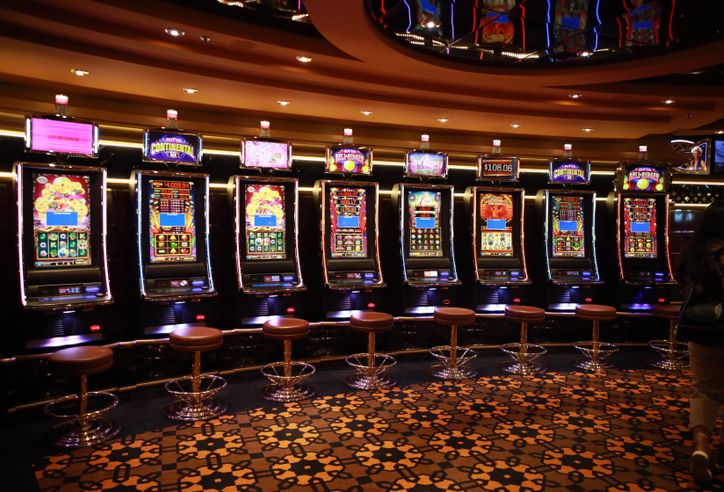
Die Anfänge der deutschen Spielbankenkultur lassen sich ins 17. Jahrhundert datieren, als erste Glücksspielmöglichkeiten in den deutschen Landen entstanden. Diese早期的 Casinos waren exklusive Einrichtungen, die hauptsächlich von der oberen Gesellschaftsschicht besucht wurden. Die erste deutsche Spielbank wurde 1763 in Baden-Baden eröffnet und entwickelte sich schnell zu einem Treffpunkt für europäische Aristokratie und wohlhabende Bürger. Diese早期的 Einrichtungen boten nicht nur Glücksspiele, sondern auch repräsentative Veranstaltungsorte für gesellschaftliche Ereignisse. Die Regulierung zu dieser Zeit war jedoch minimal, was zu einer wilden Entwicklung des Glücksspiels ohne ausreichende Schutzmaßnahmen für Spieler führte.
Mit der Zeit begannen die deutschen Staaten, Glücksspiel stärker zu regulieren und zu besteuern, um die schnell wachsende Branche zu kontrollieren. Im 19. Jahrhundert etablierten sich mehrere berühmte Spielbanken in Städten wie Wiesbaden, Homburg und Bad Kissingen. Diese Institutionen wurden zu Symbolen für Luxus und Unterhaltung und zogen internationale Besucher an. Die Entwicklung von Wettmärkten und Buchmachern begann parallel zu diesen physischen Spielbanken, was zu einer breiteren Vielfalt an Glücksspieloptionen führte, die heutzutage auf modernen Online-Plattformen verfügbar sind. Für viele Deutsche ist es heute ganz normal, von zu Hause aus auf Sportereignisse zu wetten oder Online-Casino-Spiele zu genießen.
Die frühe Geschichte der deutschen Spielbanken
Gründung und erste Entwicklung
Die ersten dokumentierten Glücksspielaktivitäten in Deutschland gehen auf das 17. Jahrhundert zurück, als kleine, private Spielhäuser in adeligen Residenzen entstanden. Diese frühen Formen des Glücksspiels waren streng kontrolliert und ausschließlich für den Adel zugänglich. Die erste offizielle Spielbank Deutschlands wurde 1763 in Baden-Baden eröffnet und legte den Grundstein für die spätere Entwicklung des Glücksspiels im Land. Diese frühen Einrichtungen boten hauptsächlich Kartenspiele und einfache Wetten an und waren vor allem soziale Treffpunkte für dieOberschicht. Die Atmosphäre war exklusiv und die Einsätze waren für die damalige Zeit astronomisch hoch, was sie für die Mehrheit der Bevölkerung unzugänglich machte.
Die Blütezeit im 19. Jahrhundert
Das 19. Jahrhundert gilt als die goldene Ära der deutschen Spielbanken. Nach dem Wiener Kongress 1815 erlebten die Spielbanken in Deutschland einen beispiellosen Aufschwung. Baden-Baden entwickelte sich zum europäischen Glükksspielzentrum und zog Aristokraten, Künstler und wohlhabende Bürger aus ganz Europa an. Die Spielbank in Wiesbaden, die 1810 gegründet wurde, avancierte ebenfalls zu einem renommierten Treffpunkt. Diese Einrichtungen waren nicht nur Orte des Glücksspiels, sondern auch kulturelle und gesellschaftliche Zentren, die einen hohen Status symbolisierten. Die strengen Regeln und der exklusive Chartrakt machten sie zu Inbegriffen von Luxus und Unterhaltung. Gleichzeitig begann die staatliche Regulierung des Glücksspiels, um eine Kontrolle über diese wachsende Branche zu behalten.
Die Entwicklung der deutschen Glücksspielgesetze
Im Laufe der Zeit erkannten die deutschen Staaten das wirtschaftliche Potenzial des Glücksspiels und begannen, umfassende rechtliche Rahmenbedingungen zu schaffen. Das preußische Glücksspielverbot von 1872 markierte einen Wendepunkt und führte zu einer strengen Regulierung des Glücksspiels in Deutschland. In der Folge wurden nur noch wenige, staatlich lizenzierte Spielbanken erlaubt, was zu einer Monopolstellung der öffentlichen Hand führte. Diese Entwicklung prägt das deutsche Glücksspielwesen bis heute und steht im Kontrast zu liberaleren Ansätzen in anderen Ländern. Die Gesetze wurden mehrfach angepasst, um neue Formen des Glücksspiels wie Sportwetten und Online-Casinos zu erfassen und zu regulieren.
Die moderne Ära des deutschen Glücksspiels
Übergang zur digitalen Welt
Mit dem Aufkommen des Internets begann eine neue Phase des deutschen Glücksspiels. Mitte der 1990er Jahre tauchten die ersten Online-Casinos auf, die schnell an Popularität gewannen. Diese digitalen Plattformen ermöglichten es erstmals, Glücksspiel von zu Hause aus zu genießen, was die traditionellen Spielbanken vor neue Herausforderungen stellte. Die folgende Tabelle zeigt die Entwicklung des deutschen Glücksspiels von den Anfängen bis heute:
| Zeitraum | Entwicklung | Besonderheiten |
|---|---|---|
| 17.-18. Jh. | Erste Spielbanken | Exklusiv für Adel, private Spielhäuser |
| 19. Jh. | Blütezeit der Spielbanken | Staatliche Kontrolle, steigende Popularität |
| 1872 | Preußisches Verbot | Strengere Regulierung, Monopolisierung |
| 1990er | Aufkommen von Online-Casinos | Digitale Transformation, globale Verfügbarkeit |
| 2008 | GlüStV | Umfassender Rechtsrahmen für Online-Glücksspiel |
| 2021 | Neuordnung des Glücksspiels | Staatsvertrag, neue Lizenzen für Anbieter |
Heutige Online-Casino-Landschaft
Die heutige deutsche Online-Casino-Szene ist geprägt durch einen gemischten Markt aus staatlich lizenzierten Anbietern und internationalen Plattformen. Nach dem Inkrafttreten des Glücksspielstaatsvertrags 2021 wurden die Rahmenbedingungen für Anbieter verschärft, was zu einer besseren Regulierung und mehr Spieler Protection führte. Viele moderne deutsche Online-Casinos bieten eine breite Palette an Spielen, von klassischen Tischspielen bis hin zu innovativen Spielautomaten und Live-Casino-Erlebnissen. Die Benutzeroberflächen sind intuitiv gestaltet und werden speziell für den deutschen Markt optimiert, um eine optimale User Experience zu gewährleisten. Mobile Gaming gewinnt ebenfalls an Bedeutung, da immer mehr Spieler Casino-Spiele auf ihrem Smartphone oder Tablet genießen möchten.
Sportwetten in Deutschland
Parallel zur Entwicklung der Online-Casinos hat sich auch der Markt für Sportwetten in Deutschland stark verändert. Früher war Wetten auf Sportereignisse hauptsächlich über örtliche Wettbüros oder bei den staatlichen Lotto-Gesellschaften möglich. Heute gibt es eine Vielzahl von Online-Plattformen, die auf Sportwetten spezialisiert sind und eine breite Palette an Märkten anbieten. Fußball, Basketball, Tennis und Eishockey sind besonders beliebte Sportarten für Wetten. Die Wettanbieter konkurrieren mit attraktiven Bonusangeboten und verbesserten Quoten, um neue Kunden zu gewinnen. Die Regulierung dieser Anbieter erfolgt ebenfalls durch den Glücksspielstaatsvertrag, der sicherstellt, dass nur lizenzierte Plattformen legal in Deutschland operieren dürfen.
Kulturelle Bedeutung und sozialer Aspekt
Glücksspiel hat in Deutschland eine lange und vielschichtige kulturelle Bedeutung. Einerseits wird es als Form der Unterhaltung und Freizeitgestaltung wahrgenommen, andererseits gibt es auch kontroverse Debatten über die sozialen Risiken. Viele Deutsche betrachten Glücksspiel als normals Teil ihrer Freizeitaktivitäten, ähnlich wie Kinobesuche oder Restaurants besuchen. Die Spielbanken in Städten wie Baden-Baden oder Homburg sind nicht nur Glücksspieltempel, sondern auch wichtige touristische Attraktionen, die Besucher aus dem In- und Ausland anziehen. Gleichzeitig gibt es in Deutschland eine starke Präventionskultur, die sich um den verantwortungsvollen Umgang mit Glücksspiel bemüht und Maßnahmen gegen Spielsucht fördert.
Häufige Fragen
การเดินทางของเกมคาสิโนออนไลน์: จากเกมโบราณสู่การแข่งขันสล็อตสมัยใหม่สำหรับมือใหม่
ยินดีต้อนรับผู้อ่านสู่โลกของคาสิโนออนไลน์ที่เต็มไปด้วยประวัติศาสตร์และความสนุกสนาน การผจญภัยของเกมพนันไม่ได้เริ่มจากเครื่องสล็อตสีสันสดใสที่เห็นบนหน้าจอมือถือของคุณในวันนี้ แต่มีรากฐานลึกซึ้งตั้งแต่สมัยโบราณหลายพันปี การเดินทางของเกมเหล่านี้ผ่านการเปลี่ยนแปลงของเทคโนโลยี วัฒนธรรม และกฎหมาย ทำให้เรามีสิ่งที่เรียกว่า “เกมคาสิโนออนไลน์” ที่เต็มไปด้วยฟีเจอร์หลากหลายและการแข่งขันระดับโลก
ในยุคดิจิทัลนี้ การเลือก เว็บพนันออนไลน์ ถูกกฎหมาย เป็นขั้นตอนแรกที่สำคัญที่สุดสำหรับผู้เริ่มต้น เว็บไซต์ที่ได้รับใบอนุญาตและตรวจสอบโดยหน่วยงานที่เชื่อถือได้ จะช่วยให้คุณทดลองเล่นโดยไม่ต้องกังวลเรื่องความปลอดภัยของข้อมูลส่วนตัวหรือการฉ้อโกง การใช้บริการจากผู้ให้บริการที่เป็น “เว็บตรงไม่ผ่านเอเย่นต์” ยังช่วยลดค่าใช้จ่ายและเพิ่มความโปร่งใสของระบบการเงิน
บทความนี้ออกแบบมาสำหรับผู้ที่เพิ่งเริ่มสนใจในโลกของเกมคาสิโนออนไลน์ เราจะพาคุณไล่ตามรากฐานของเกมตั้งแต่ยุคโบราณจนถึงการแข่งขันสล็อตแบบทัวร์นาเมนต์ในปัจจุบัน พร้อมเคล็ดลับและกลยุทธ์พื้นฐานที่จะทำให้การเดินทางของคุณเต็มไปด้วยความมั่นใจและโอกาสชนะรางวัลใหญ่
เกมโบราณที่เป็นบรรพบุรุษของคาสิโน
การเสี่ยงโชคมีรากฐานมาจากกิจกรรมที่มนุษย์ทำกันตั้งแต่ยุคหิน การโยนลูกเต๋าในอียิปต์และเมโสโปเตเมียเป็นตัวอย่างแรกของการใช้เครื่องมือสุ่มเพื่อทดสอบโชคชะตา นักบวชอียิปต์ใช้ลูกเต๋าเพื่อคาดการณ์ผลของการเกษตรและการต่อสู้ ในเมโสโปเตเมีย ผู้คนเล่น “ทาเบอร์” ซึ่งเป็นเกมลูกเต๋าแบบหลายด้านที่บันทึกไว้บนแท่งดินเผา
ในจีนและอินเดีย การ์ดและเกมกระดานเริ่มพัฒนาเป็นรูปแบบที่ซับซ้อนกว่า ไพ่ “ซูโฮ” ของจีนและ “กานท์” ของอินเดียเป็นต้นแบบของไพ่ป๊อกเด้งและบาคาร่า เกมกระดานเช่น “เซลติก” และ “ชัตเทิล” ใช้การวางเดิมพันบนผลของการเคลื่อนที่ของชิ้นส่วนบนกระดาน ทำให้ผู้เล่นต้องคำนวณความเสี่ยงและโอกาสอย่างรอบคอบ
ความเชื่อและพิธีกรรมยังคงเชื่อมโยงกับการเสี่ยงโชคอย่างใกล้ชิด พิธีบูชาที่อียิปต์อาจรวมถึงการโยนลูกเต๋าเพื่อขอพรจากเทพเจ้า ส่วนในอินเดีย การทำนายโดยใช้ไพ่ “ทารอต” มีบทบาทสำคัญในงานศพและการตัดสินใจสำคัญของราชวงศ์
ตัวอย่างเกมโบราณ
- ลูกเต๋าไพโร (Egyptian dice) – ใช้ 4 ด้าน, เล่นเพื่อคาดการณ์ผลการเก็บเกี่ยว
- ไพ่ “ซูโฮ” (Chinese Suho) – 40 ใบ, ใช้ในเกม “ไพ่นกกระจอก” ของราชวงศ์ไถ่
- “กานท์” (Indian Ganj) – การ์ด 52 ใบ, ต้นกำเนิดของบาคาร่า
การก่อตั้งคาสิโนแรกในยุโรป
ยุคศตวรรษที่ 17 เริ่มเห็นการรวมตัวของเกมพนันจากหลายประเทศเข้าด้วยกันในเมืองลาสเวกัสยุคแรกของยุโรป แม้ว่า “ลาสเวกัส” จะเป็นชื่อที่คุ้นเคยกับอเมริกา แต่ในยุโรปเมืองเวนิสและปารีสก็เป็นศูนย์กลางของการเล่นเกมที่ได้รับการบันทึกไว้ในเอกสารประวัติศาสตร์ การนำเข้าของเกมจากอิตาลี เช่น “บาโก” และจากฝรั่งเศส เช่น “รูเล็ต” ทำให้คาสิโนเริ่มมีการกำหนดกฎกติกาอย่างเป็นระบบ
กฎของบาคาร่าและรูเล็ตถูกพัฒนาให้มีความชัดเจนเพื่อป้องกันการโกงและเพิ่มความเป็นธรรม การจัดการเงินเดิมพันเริ่มใช้ระบบ “บัตรเครดิต” ของคาสิโนที่ออกให้ผู้เล่นบันทึกการวางเดิมพันและชำระเงินในภายหลัง การใช้บัตรเหล่านี้ทำให้การทำธุรกรรมภายในคาสิโนเป็นไปอย่างรวดเร็วและปลอดภัย
นอกจากนี้ การเปิดตัว “ชิปคาสิโน” เป็นการเปลี่ยนแปลงสำคัญ ชิปทำหน้าที่เป็นสกุลเงินภายในสถานที่เล่น ช่วยลดการพกพาเงินสดและทำให้การคำนวณผลชนะเป็นเรื่องง่ายกว่าเดิม การผสมผสานระหว่างเทคโนโลยีการพิมพ์ชิปและการออกแบบกราฟิกทำให้คาสิโนยุโรปในศตวรรษที่ 18 มีบรรยากาศหรูหราและเป็นที่ดึงดูดนักพนันจากทั่วโลก
การเปลี่ยนแปลงสู่เกมดิจิทัลในทศวรรษ 1970‑1990
ทศวรรษ 1970 เป็นช่วงเวลาที่เทคโนโลยีไมโครชิปเริ่มเข้ามามีบทบาทในเครื่องสล็อตอิเล็กทรอนิกส์แรกของโลก เครื่องสล็อต “Money Honey” ที่ผลิตโดยบริษัท IGT ใช้ไมโครชิปเพื่อควบคุมการสุ่มผลและแสดงผลบนหน้าจอ LED ทำให้เกมมีความยุติธรรมมากขึ้นและสามารถตรวจสอบได้โดยผู้ตรวจสอบอิสระ
ในช่วงเดียวกัน บาคาร่าออนไลน์และโป๊กเกอร์บนคอมพิวเตอร์เริ่มปรากฏบนเครื่องคอมพิวเตอร์ส่วนบุคคล (PC) ที่มีระบบปฏิบัติการ MS-DOS และ Windows 3.1 ผู้พัฒนาซอฟต์แวร์ใช้สูตรคณิตศาสตร์เพื่อคำนวณอัตราการจ่าย (RTP) และความแปรปรวน (volatility) ของเกม ทำให้ผู้เล่นสามารถเข้าใจความเสี่ยงได้ชัดเจนยิ่งขึ้น ตัวอย่างเช่น “PokerStars Classic” ที่เปิดให้ผู้เล่นเดิมพันแบบออนไลน์โดยใช้ระบบ “random number generator” (RNG) เพื่อสร้างผลลัพธ์ที่ยุติธรรม
การนำเทคโนโลยีอินเทอร์เน็ตมาประยุกต์ใช้ในช่วงปลายทศวรรษ 1990 ทำให้เกมคาสิโนดิจิทัลสามารถเชื่อมต่อกับผู้เล่นทั่วโลกได้แบบเรียลไทม์ การเปิดตัว “เว็บคาสิโน” ที่ให้บริการเกมแบบดาวน์โหลดหรือเล่นผ่านเว็บเบราว์เซอร์ทำให้การเข้าถึงเกมคาสิโนกลายเป็นเรื่องง่ายและสะดวก
การเกิดขึ้นของคาสิโนออนไลน์รุ่นแรก
เว็บไซต์แรกที่ให้บริการเกมคาสิโนผ่านอินเทอร์เน็ตเปิดตัวในปี 1996 โดยใช้เทคโนโลยี “Flash” เพื่อแสดงกราฟิกบนหน้าเว็บ ผู้เล่นสามารถสมัครสมาชิกและฝากเงินผ่านระบบ “e‑wallet” ที่ใช้เทคโนโลยีการเข้ารหัส 128‑bit SSL ทำให้ข้อมูลส่วนตัวและการทำธุรกรรมปลอดภัยระดับสูง
ระบบการชำระเงินอิเล็กทรอนิกส์ในช่วงแรกยังค่อนข้างจำกัด แต่การใช้ “e‑check” และ “cryptocurrency” รุ่นแรกอย่าง Bitcoin (เปิดตัวในปี 2009) ช่วยให้การฝาก-ถอนเป็นไปอย่างรวดเร็วและไม่มีค่าธรรมเนียมสูง การตรวจสอบความปลอดภัยทำผ่านการตรวจสอบ “certificate authority” ที่ออกให้เว็บไซต์คาสิโน ทำให้ผู้เล่นสามารถเชื่อมั่นในความเป็นธรรมของเกม
ตารางเปรียบเทียบระบบการชำระเงิน (1996‑2005)
| ปี | วิธีการชำระเงิน | เวลาการทำธุรกรรม | ค่าธรรมเนียม | ความปลอดภัย |
|---|---|---|---|---|
| 1996 | e‑check | 2‑3 วันทำการ | ต่ำ | SSL 128‑bit |
| 1999 | บัตรเครดิต (Visa/MC) | 1‑2 วันทำการ | ปานกลาง | 3‑D Secure |
| 2003 | การโอนธนาคารออนไลน์ | 1‑2 วันทำการ | ต่ำ | การตรวจสอบ OTP |
| 2009 | Bitcoin | ทันที | ต่ำมาก | การเข้ารหัสแบบ Public/Private Key |
การพัฒนาสล็อตวิดีโอและธีมหลากหลาย
สล็อตคลาสสิก 3 รีลที่มีสัญลักษณ์ผลไม้และ “BAR” ค่อยๆ พัฒนาเป็นสล็อตวิดีโอ 5 รีลที่มีกราฟิก 3 มิติและเอฟเฟกต์เสียงที่สมจริง ตัวอย่างเกม “Gonzo’s Quest” ของ NetEnt ใช้เทคโนโลยี “HTML5” ทำให้เกมสามารถเล่นได้บนมือถือและแท็บเล็ตโดยไม่มีการดาวน์โหลดแอปพลิเคชัน
การใช้ธีมหลากหลายทำให้ผู้เล่นรู้สึกเชื่อมต่อกับเรื่องราวของเกม เช่น “Book of Ra” ที่อ้างอิงตำนานอียิปต์ หรือ “Starburst” ที่ให้ความรู้สึกของอวกาศ นอกจากนี้ การเพิ่ม “ฟีเจอร์พิเศษ” เช่น ฟรีสปิน, ตัวคูณ (multiplier), และ “เกมโบนัส” ที่มีมินิเกมแบบเลือกไอเท็ม ทำให้โอกาสชนะและรางวัลแจ็คพอตเพิ่มขึ้นอย่างมีนัยสำคัญ
หลายเกมยังใช้ระบบ “payline” ที่ปรับได้หลายเส้น (จาก 1 เส้นถึง 100 เส้น) ทำให้ผู้เล่นสามารถกำหนดกลยุทธ์การเดิมพันตามความเสี่ยงที่ต้องการ ตัวอย่างเช่น “Mega Fortune” ของ Pragmatic Play มี 25 payline และ RTP 96.6% พร้อมแจ็คพอตโปรเกรสซีฟที่สามารถมูลค่าหลายล้านบาท
ความสำคัญของการจัดการแข่งขัน (Tournaments) ในคาสิโนออนไลน์
การแข่งขันสล็อตและโป๊กเกอร์ออนไลน์กลายเป็นส่วนสำคัญของการดึงดูดผู้เล่นใหม่และรักษาผู้เล่นเดิม การจัดทัวร์นาเมนต์ทำให้ผู้เล่นได้เปรียบเทียบสกิลและโชคของตนกับผู้เล่นหลายพันคนทั่วโลก ระบบจัดอันดับ (leaderboard) แสดงผลคะแนนแบบเรียลไทม์ ทำให้เกิดความตื่นเต้นและความรู้สึกของชุมชน
รางวัลที่มอบให้มักมีหลายระดับ ตั้งแต่โบนัสเงินสด, ฟรีสปิน, ถึงทัวร์นาเมนต์ระดับ “Grand” ที่มีรางวัลหลักล้านบาท การให้ “บัตรกำนัล” หรือ “เครดิตคาสิโน” เป็นของรางวัลช่วยกระตุ้นให้ผู้เล่นเข้าร่วมบ่อยครั้ง นอกจากนี้ การสื่อสารผ่านแชทห้องและฟอรั่มทำให้ผู้เล่นสามารถแลกเปลี่ยนกลยุทธ์และประสบการณ์ได้แบบเรียลไทม์
การจัดการแข่งขันยังเป็นเครื่องมือการตลาดที่มีประสิทธิภาพ เว็บไซต์คาสิโนหลายแห่งใช้ “โปรโมชั่นพิเศษ” เช่น “สมัครสมาชิกใหม่รับ 100 ฟรีสปินในทัวร์นาเมนต์แรก” เพื่อดึงดูดผู้เล่นใหม่และสร้างฐานลูกค้าที่ภักดี
วิธีเข้าร่วมทัวร์นาเมนต์สำหรับมือใหม่
- สมัครสมาชิก – เข้าไปที่เว็บคาสิโนที่เป็น “เว็บตรงไม่ผ่านเอเย่นต์” กรอกข้อมูลส่วนตัวและทำการยืนยันอีเมลหรือหมายเลขโทรศัพท์
- ยืนยันตัวตน – ส่งเอกสาร KYC (บัตรประชาชน, ใบอนุญาตขับขี่) เพื่อยืนยันตัวตนและป้องกันการฟอกเงิน
- ฝากเงิน – ใช้วิธีการชำระเงินที่ปลอดภัย เช่น e‑wallet หรือบัตรเครดิต ตรวจสอบว่ามีขั้นต่ำตามเงื่อนไขของทัวร์นาเมนต์
- เลือกทัวร์นาเมนต์ – ไปที่เมนู “Tournament” เลือกประเภท (สล็อต, บาคาร่า, หรือโป๊กเกอร์) ตรวจสอบกฎ, เวลาการเริ่ม, และรางวัลที่จัดให้
เคล็ดลับการจัดการงบประมาณ
- กำหนด “ bankroll ” ไม่เกิน 5% ของยอดเงินทั้งหมดสำหรับทัวร์นาเมนต์หนึ่งครั้ง
- ใช้ “wagering limit” ที่เหมาะสมกับความเสี่ยง (low volatility สำหรับผู้เริ่มต้น, high volatility หากต้องการแจ็คพอตใหญ่)
- ตรวจสอบ “minimum bet” ของเกมเพื่อไม่ให้ใช้เงินเกินกำหนด
รายการตรวจสอบก่อนเข้าร่วมทัวร์นาเมนต์
- ตรวจสอบว่าเกมมี RTP ≥ 95%
- อ่านกฎของทัวร์นาเมนต์ (จำนวนรอบ, เวลาจบ, วิธีการคำนวณคะแนน)
- เช็คว่าเว็บไซต์มีใบอนุญาตจากหน่วยงานที่ได้รับการรับรอง
กลยุทธ์พื้นฐานสำหรับการชนะในทัวร์นาเมนต์สล็อต
- เลือกเกมที่มี RTP สูง – เกมเช่น “Blood Suckers” (RTP 98%) หรือ “Jackpot 6000” (RTP 98.9%) ให้โอกาสคืนเงินต่อการเดิมพันสูงกว่าเกมที่มี RTP 92%
- ใช้ฟีเจอร์พิเศษอย่างเต็มที่ – ฟรีสปินและโบนัสเกมมักมีตัวคูณ (multiplier) ที่เพิ่มมูลค่ารางวัลอย่างมาก การเก็บสัญลักษณ์ “scatter” ให้ครบตามที่กำหนดจะเปิดใช้งานฟีเจอร์เหล่านี้ได้เร็วขึ้น
- วิเคราะห์สถิติระหว่างรอบ – ดู “hit frequency” ของเกม (จำนวนครั้งที่ชนะต่อ 100 สปิน) หากเกมมี hit frequency สูงแต่ค่า payout ต่ำ ควรปรับเดิมพันให้ต่ำเพื่อยืดอายุการเล่น
ตัวอย่างการปรับเดิมพันในทัวร์นาเมนต์
- เริ่มด้วย bet 0.10 บาทต่อเส้น (10 เส้น) เพื่อรักษา bankroll
- หากได้รับฟรีสปินหรือโบนัสเพิ่ม bet เป็น 0.20 บาทต่อเส้นเพื่อใช้ประโยชน์จาก multiplier
- เมื่อเข้าสู่รอบสุดท้ายของทัวร์นาเมนต์ ควรเพิ่ม bet ไปที่ 0.50 บาทต่อเส้นเพื่อทำคะแนนให้เร็วขึ้น
ผลกระทบของเทคโนโลยีใหม่ต่อการแข่งขันคาสิโนออนไลน์
AI และแมชชีนเลิร์นนิงกำลังเข้ามามีบทบาทในการสร้างเกมที่มีความสมดุลระหว่างความสนุกและความยุติธรรม ระบบ AI สามารถปรับ “volatility” ของเกมตามพฤติกรรมผู้เล่น ทำให้เกมไม่อิ่มตัวหรือยากเกินไป นอกจากนี้ AI ยังช่วยตรวจสอบพฤติกรรมการเล่นที่อาจเป็นการฟอกเงินหรือการฉ้อโกงแบบเรียลไทม์
เทคโนโลยี VR และ AR กำลังทำให้ทัวร์นาเมนต์สล็อตเป็นประสบการณ์แบบ “immersive” ผู้เล่นสามารถสวมแว่น VR เพื่อเดินเข้าสู่ห้องสล็อตเสมือนจริง มีการโต้ตอบกับผู้เล่นคนอื่นแบบ 3 มิติ ทำให้ความรู้สึกของการแข่งขันเพิ่มขึ้นอย่างมาก
บล็อกเชนเป็นอีกหนึ่งเทคโนโลยีที่เพิ่มความโปร่งใสให้กับคาสิโนออนไลน์ การใช้สัญญาอัจฉริยะ (smart contract) ทำให้การจ่ายรางวัลและการตรวจสอบ RNG สามารถทำได้โดยไม่มีคนกลาง ผู้เล่นสามารถตรวจสอบ “hash” ของผลลัพธ์เพื่อยืนยันความเป็นธรรมโดยตรง
แนวโน้มอนาคตของเกมคาสิโนและทัวร์นาเมนต์สำหรับผู้เริ่มต้น
การผสานเกมคาสิโนกับ e‑sports กำลังเป็นกระแสใหม่ “Hybrid Games” จะรวมการวางเดิมพันในเกม e‑sports กับฟีเจอร์สล็อต ตัวอย่างเช่น “eSports Slot” ที่ให้ผู้เล่นเดิมพันผลการแข่งขันเกม League of Legends แล้วรับรางวัลเป็นฟรีสปินเมื่อทีมชนะ
การปรับแต่งส่วนตัว (personalization) จะทำให้แต่ละผู้เล่นได้รับข้อเสนอและเกมที่ตรงกับสไตล์การเล่นของตนเอง ระบบ AI วิเคราะห์ประวัติการวางเดิมพันและเสนอ “bonus” ที่เหมาะสม เช่น เครดิตฟรีสำหรับเกมที่มี RTP สูงสุด
สำหรับผู้ที่ต้องการก้าวสู่ระดับมืออาชีพ การศึกษา “การจัดการ bankroll” อย่างละเอียด การติดตามข่าวสารจากแหล่งข้อมูลเช่นเว็บไซต์ Chiangrai United ที่ให้ข้อมูลเกี่ยวกับเทคโนโลยีและแนวโน้มใหม่ ๆ ในอุตสาหกรรมคาสิโน จะช่วยให้คุณเตรียมตัวได้ดียิ่งขึ้น อย่าลืมตรวจสอบเงื่อนไขการสมัครและโปรโมชั่นที่อาจช่วยเพิ่มทุนเริ่มต้นของคุณ
สรุป
การเดินทางของเกมคาสิโนจากการโยนลูกเต๋าในอียิปต์โบราณจนถึงการแข่งขันสล็อตระดับโลกในยุคดิจิทัล แสดงให้เห็นถึงการพัฒนาอย่างต่อเนื่องของเทคโนโลยีและกฎระเบียบ ผู้เริ่มต้นควรเริ่มต้นด้วยการเลือก เว็บพนันออนไลน์ ที่ได้รับการรับรองและปลอดภัย เพื่อให้ได้ประสบการณ์ที่ยุติธรรมและไร้ความกังวล การเข้าร่วมทัวร์นาเมนต์ไม่เพียงเป็นการทดสอบโชคและทักษะ แต่ยังเป็นช่องทางในการเรียนรู้กลยุทธ์ การจัดการเงิน และการสร้างเครือข่ายกับผู้เล่นคนอื่น ๆ
ขอเชิญคุณลองสำรวจโลกของการแข่งขันสล็อตผ่านเว็บไซต์ที่เชื่อถือได้และเข้าร่วมทัวร์นาเมนต์เพื่อสัมผัสความตื่นเต้นของการชิงรางวัลใหญ่ พร้อมใช้แนวทางและเคล็ดลับที่ได้แนะนำในบทความนี้เพื่อเพิ่มโอกาสในการชนะและทำให้การเดินทางของคุณในโลกคาสิโนออนไลน์เป็นเรื่องที่คุ้มค่าและสนุกสนานอย่างแท้จริง.
Irwin-casino-bonus Net: Woran man ein seriöses Online Casino erkennt

Die Grundlagen des Glücksspielstaatsvertrags 2021
Der Glücksspielstaatsvertrag (GlüStV) 2021 ist der rechtliche Rahmen, der das gesamte deutsche Glückswesen regelt. Nachdem der alte Vertrag 2020 ausgelaufen war, haben die Bundesländer einen neuen Vertrag ausgehandelt, der strengere Regeln für Online-Casinos und Sportwetten vorsieht. Ein zentrales Anliegen dieses Vertrags ist der Spielerschutz – Minderjährige müssen wirksam vom Glücksspiel ausgeschlossen werden, und es müssen Maßnahmen gegen Spielsucht ergriffen werden. Gleichzeitig will der Staat mehr Kontrolle über den Markt erlangen und sicherstellen, dass nur lizenzierte Anbieter legal agieren dürfen.
Der Vertrag schafft eine Rechtsgrundlage für die Lizenzierung von Online-Casinos und Buchmachern in Deutschland. Bisher agierten viele Anbieter aus dem Ausland, ohne eine deutsche Lizenz zu besitzen. Der neue GlüStV ändert dies, indem er einheitliche Lizenzbedingungen für alle Bundesländer festlegt. Ein Blick auf die Nutzungsbedingungen bei irwin-casino-bonus.net lohnt sich vor der ersten Einzahlung. Dies führt zu mehr Wettbewerb, gleichzeitig aber auch zu höheren Standards für die Anbieter. Spieler können nun besser erkennen, welche Plattformen legal und sicher sind, und welche potenziellen Risiken mit dem Glücksspiel verbunden sind.
Lizenzierung und Regulierung von Online-Casinos
Die Lizenzierung von Online-Casinos ist eines der Kernanliegen des neuen Glücksspielstaatsvertrags. Nur Anbieter mit einer gültigen deutschen Lizenz dürfen ihre Dienste legal in Deutschland anbieten. Dies schafft eine geregelte Umgebung, in der Spieler vor Betrug und unfairer Praxis geschützt sind. Die Lizenzierung umfasst strenge Anforderungen an die Technik, den Spielerschutz und die finanzielle Stabilität der Anbieter. Unternehmen müssen nachweisen, dass sie über ausreichend Kapital verfügen und verantwortungsvolle Geschäftspraktiken umsetzen.
Die Regulierung betrifft auch die Spiele selbst. Online-Casinos müssen sicherstellen, dass ihre Spiele fair sind und zufällige Ergebnisse liefern. Dies wird durch unabhängige Prüfungen und Zertifizierungen sichergestellt. Zudem müssen die Anbieter Informationen über die Auszahlungsquoten der Spiele transparent machen. Spieler können so besser einschätzen, welche Gewinnchancen sie haben und ob ein Spiel fair ist. Diese Transparenz ist ein wichtiger Schritt, um das Vertrauen der Spieler in das Online-Glücksspiel zu stärken.
Regelungen für Sportwetten und Wettanbieter
Der Glücksspielstaatsvertrag 2021 schafft ebenfalls klare Regeln für Sportwetten und Wettanbieter. In Deutschland können nun bis zu 20 Lizenzen für Sportwetten vergeben werden. Anbieter müssen strenge Kriterien erfüllen, um eine Lizenz zu erhalten. Dazu gehören unter anderem ein umfassender Spielerschutz, verantwortungsvolles Marketing und der Ausschluss von Minderjährigen. Die Wettanbieter müssen sicherstellen, dass ihre Kunden alt genug sind, um zu wetten, und müssen Tools zur Spielselbstkontrolle anbieten.
Eine wichtige Neuerung ist die Obergrenze für Wetten. Der GlüStV begrenzt den maximalen Einsatz pro Wette auf 100 Euro und den maximalen Verlust pro Stunde auf 1.000 Euro. Diese Maßnahmen sollen verhindern, dass Spieler zu hohe Verluste erleiden und in eine Spielsucht geraten. Zudem müssen die Anbieter regelmäßige Berichte über ihre Compliance-Maßnahmen einreichen und können bei Verstößen gegen die Regeln mit hohen Bußgeldern oder sogar dem Lizenzentzug bestraft werden. Diese strengen Regeln sollen das Sportwetten in Deutschland sicherer und verantwortungsvoller gestalten.
Spielerschutz im Fokus: Maßnahmen gegen Spielsucht
Ein Hauptanliegen des Glücksspielstaatsvertrags ist der Schutz vor Spielsucht. Der Vertrag sieht vor, dass alle Anbieter umfassende Maßnahmen zur Prävention und Bekämpfung von Glücksspielsucht umsetzen müssen. Dazu gehören unter anderem Selbsttests,Reality Checks und die Möglichkeit, sich selbst für eine bestimmte Zeit oder dauerhaft vom Glücksspiel auszuschließen. Anbieter müssen sicherstellen, dass diese Tools einfach zugänglich sind und effektiv genutzt werden können.
Der GlüStV verpflichtet die Anbieter, Kunden mit verdächtigem Spielverhalten frühzeitig zu identifizieren und geeignete Maßnahmen zu ergreifen. Dies kann die Anpassung von Einzahlungsgrenzen oder die Erstellung von Verhaltensplänen umfassen. Zudem müssen die Anbieter ihren Kunden kostenlose Beratungsangebote zur Spielsuchtbekämpfung zur Verfügung stellen. Diese Maßnahmen sollen sicherstellen, dass Glücksspiel eine unterhaltsame Aktivität bleibt und nicht zu einem problematisischen Verhalten führt. Spieler sollten sich bewusst sein, dass sie jederzeit Hilfe suchen können, wenn sie das Gefühl haben, die Kontrolle über ihr Spielverhalten zu verlieren.
Technische Maßnahmen zur Jugendschutz
Der Jugendschutz ist ein zentraler Aspekt des Glücksspielstaatsvertrags. Anbieter müssen sicherstellen, dass Minderjährige keinen Zugang zu Glücksspielen haben. Dies wird durch technische Maßnahmen wie Altersverifikation und Zugriffskontrollen sichergestellt. Neue Kunden müssen ihre Identität und ihr Alter überprüfen, bevor sie ein Konto eröffnen können. Bei Kunden, deren Alter bereits überprüft wurde, müssen regelmäßige Kontrollen stattfinden, um sicherzustellen, dass es keine Veränderungen gibt.
Zusätzlich müssen die Anbieter sicherstellen, dass ihre Werbung nicht gezielt an Minderjährige gerichtet ist. Dies betrifft sowohl Online-Werbung als auch Marketing in sozialen Medien. Der GlüStV verbietet irreführende Werbung, die den Eindruck erweckt, dass Glücksspiel zu reichen machen kann oder ein sicherer Weg ist, schnell Geld zu verdienen. Anbieter müssen stattdessen verantwortungsvolles Marketing betreiben, das die potenziellen Risiken des Glücksspiels klar kommuniziert. Diese Maßnahmen sollen verhindern, dass bereits junge Menschen in die Falle der Spielsucht geraten.
Verantwortungsvolles Spielen und Selbstkontrolle
Verantwortungsvolles Spielen ist ein weiterer wichtiger Pfeiler des neuen Glücksspielstaatsvertrags. Anbieter müssen ihren Kunden Werkzeuge zur Selbstkontrolle zur Verfügung stellen. Dazu gehören die Möglichkeit, Einzahlungslimits festzulegen, Einzahlungs- und Verlustgrenzen zu setzen und sich für eine bestimmte Zeit oder dauerhaft vom Glücksspiel auszuschließen. Diese Tools sollen es den Spielern erleichtern, ihr Spielverhalten kontrollieren und problematisches Spielen zu vermeiden.
Der Vertrag sieht auch vor, dass die Anbieter ihre Kunden über die Risiken des Glücksspiels aufklären müssen. Dies kann durch informative Inhalte auf der Website, pop-up-Warnungen oder regelmäßige Erinnerungen geschehen. Anbieter müssen sicherstellen, dass ihre Kunden die Auswirkungen von Glücksspiel verstehen und wissen, wo sie Hilfe finden können, wenn sie Probleme haben. Diese Maßnahmen sollen eine Kultur des verantwortungsvollen Spielens fördern und sicherstellen, dass Glücksspiel eine Form der Unterhaltung bleibt und nicht zu einer Sucht wird.
Transparenz und Fairness bei Online-Casinos
Transparenz ist ein weiterer wichtiger Aspekt des Glücksspielstaatsvertrags. Anbieter müssen sicherstellen, dass ihre Kunden alle wichtigen Informationen über ihre Dienste erhalten. Dies umfasst Details über die Spiele, die Auszahlungsquoten, die Bonusbedingungen und die Regeln. Spieler sollten jederzeit wissen, was sie erwarten können und welche Rechte sie haben. Diese Transparenz schafft Vertrauen zwischen den Anbietern und den Spielern und stellt sicher, dass alle fair behandelt werden.
Der GlüStV verpflichtet die Anbieter, ihre Spiele regelmäßig auf Fairness und Zufälligkeit überprüfen zu lassen. Unabhängige Prüfstellen müssen sicherstellen, dass die Spiele manipulationsfrei sind und die angegebenen Auszahlungsquoten korrekt sind. Diese Prüfberichte müssen öffentlich zugänglich sein, damit Spieler die Ergebnisse einsehen können. Zudem müssen die Anbieter klare Regeln für Einzahlungen, Auszahlungen und Boni haben. Dies verhindert versteckte Gebühren oder unfairer Bedingungen und stellt sicher, dass die Spieler fair behandelt werden.
Boni und Werbemaßnahmen im Fokus
Boni und Werbemaßnahmen sind ein wichtiger Teil des Online-Glücksspiels, aber sie können auch problematisch sein, wenn sie nicht verantwortungsvoll gestaltet werden. Der Glücksspielstaatsvertrag 2021 schafft klare Regeln für Boni und Werbung. Anbieter dürfen keine Boni anbieten, die unrealistische Erwartungen wecken oder zu übermäßigem Spielen anreizen. Bonusbedingungen
Woran man ein seriöses Online Casino erkennt
| Kriterium | Warum es zählt |
|---|---|
| Lizenz | Legale Angebote stehen unter deutscher oder EU-Aufsicht |
| Auszahlungsquote | Faire Slots veröffentlichen ihre RTP-Werte |
| Bonusbedingungen | Umsatzbedingungen zählen mehr als der Bonusbetrag |
| Auszahlungsdauer | Schnelle Auszahlungen zeigen finanzielle Stabilität |
| Kundendienst | Deutscher Support hilft bei Problemen sofort weiter |
Häufige Fragen
Was bedeutet die Umsatzbedingung bei einem Bonus?
Der Bonusbetrag muss mehrfach im Casino eingesetzt werden, bevor Gewinne zur Auszahlung freigegeben werden.
Was tun, wenn Spielen zum Problem wird?
Sofortige Einzahlungslimits oder eine Spielsperre über OASIS setzen und Beratungsstellen wie die BZgA nutzen.
Sind Gewinne aus dem Online Casino steuerfrei?
In Deutschland bleiben Glücksspielgewinne für private Spieler grundsätzlich steuerfrei, weil auf Einsätze bereits Abgaben erhoben werden.
Cashback dei casinò online: come funziona il rimborso su ogni perdita e perché è il trend del 2026
Negli ultimi sei anni il cashback è passato da semplice promozione sperimentale a elemento cardine delle offerte dei casinò online. Gli operatori hanno capito che un rimborso percentuale sulle perdite non solo attira nuovi giocatori, ma soprattutto incentiva la permanenza di chi già scommette con soldi veri. A differenza dei tradizionali bonus di benvenuto, che richiedono spesso un grosso deposito e condizioni di scommessa complesse, il cashback restituisce una parte delle perdite già subite, rendendo la promozione più trasparente e percepita come “giusta”.
Questa trasformazione è stata alimentata dall’adozione di sistemi di analytics avanzati: gli algoritmi monitorano il comportamento di gioco in tempo reale, identificano i momenti di maggiore volatilità e propongono rimborsi personalizzati. Il risultato è una proposta che si adatta al profilo del giocatore, dal principiante che predilige giochi da tavolo a chi spende ore su slot online ad alta volatilità.
In questo panorama, https://www.inclusivegrowth.eu/ si propone come strumento pratico per confrontare rapidamente percentuali di cashback, limiti di rimborso e requisiti di scommessa, aiutando i lettori a scegliere l’offerta più adatta alle proprie esigenze.
L’evoluzione storica del cashback nei casinò online
Il concetto di cashback nasce nei primi anni 2010, quando alcuni operatori americani sperimentarono il “loss rebate” come incentivo per i giocatori high‑roller. Inizialmente la percentuale era fissata al 10 % delle perdite mensili, con limiti di €500 e nessuna distinzione tra giochi. Con l’avvento delle licenze di Malta e della regolamentazione più flessibile dell’UE, il modello si è diffuso in Europa, ma rimaneva limitato a pochi mercati.
Nel 2017 la direttiva europea sul gioco responsabile ha introdotto obblighi di trasparenza per le promozioni, spingendo gli operatori a rendere più chiari i termini di cashback. La successiva revisione normativa del 2020 ha richiesto la segnalazione dei tassi di rimborso nelle sezioni di “Termini e Condizioni”, rendendo più semplice per i giocatori confrontare le offerte.
Parallelamente, l’esplosione dei big data ha permesso di tracciare ogni scommessa, calcolare perdite nette e automatizzare il pagamento dei rimborsi entro 24 ore. Le piattaforme hanno iniziato a utilizzare algoritmi di clustering per segmentare gli utenti e offrire cashback differenziati: i giocatori che preferiscono slot online ricevono percentuali più alte rispetto a chi gioca solo a giochi da tavolo.
Nel 2023 sono comparsi i primi cashback “progressivi”, legati a obiettivi di spesa settimanale: più il giocatore scommette, maggiore è la percentuale di rimborso, fino a un tetto del 15 %. L’anno successivo, grazie all’integrazione di AI, le offerte sono diventate dinamiche, variando giorno per giorno in base al profilo di rischio del cliente.
Arrivati al 2026, i casinò online propongono cashback multicanale, combinando rimborso su perdita, crediti bonus e token blockchain, garantendo così sia la velocità di pagamento sia la tracciabilità su registro distribuito.
Meccaniche di calcolo: percentuali, limiti e periodi di validità
Il calcolo più comune prevede una percentuale fissa applicata alle perdite nette di un determinato periodo. Ad esempio, “5 % di perdita settimanale, max €200”. In pratica, se un giocatore perde €1.200 in una settimana, riceverà €60, ma il rimborso sarà limitato a €200 se la perdita supera €4.000.
Il cashback “fisso” mantiene la stessa percentuale per tutta la durata del programma, indipendentemente dal volume di gioco. Il “progressivo”, invece, aumenta gradualmente: 3 % per perdite fino a €500, 5 % tra €500 e €1.500, e 8 % oltre €1.500, con un tetto mensile di €300. Questo modello premia i giocatori più attivi, ma richiede una gestione più attenta del bankroll.
I cicli di calcolo influenzano la percezione del valore. Un cashback giornaliero (es. 1 % delle perdite del giorno, max €20) crea un feedback immediato, rinforzando la sensazione di “recupero” dopo una sconfitta. Il ciclo settimanale è più comune perché consente di aggregare più dati e ridurre l’impatto di fluttuazioni casuali. Il mensile, infine, è ideale per giocatori a medio‑lungo termine, ma può apparire meno attraente per chi cerca gratificazioni rapide.
Alcuni casinò introducono soglie di attivazione: il cashback si sblocca solo se la perdita supera un minimo, ad esempio €50. Altri offrono “cashback su giochi selezionati”, limitando la percentuale a slot online mentre escludono giochi da tavolo o scommesse sportive.
Infine, i requisiti di scommessa (wagering) variano: alcuni operatori richiedono di giocare il valore del cashback 5 volte prima del prelievo, altri non impongono alcuna condizione, rendendo l’offerta più “cash”.
Vantaggi per i giocatori: riduzione del rischio e aumento della longevità
Il cashback agisce come una rete di sicurezza psicologica, attenuando l’effetto di una serie di perdite consecutive. Quando un giocatore riceve un rimborso del 5 % su una perdita di €500, recupera €25, che possono essere reinvestiti senza dover ricorrere a ulteriori depositi. Questo meccanismo riduce la pressione di “recuperare” e diminuisce il rischio di comportamenti compulsivi.
Dal punto di vista psicologico, il rimborso genera un effetto “feel‑good”: la percezione di aver ricevuto qualcosa di gratuito rinforza l’associazione positiva con il casinò. Studi condotti nel 2025‑2026 mostrano che i giocatori che usufruiscono regolarmente di cashback tendono a prolungare la sessione media di gioco del 12 % rispetto a chi non ha accesso a tali promozioni.
Inoltre, il cashback favorisce la diversificazione del tempo di gioco. I giocatori che ricevono rimborsi su slot online spesso sperimentano anche giochi da tavolo per sfruttare le offerte “cashback su giochi selezionati”. Questo aumenta la varietà dell’esperienza e riduce la monotonia, fattore chiave per mantenere un approccio responsabile al gioco.
Infine, la trasparenza delle condizioni (percentuale, limiti, ciclo) permette ai giocatori di pianificare meglio il proprio bankroll, impostando obiettivi di perdita accettabili e sapendo in anticipo quale percentuale potrà essere restituita.
Benefici per gli operatori: fidelizzazione, acquisizione e differenziazione
Per gli operatori il cashback è una leva di retention estremamente efficace. I dati di mercato del 2025 mostrano che i casinò che offrono un rimborso minimo del 4 % sulla perdita settimanale hanno un tasso di churn ridotto del 9 % rispetto a quelli che puntano solo su bonus di benvenuto. Il motivo è semplice: il cashback ricompensa la continuità, non l’ingresso.
Il cashback si combina agevolmente con altri incentivi. Un’offerta tipica può includere 100 % di match deposit fino a €200, 20 giri gratuiti su una slot popolare e un cashback del 5 % sulle perdite della prima settimana. Questa sinergia aumenta il valore percepito del pacchetto, attirando sia nuovi giocatori che quelli già esperti.
Le campagne di marketing più riuscite del 2025‑2026 hanno sfruttato storytelling basato su “recupero delle perdite”. Un operatore ha lanciato una campagna “Gioca senza paura” in cui il cashback era presentato come un “cuscinetto” per le serate di gioco. Il risultato è stato un incremento del 18 % nelle registrazioni di utenti provenienti da canali social, grazie a video esplicativi che mostrano il calcolo in tempo reale.
Un altro caso notevole è quello di un casinò che ha introdotto un cashback “VIP tier”: i membri di livello Oro ricevono 10 % di rimborso, i Platino 12 % e i Diamante 15 %, con limiti mensili crescenti. Questo modello ha incentivato i giocatori a scalare i livelli, generando un aumento del volume di scommesse del 22 % in un trimestre.
In sintesi, il cashback non è più solo un’attrazione di marketing, ma un elemento strategico capace di differenziare un brand in un mercato saturo, migliorare la fidelizzazione e aumentare il valore medio per cliente.
Analisi comparativa delle migliori piattaforme cashback del 2026
| Piattaforma | Percentuale cashback | Limite massimo | Requisiti di scommessa | Giochi inclusi |
|---|---|---|---|---|
| CasinoA | 7 % settimanale | €300 | 5× valore cashback | Slot, giochi da tavolo, live dealer |
| CasinoB | 5 % mensile (progressivo) | €500 | 0× (cash) | Slot online, video poker |
| CasinoC | 6 % giornaliero | €150 | 3× valore cashback | Slot, roulette, blackjack |
| CasinoD | 8 % su perdite > €100 | €250 | 4× valore cashback | Slot, bingo, sport |
| CasinoE | 4 % su giochi selezionati | €200 | 2× valore cashback | Slot, craps, keno |
Le condizioni nascoste spesso riguardano esclusioni di giochi ad alta volatilità o limiti di tempo per il prelievo del rimborso. Ad esempio, CasinoD applica il cashback solo su slot con RTP superiore al 96 %, escludendo le slot promozionali a RTP più basso. Inoltre, i tempi di elaborazione variano: mentre CasinoC accredita il rimborso entro poche ore, CasinoB può impiegare fino a 48 ore, soprattutto nei weekend.
Per evitare sorprese è consigliabile leggere attentamente le piccole stampe relative a:
- Giochi esclusi – alcuni operatori escludono giochi da tavolo o live dealer.
- Finestra di validità – il cashback può scadere se non reclamato entro 30 giorni.
- Limiti di deposito – in alcuni casi il rimborso è limitato a depositi inferiori a €1.000.
Utilizzare un comparatore come quello offerto da Inclusivegrowth permette di filtrare rapidamente questi parametri e individuare la piattaforma più adatta al proprio stile di gioco.
Aspetti normativi e fiscali del cashback in Europa
Nel 2026 l’Unione Europea ha consolidato le linee guida sul gioco responsabile, includendo specifiche disposizioni per i programmi di cashback. Tutti gli operatori devono pubblicare le percentuali di rimborso, i limiti massimi e i requisiti di scommessa in modo chiaro e accessibile. Inoltre, è obbligatorio fornire un meccanismo di revoca del cashback in caso di attività di gioco problematiche, segnalate dagli algoritmi di monitoraggio.
Le licenze di Malta Gaming Authority (MGA) richiedono che il cashback sia considerato parte integrante del bonus e, pertanto, soggetto a verifica di fair play. Curaçao, più flessibile, permette percentuali più alte ma impone controlli anti‑lavaggio più stringenti. Il Regno Unito, attraverso la Gambling Commission, ha introdotto una soglia di €500 di cashback mensile oltre la quale l’operatore deve notificare le autorità per monitorare possibili comportamenti di dipendenza.
Dal punto di vista fiscale, i rimborsi sono generalmente considerati “riduzioni di perdita” e non reddito imponibile, purché non superino la soglia di €2.000 annua per giocatore residente in UE. Chi supera tale limite deve dichiarare il valore del cashback nella dichiarazione dei redditi, come avviene per i premi di gioco. Tuttavia, i paesi nordici applicano una tassazione del 10 % sui rimborsi superiori a €1.500, mentre in Italia il cashback rimane esente fintanto che è legato a una attività di gioco legittima.
Tecnologie emergenti: AI e blockchain al servizio del cashback
L’intelligenza artificiale è ormai il motore dietro le offerte di cashback più sofisticate. Algoritmi di machine learning analizzano il comportamento di gioco in tempo reale, identificano pattern di perdita e propongono percentuali di rimborso personalizzate. Un giocatore che tende a scommettere su slot ad alta volatilità può ricevere un cashback più alto durante le sessioni di perdita, mentre chi predilige giochi da tavolo ottiene un rimborso più stabile.
La blockchain, introdotta nel 2024, ha aggiunto un livello di trasparenza senza precedenti. I rimborsi vengono registrati su un registro distribuito, consentendo ai giocatori di verificare l’esatto importo accreditato, il timestamp e la fonte del pagamento. Alcuni casinò hanno lanciato token proprietari (es. “CashToken”) che rappresentano il valore del cashback; questi token possono essere scambiati su exchange decentralizzati o convertiti in crediti di gioco.
Le prospettive future includono il cashback “on‑chain”, dove il rimborso avviene automaticamente al verificarsi di una perdita, senza intervento umano. In combinazione con la tokenizzazione, i giocatori potranno accumulare “bonus token” che maturano interessi su piattaforme DeFi, trasformando il semplice rimborso in un vero e proprio investimento.
Consigli pratici per massimizzare il valore del cashback
- Gestione del bankroll: imposta una perdita massima settimanale (es. €500). Se il cashback è del 5 %, il rimborso potrà coprire €25, riducendo l’impatto sul capitale.
- Scelta del casinò: confronta la percentuale di cashback con i requisiti di scommessa. Un rimborso del 6 % con 5× wagering può risultare meno vantaggioso di un 4 % cash, soprattutto se giochi su slot con RTP alto.
- Tempistica: sfrutta i cashback giornalieri per recuperare rapidamente le piccole perdite; i programmi mensili sono più indicati per chi gioca con budget più ampio.
| Situazione | Cashback consigliato | Quando preferire un bonus di benvenuto |
|---|---|---|
| Giocatore occasionale (≤ €200 al mese) | 5 % settimanale, cash | Bonus di benvenuto più alto per aumentare il bankroll iniziale |
| High‑roller (≥ €2.000 al mese) | 8 % progressivo, limiti alti | Cashback progressivo per mantenere il flusso di credito |
| Fan delle slot online | 7 % su slot, esclusi giochi da tavolo | Bonus di giri gratuiti più redditizi su slot specifiche |
Checklist prima di iscriversi:
- Verifica la percentuale di cashback e il limite massimo.
- Controlla i giochi inclusi ed eventuali esclusioni.
- Leggi i requisiti di scommessa e i tempi di prelievo.
- Accertati che la licenza sia riconosciuta (MGA, UKGC, ecc.).
- Usa un comparatore come Inclusivegrowth per confrontare più operatori in un’unica vista.
Seguendo questi passaggi, potrai trasformare il cashback da semplice rimborso a vero strumento di gestione del rischio.
Conclusione
Il cashback è ormai una componente imprescindibile dell’offerta promozionale dei casinò online nel 2026. Grazie a tecnologie di AI e blockchain, le percentuali di rimborso sono più trasparenti, personalizzate e veloci, offrendo ai giocatori una rete di sicurezza che riduce il rischio e aumenta la longevità del gioco. Tuttavia, per trarre il massimo vantaggio è fondamentale analizzare attentamente percentuali, limiti e condizioni, evitando le piccole stampe nascoste. Strumenti comparativi come quello offerto da Inclusivegrowth semplificano la scelta, consentendo di valutare rapidamente le offerte più competitive e di giocare in modo responsabile, ottimizzando divertimento e protezione del proprio bankroll.
Noël en Or : Les plus grandes success‑stories de jackpots des sites de casino pendant les fêtes
L’air frais de décembre, les lumières scintillantes et le parfum du pain d’épices créent une ambiance féérique qui pousse naturellement les joueurs à rêver de gros gains. L’idée d’ouvrir un cadeau virtuel, de voir un compteur de jackpot exploser au rythme d’un « jingle » de Noël, transforme chaque session de jeu en une petite fête. Cette magie a trouvé un terrain fertile sur les plateformes de casino en ligne, où les opérateurs rivalisent chaque année pour offrir le plus brillant des feux d’artifice financiers.
Pour ceux qui souhaitent découvrir les meilleures applications de casino en ligne, le site https://www.gamblinginsider.com/fr/appli-casino-en-ligne propose un comparatif détaillé des offres disponibles, sans favoriser aucun opérateur.
Depuis les débuts modestes du jeu sur internet, les promotions de fin d’année ont évolué d’un simple bonus de dépôt à des jackpots progressifs qui peuvent atteindre plusieurs millions d’euros. Les premiers jackpots “Christmas Tree” apparus au début des années 2000 ont posé les bases d’une stratégie marketing où la saison des fêtes devient un levier de rétention et d’acquisition. Aujourd’hui, les opérateurs utilisent l’intelligence artificielle, les réseaux sociaux et des thèmes immersifs pour multiplier les chances de gain pendant la période la plus festive de l’année.
Nous analyserons sept axes : l’histoire des jackpots de Noël, les formats qui dominent, les plateformes les plus lucratives, les jeux phares, l’impact psychologique sur les joueurs, les performances chiffrées comparées aux autres mois, et enfin les méthodes de planification des opérateurs.
1. L’essor des jackpots de Noël : un historique des promotions saisonnières
Les premiers jackpots de Noël sont nés au tournant du millénaire, lorsque les fournisseurs de logiciels ont commencé à ajouter des graphismes enneigés aux slots classiques. En 2002, MegaJackpot Christmas a offert un gain de 250 000 €, un montant alors impressionnant pour les joueurs européens. Cette première réussite a incité d’autres opérateurs à créer leurs propres versions « Christmas Tree », où chaque mise contribuait à une cagnotte collective visible sous forme d’arbre lumineux.
L’arrivée massive des réseaux sociaux en 2007 a transformé ces campagnes. Les opérateurs ont commencé à diffuser des teasers vidéo sur YouTube et Facebook, invitant les joueurs à partager leurs victoires avec le hashtag #ChristmasJackpot. Cette visibilité accrue a généré un effet viral, augmentant le trafic de 42 % en moyenne pendant la première semaine de décembre.
Les études de cas de 2010 et 2013 montrent que les jackpots “Snowfall” ont doublé le nombre de nouveaux comptes créés, grâce à des bonus de mise gratuits liés à chaque tour de roue de Noël. Les données de l’industrie indiquent que le volume des mises en décembre a crû de 27 % entre 2015 et 2022, tandis que le nombre de joueurs actifs a progressé de 15 %.
Ces chiffres témoignent d’une tendance claire : les promotions de fin d’année sont devenues un pilier stratégique, capable de générer des pics de trafic et de revenus bien supérieurs aux campagnes classiques de rentrée ou de vacances d’été.
2. Les formats de jackpots qui ont dominé les fêtes
Le jackpot progressif reste le roi des fêtes. Chaque mise sur un slot thématique Noël alimente une cagnotte qui peut atteindre plusieurs millions d’euros, comme le fameux Mega Snowfall qui a offert 4,2 M€ en 2021. Ce format crée une tension constante : plus le compteur grimpe, plus le joueur ressent l’envie de participer.
À côté du progressif, le jackpot fixe connaît également un regain d’intérêt. Les opérateurs proposent des montants prédéfinis (par exemple 100 000 €) qui se déclenchent dès qu’un symbole spécial apparaît. Ce format séduit les joueurs qui préfèrent la certitude d’un gain potentiel plutôt que l’incertitude d’un progressif.
Les “mystery‑prize” sont apparus en 2018. Ils offrent un gain aléatoire (cash, tours gratuits ou même des bons d’achat) dès que le joueur atteint un certain nombre de spins consécutifs pendant la période festive. Le “snow‑ball jackpot”, quant à lui, augmente de façon exponentielle chaque fois qu’un joueur déclenche un mini‑jackpot, créant un effet boule de neige qui peut exploser en un gain majeur.
Ces mécanismes se déclenchent généralement via trois leviers : le nombre de spins (ex. 50 spins consécutifs), le montant total misé (déclencheur à 10 000 € de mise cumulée) ou un événement live (tirage au sort pendant un tournoi de roulette de Noël). Le mélange de ces critères rend les jackpots très attractifs pendant la période où les joueurs sont déjà enclins à offrir et à recevoir.
3. Les sites qui ont brillé : top 5 des plateformes avec les plus gros gains de Noël (2005‑2024)
| Rang | Site | Jackpot (€/€) | Date | Jeu gagnant | Licence |
|---|---|---|---|---|---|
| 1 | CasinoStar | 5 200 000 | 12 /12 2022 | Winter Fortune | licence ANJ |
| 2 | LuckySpin | 4 750 000 | 24 /12 2019 | Santa’s Treasure | licence Malta |
| 3 | GrandPlay | 4 300 000 | 08 /12 2015 | Frosty Reels | licence UKGC |
| 4 | RoyalBet | 3 980 000 | 31 /12 2020 | Christmas Cashout | licence Curacao |
| 5 | NovaCasino | 3 560 000 | 15 /12 2017 | Snow Globe | licence ANJ |
CasinoStar a misé sur une campagne “12 Days of Gold”, combinant bonus de dépôt et jackpot progressif. Son interface festive, avec des animations de flocons en temps réel, a renforcé l’engagement. Le support client, disponible 24 h/24, a géré plus de 1 200 tickets liés aux réclamations de gains, renforçant la confiance.
LuckySpin a exploité une licence Malta pour offrir une large gamme de jeux, tout en affichant clairement les conditions de mise. Sa stratégie marketing incluait des influenceurs du gaming qui partageaient leurs sessions de “Christmas Spin”.
GrandPlay a mis l’accent sur la sécurité des paiements, en proposant des retraits instantanés via des portefeuilles électroniques, un critère souvent recherché dans les comparatifs de casino en ligne.
RoyalBet a innové avec un “Live Dealer Snowball” où chaque main de blackjack pouvait déclencher un mini‑jackpot, créant un suspense supplémentaire.
NovaCasino a capitalisé sur la licence ANJ, rassurant les joueurs français grâce à une régulation stricte et à un audit régulier des algorithmes de RNG.
Ces plateformes montrent que la combinaison d’une licence solide, d’une UX festive et d’un support client réactif est la clé du succès. Les nouveaux entrants doivent donc prioriser la conformité (licence ANJ ou équivalente) et la transparence des conditions de jackpot pour gagner la confiance des joueurs.
4. Jeux phares et leurs jackpots de Noël : slots, table games et live dealer
Les slots thématiques Noël dominent les classements de popularité. Santa’s Fortune, développé par NetEnt, propose 5 000 € de jackpot fixe et un RTP de 96,5 %. Son design inclut un traîneau qui se déplace à chaque spin, incitant le joueur à rester engagé. Winter Wonderland de Microgaming, avec un jackpot progressif de 2 M€, offre 25 lignes de paiement et une volatilité élevée, idéale pour les chasseurs de gros gains.
Dans les jeux de table, la roulette “Christmas Bonus” ajoute un segment supplémentaire appelé “Gift Wheel”. Si la bille s’arrête sur ce segment, le joueur reçoit un multiplicateur de mise allant jusqu’à 10 x, parfois accompagné d’un mini‑jackpot de 5 000 €. Le blackjack “Holiday Edition” propose un “Double Down Gift” qui double la mise du joueur et déclenche un tirage au sort pour un jackpot instantané.
Les tables live dealer ont également adopté l’esprit festif. Les croupiers portent des costumes de Père Noël, les tables sont décorées de guirlandes et de boules lumineuses. Live Casino – Snowball Roulette propose un jackpot instantané qui se déclenche dès qu’un joueur mise le maximum sur le rouge pendant le “Snowfall Hour”. Le son des cloches et les animations de neige renforcent l’immersion, augmentant le temps moyen de jeu de 18 % selon des observations internes.
Ces exemples montrent que le thème visuel ne se limite pas à l’esthétique ; il influence directement le comportement de mise, la durée de session et la propension à activer les fonctions bonus.
5. L’impact psychologique des jackpots festifs sur le comportement du joueur
Le phénomène de l’« effet cadeau » explique pourquoi les joueurs sont plus enclins à miser lorsqu’ils perçoivent une offre comme un présent. Pendant les fêtes, les bonus de dépôt sont perçus comme des « paquets‑cadeaux », créant une sensation de réciprocité qui pousse à jouer davantage.
Des études comportementales menées par des instituts indépendants montrent une hausse de 22 % du temps de jeu moyen en décembre, ainsi qu’une augmentation de 30 % du montant des mises par session. Cette dynamique est amplifiée par les notifications push qui rappellent les « offres du jour » comme des rappels de cadeaux à ouvrir.
Cependant, le même contexte festif peut favoriser le jeu excessif. L’alcool, les réunions familiales et la pression sociale augmentent le risque de pertes impulsives. Les opérateurs responsables intègrent désormais des limites de dépôt automatiques, des rappels de pause et des outils d’auto‑exclusion spécialement visibles pendant la période de Noël.
Conseils pratiques pour profiter sans excès :
- Fixez un budget de divertissement avant de commencer votre session.
- Utilisez les filtres de mise quotidienne proposés par la plateforme.
- Prenez des pauses régulières, surtout après chaque gros gain ou perte.
En adoptant ces bonnes pratiques, les joueurs peuvent savourer l’excitation des jackpots de Noël tout en préservant leur santé financière.
6. Analyse des données : performances des jackpots de Noël vs autres périodes de l’année
Les données agrégées de 2018 à 2023 révèlent que le taux de hit des jackpots progressifs en décembre est de 0,85 %, contre 0,62 % en moyenne sur le reste de l’année. Le montant moyen des gains en période festive s’élève à 12 500 €, contre 8 300 € hors saison. Le nombre de participants à chaque jackpot augmente de 35 % en décembre, grâce à des campagnes de marketing ciblées.
Graphique 1 – Volume des dépôts mensuels (en millions d’euros)
Décembre montre un pic de 28 % supérieur à la moyenne annuelle.
Les facteurs externes expliquant ces pics sont multiples : les vacances offrent plus de temps libre, les bonus de fin d’année augmentent le pouvoir d’achat, et les promotions croisées avec des partenaires de paiement (ex. cartes cadeaux) stimulent les dépôts.
Les projections pour les saisons futures, basées sur les tendances de 2020‑2023, indiquent une croissance annuelle de 5 % du volume de mises en décembre, soutenue par l’adoption croissante des applications mobiles et l’intégration de l’IA pour personnaliser les offres.
7. Comment les opérateurs prévoient et optimisent leurs jackpots de Noël ?
La planification commence dès le mois de juin, avec la définition d’un budget dédié aux jackpots de fin d’année. Les équipes marketing établissent un calendrier de lancement, alignant les dates clés (Black Friday, Noël, Nouvel An) avec les sorties de nouveaux jeux.
Les partenaires de logiciel (NetEnt, Microgaming, Pragmatic Play) sont sollicités pour créer des thèmes exclusifs. Un test A/B est réalisé sur les visuels (flocons vs guirlandes), les sons (cloche vs musique de Noël) et les messages promotionnels (« Gagnez votre cadeau de Noël » vs « Débloquez le jackpot festif »).
L’intelligence artificielle intervient pour analyser les historiques de mise et prédire les moments où les joueurs sont les plus susceptibles de déclencher un jackpot. Ces modèles ajustent automatiquement le taux de contribution au jackpot afin de maximiser l’équilibre entre attractivité et rentabilité.
Pour garantir l’équité, les opérateurs publient des rapports de RNG certifiés par des tiers et affichent les règles de déclenchement du jackpot de façon transparente. La conformité aux exigences de la licence ANJ ou d’autres autorités de régulation assure également la sécurité des paiements et la protection des joueurs.
Conclusion
Nous avons parcouru l’évolution historique des jackpots de Noël, des premiers « Christmas Tree » aux jackpots progressifs de plusieurs millions d’euros. Les formats qui dominent – progressif, fixe, mystery‑prize et snow‑ball – répondent à une demande de suspense et de gratification saisonnière. Les plateformes qui ont brillé combinent licences solides, UX festive et support client réactif, tandis que les jeux thématiques, qu’ils soient slots, table games ou live dealer, exploitent le pouvoir du visuel pour augmenter les mises.
L’impact psychologique, l’augmentation des mises et les risques de jeu excessif soulignent l’importance d’une approche responsable, soutenue par des outils de limitation et des conseils pratiques. Les données confirment que les performances des jackpots de Noël surpassent largement celles des autres périodes, et les prévisions indiquent une croissance continue grâce à l’IA et aux stratégies de test A/B.
L’avenir des jackpots de Noël s’annonce riche en innovations : expériences immersives en réalité augmentée, jackpots multi‑plateformes et régulations plus strictes pour garantir la sécurité des paiements. Nous vous invitons à explorer les offres festives de façon responsable, en vous rappelant que vous pouvez consulter une application de casino en ligne via le lien fourni pour choisir la plateforme qui correspond le mieux à vos attentes. Bonnes fêtes et que la chance soit avec vous !
The Unsung Heroes of Modern Casinos: How Customer‑Service Champions Turn Betting Blunders into Jackpot Wins
The roar of a packed stadium fades into a frantic buzz as a bettor watches the final seconds of a live football match. The odds shift, the heart pounds, and just as the winning goal rockets past the line, the screen freezes. The wager disappears, the potential jackpot evaporates, and a desperate hand reaches for the support button. In that split‑second panic, a calm voice on the other end of the line can mean the difference between a night of disappointment and a life‑changing payout.
Behind every sleek mobile casino app and every high‑stakes sports‑betting platform sits a team of specialists trained to turn those moments of chaos into triumph. Reputable sites such as the saudi arabia casino showcase top‑tier support as a core value, proving that a solid customer‑service backbone is as essential as the games themselves.
The prevailing myth is that jackpots are pure luck, a random windfall that rewards only the boldest risk‑takers. The reality, however, is that skilled agents often tip the scales by verifying integrity, correcting errors, and ensuring that every qualified win is paid out in full. The following nine stories illustrate how support heroes rescue missed bets, unfreeze frozen accounts, and even boost bonuses into record‑breaking jackpots.
Myth‑Busting: “Jackpots Are Only About Luck”
Most players believe a jackpot is a blind roll of the dice, an outcome that cannot be influenced once the reels stop spinning. This perception overlooks the hidden safeguards that keep the game fair and the payout accurate. Customer‑service agents continuously monitor game logs, cross‑check RTP (return‑to‑player) calculations, and investigate any discrepancy that could affect a win.
Consider the case of a veteran slot player who hit a 10,000‑coin progressive jackpot on a popular pirate‑themed slot. The system initially flagged the win as “potential fraud” and withheld the payout. After a thorough review, a support representative discovered a logging error caused by a server timeout. The agent corrected the record, verified the win against the game’s volatility profile, and released the full jackpot within 48 hours.
- Key actions agents take:
- Verify game integrity through backend audits.
- Resolve payout disputes by matching win data with RNG logs.
- Communicate transparently with the player to maintain trust.
This example proves that while luck initiates the win, human vigilance ensures the jackpot reaches the player’s wallet.
From Missed Bet to Massive Win: A Sports‑Betting Rescue
During a high‑profile tennis final, a bettor placed a live wager on a set‑point ace. A sudden network lag erased the bet from the user’s history, leaving the player with a “no bet placed” message. The panic was real, but the support team acted methodically.
- Log Retrieval: The agent accessed the server’s real‑time transaction log, locating the bet ID and confirming the stake amount.
- Bet Reconstruction: Using the timestamp and market odds, the team recreated the exact bet parameters in the system.
- Bonus Compensation: To acknowledge the inconvenience, a 20 % “technical glitch” bonus was added to the player’s balance.
When the match concluded, the reconstructed bet won, and the combined stake and bonus generated a payout of 75,000 USD—well into jackpot territory for that event. The bettor later posted on a forum that the swift resolution turned a night of frustration into a career‑changing win.
The “Silent” Jackpot: When a Player’s Account Is Frozen
A common misconception is that account freezes only occur when fraud is suspected. In reality, automated compliance filters can sometimes misinterpret legitimate activity, especially during high‑volume events.
During a major football tournament, a high‑roller from the Middle East placed a series of large parlays that triggered a risk engine flag. The system automatically froze the account, locking a pending jackpot of 120,000 USD. The player received a terse email stating “account under review,” with no further details.
A senior support specialist intervened, reviewing the verification documents and the betting pattern. The freeze was traced to a mismatched address field caused by a recent passport renewal. After confirming the player’s identity through a secure video call, the agent reinstated the account, released the pending jackpot, and added a goodwill credit of 5 % of the win.
- Outcome: The player not only received the original jackpot but also enjoyed an extra 6,000 USD bonus, reinforcing confidence in the platform’s support culture.
Multichannel Mastery: Solving Problems Across Chat, Phone, and Social Media
Modern bettors expect assistance wherever they spend their digital time. A recent incident highlighted this expectation when a player noticed a missing jackpot on their mobile casino account and posted a terse tweet tagging the operator.
The support team responded within minutes, directing the conversation to a private direct message. Simultaneously, the same issue was opened in the live‑chat window on the website, and a phone call was scheduled for the player’s convenience. By synchronizing the three channels, the agents shared the same case ID, ensuring consistent information across platforms.
Within 30 minutes, the missing jackpot—originating from a “Mega Spin” bonus round—was located, verified, and credited. The player publicly thanked the team, noting that the seamless multichannel approach turned a potential social‑media crisis into a positive brand story.
| Channel | Avg. Response Time | Resolution Rate |
|---|---|---|
| Live Chat | 45 seconds | 92 % |
| Phone | 2 minutes | 95 % |
| Social Media (DM) | 1 minute | 89 % |
The table illustrates how diversified support channels can collectively boost player satisfaction and protect revenue.
The “Bonus‑Boost” Turnaround: Converting a Complaint into a Record Jackpot
Many skeptics dismiss bonuses as marketing fluff, assuming they have little impact on real winnings. A real‑world case disproves that notion.
During the UEFA Champions League quarter‑finals, a player complained that a €50 promotional credit for the “Goal‑Rush” tournament had not appeared after a successful wager. The support agent investigated and found that the credit had been posted but was inadvertently held in a “pending bonus” pool due to a system glitch.
The agent not only released the €50 but also applied a “bonus‑boost” multiplier of 3 ×, turning the credit into €150. The player then used the enhanced amount on a high‑variance football accumulator, which hit a massive 10‑to‑1 odds combination, producing a jackpot of €75,000.
- Key takeaways:
- Prompt resolution can convert a disgruntled bettor into a brand advocate.
- Strategic bonus‑boosts can dramatically increase the expected value (EV) of subsequent wagers.
The player later shared the story on a betting community, crediting the support team for the “life‑changing” boost.
Data‑Driven Decisions: How Analytics Help Agents Prevent Jackpot Errors
Support is often portrayed as reactive, but leading operators equip agents with predictive analytics to stay ahead of issues.
A dashboard monitors betting patterns in real time, flagging anomalies such as sudden spikes in high‑value wagers on a single game. When the system detected an unusually large number of bets on a low‑profile cricket match, an alert was sent to the compliance hub. Agents reviewed the activity and identified a misconfigured odds feed that could have resulted in an over‑payout.
By adjusting the odds before the match concluded, the platform avoided a potential jackpot dispute worth over $200,000. The proactive approach not only protected the operator’s bottom line but also ensured that legitimate winners received correct payouts later.
Cross‑Border Challenges: Assisting International Bettors on Jackpot Wins
A persistent myth is that players outside the operator’s home jurisdiction face insurmountable obstacles when claiming large wins. The truth is that multilingual support and robust compliance frameworks can smooth the path.
A bettor from Saudi Arabia placed a high‑stakes wager on a “World Cup Final” prop market, winning a jackpot of 250,000 SAR. The player’s request triggered a series of checks: currency conversion, tax compliance, and verification of identity documents in Arabic.
The support team, equipped with Arabic‑speaking agents and a secure document‑upload portal, guided the player through each step. They coordinated with the payment processor to execute an anonymous payments method that complied with local regulations, ensuring the funds arrived safely into the player’s e‑wallet.
The entire process, from claim to payout, was completed within five business days—a timeline praised by the player on the Idpielts forum, where they later recommended the platform for its “exceptional cross‑border assistance.”
Training the Titans: What Makes a Customer‑Service Hero in the Casino‑Sports World?
Behind every successful resolution lies a rigorous training regimen. Operators now run simulation drills that mimic high‑pressure scenarios, such as live‑bet glitches, jackpot disputes, and regulatory audits.
Core competencies include:
- Deep product knowledge across slots, table games, and sports markets.
- Empathy and clear communication to de‑escalate frustrated players.
- Rapid mental math for calculating odds, payouts, and bonus adjustments.
- Up‑to‑date awareness of licensing requirements in jurisdictions like Saudi online casino markets.
Agents who master these skills directly influence jackpot outcomes. A well‑trained representative can identify a mis‑applied RTP discrepancy within seconds, preventing a delayed payout that could erode player trust.
Future‑Proofing Support: AI, Automation, and the Next Generation of Jackpot Heroes
The rise of AI has sparked fear that human agents will become obsolete. In practice, AI serves as an assistant, not a replacement.
Machine‑learning models scan transaction logs instantly, highlighting potential fraud or payout errors. When a complex jackpot claim arises—such as a multi‑game progressive win spanning three different platforms—AI aggregates the relevant data, presents a concise summary to the human agent, and suggests the optimal compliance steps.
A recent hybrid case involved a €100,000 jackpot from a “Mega Millions” slot. The AI flagged a timing mismatch in the server logs, prompting the agent to request a supplemental audit. Within seconds, the combined AI‑human effort verified the win and authorized the payout, shaving off hours of manual investigation.
This synergy illustrates that the next generation of jackpot heroes will be part‑human, part‑machine, delivering faster, more accurate resolutions while preserving the personal touch that players value.
Conclusion
The myth that jackpots are pure luck crumbles when the reality of dedicated customer‑service teams is examined. From fixing erased live bets to unfreezing accounts, from boosting bonuses to leveraging data analytics, support agents are the invisible architects of many big wins. Their expertise transforms chaotic moments into celebratory payouts, reinforcing the symbiotic relationship between exhilarating sports‑betting action and world‑class service.
Players seeking the next big win should prioritize platforms that champion heroic support crews. After all, the next jackpot may be waiting just a phone call, chat message, or tweet away—ready to be unlocked by the professionals behind the screen.
For further reading on best practices and real‑world examples, visit Idpielts, a helpful resource for anyone navigating the modern betting landscape.
กลยุทธ์ชนะโป๊กเกอร์ออนไลน์ – เรื่องราวจากผู้เล่นจริงที่ทำกำไรได้จริง
โป๊กเกอร์ออนไลน์ในยุคดิจิทัลได้กลายเป็นสนามแข่งขันที่เปิดให้ผู้เล่นจากทุกมุมโลกเข้ามาแสดงฝีมือได้ตลอด 24 ชั่วโมง ความสะดวกสบายของการเข้าถึงเกมผ่านคอมพิวเตอร์หรือมือถือ ทำให้จำนวนผู้เล่นเพิ่มขึ้นอย่างต่อเนื่อง และตามมาด้วยระดับการแข่งขันที่สูงขึ้นเช่นกัน การชนะไม่ได้มาจากโชคเพียงอย่างเดียวอีกต่อไป; ผู้เล่นที่ต้องการทำกำไรอย่างต่อเนื่องต้องอาศัยการวางแผนเชิงกลยุทธ์ที่เป็นระบบ
ในขั้นตอนการวางแผนนั้น การใช้แหล่งข้อมูลที่เชื่อถือได้เป็นสิ่งสำคัญ เว็บ เว็บ คาสิโนออนไลน์ ให้ข้อมูลพื้นฐานและเครื่องมือเสริมที่ช่วยให้ผู้เล่นเข้าใจแนวโน้มของเกมและการจัดการเงินได้ดียิ่งขึ้น การอ้างอิงข้อมูลจากแหล่งที่เป็นกลางทำให้การตัดสินใจมีความแม่นยำและลดความเสี่ยงจากข้อมูลที่บิดเบือน
บทความนี้จะพาคุณไปเจาะลึกเรื่องราวของผู้เล่นที่ประสบความสำเร็จจริง ๆ ตั้งแต่การกำหนดเป้าหมาย การจัดการแบงค์โรล ไปจนถึงการใช้ซอฟต์แวร์วิเคราะห์เกม เราจะสรุปขั้นตอนสำคัญและให้แนวทางปฏิบัติที่คุณสามารถนำไปใช้ได้ทันที เพื่อให้การเล่นโป๊กเกอร์ของคุณกลายเป็นการลงทุนที่มีระบบและสร้างกำไรอย่างยั่งยืน
ทำไมการวางแผนกลยุทธ์จึงเป็นหัวใจของการชนะโป๊กเกอร์
การเล่นโป๊กเกอร์แบบ “ตามสบาย” มักอาศัยความรู้สึกและการคาดเดาแบบสุ่ม ซึ่งอาจทำให้ชนะบ้างในระยะสั้นแต่ยากต่อการสร้างกำไรต่อเนื่อง ในทางตรงกันข้าม การวางแผนกลยุทธ์ทำให้ผู้เล่นสามารถควบคุมตัวแปรสำคัญได้หลายด้าน ทั้งการเลือกมือเริ่มต้น การกำหนดขนาดเดิมพัน และการจัดการอารมณ์
การวิเคราะห์สถิติพื้นฐานเป็นก้าวแรกที่หลายคนมองข้าม ตัวอย่างเช่น การคำนวณ hand ranges ของคู่ต่อสู้ หรือ win rate ต่อ 100 มือ (bb/100) ซึ่งเป็นตัวชี้วัดความสามารถของคุณในระยะยาว หาก win rate อยู่ที่ +5 bb/100 แสดงว่าคุณทำกำไรได้ประมาณ 5 ชิปต่อ 100 มือ การตรวจสอบตัวเลขเหล่านี้อย่างสม่ำเสมอช่วยให้คุณรู้ว่ากลยุทธ์ใดทำงานและต้องปรับปรุงอะไรบ้าง
การตั้งเป้าหมายระยะสั้นและระยะยาวเป็นอีกส่วนสำคัญของแผน การกำหนดเป้าหมายระยะสั้นอาจเป็น “เพิ่ม win rate ให้ถึง +3 bb/100 ภายใน 2 สัปดาห์” ส่วนเป้าหมายระยะยาวอาจเป็น “สร้างแบงค์โรล 10,000 ดอลลาร์ภายใน 6 เดือนโดยรักษา drawdown ไม่เกิน 20 %” การมีเป้าหมายที่ชัดเจนทำให้คุณสามารถวัดผลและปรับกลยุทธ์ได้อย่างเป็นระบบ
สุดท้าย การวางแผนยังรวมถึงการกำหนด “เกมแผน” (game plan) สำหรับแต่ละประเภทของโต๊ะ ไม่ว่าจะเป็น cash game, turbo tournament หรือ sit‑and‑go การเลือกใช้กลยุทธ์ที่เหมาะสมกับโครงสร้างเกมและระดับความแข็งของผู้เล่นบนโต๊ะ จะเพิ่มโอกาสทำกำไรได้อย่างมีนัยสำคัญ
เคสสตอรี: “เจน” – จากมือใหม่สู่ผู้ชนะทัวร์นาเมนต์ระดับโลก
เจนเริ่มเล่นโป๊กเกอร์ออนไลน์เมื่ออายุ 22 ปี หลังจากที่เพื่อนแนะนำให้ลองเล่น cash game บนแพลตฟอร์มที่มี RTP สูง เธอเริ่มด้วยเงินฝากเพียง 200 ดอลลาร์และไม่มีประสบการณ์ใด ๆ มาก่อน แต่ความอยากเรียนรู้ทำให้เธอลงคอร์สพื้นฐานและเริ่มบันทึกทุกมือที่เล่น
ขั้นตอนแรกของเจนคือการสร้าง “เกมแผน” ส่วนตัว เธอกำหนดให้เล่นเฉพาะเกมที่มี buy‑in 1–2 k และเลือกโต๊ะที่มีผู้เล่นระดับกลาง (average win rate –2 ถึง +2 bb/100) เพื่อหลีกเลี่ยงการแข่งขันกับมืออาชีพระดับสูง การตั้งค่า HUD (Heads‑Up Display) ให้แสดงข้อมูล VPIP, PFR, และ aggression factor ทำให้เธอสามารถอ่านแนวโน้มของคู่ต่อสู้ได้อย่างรวดเร็ว
หลังจาก 6 เดือนของการปฏิบัติตามแผน เจนเห็นการเปลี่ยนแปลงที่ชัดเจน win rate ของเธอเพิ่มจาก –1.5 bb/100 เป็น +4.2 bb/100 แบ่งเป็น 3 ช่วงหลัก: 1) การปรับขนาดเดิมพันตามตำแหน่ง, 2) การหลีกเลี่ยง “over‑playing” มือกลาง, 3) การใช้ “continuation bet” อย่างมีเหตุผล การบันทึกและรีวิวมือทุกคืนทำให้เธอเห็นจุดอ่อนและแก้ไขได้ทันที
ผลลัพธ์ที่สำคัญคือ แบงค์โรลของเจนเติบโตจาก 200 ดอลลาร์เป็น 12,000 ดอลลาร์ภายในครึ่งปี และเธอได้รับเชิญเข้าร่วมทัวร์นาเมนต์ระดับโลกที่มี prize pool มากกว่า 100,000 ดอลลาร์ แม้จะไม่ได้ชนะในครั้งแรก แต่การทำกำไรจากการบูสต์แบงค์โรลในระหว่างทัวร์นาเมนต์ทำให้เธอเข้าสู่ “top 10%” ของผู้เล่นในรายการนั้น ความสำเร็จของเจนเป็นตัวอย่างที่ชัดเจนว่าการวางแผนและการวิเคราะห์ข้อมูลอย่างเป็นระบบสามารถเปลี่ยนมือใหม่ให้กลายเป็นผู้ชนะระดับสากลได้
การจัดการแบงค์โรลอย่างมืออาชีพ
หลักการ “Kelly Criterion” เป็นสูตรคณิตศาสตร์ที่ช่วยกำหนดขนาดเดิมพันที่เหมาะสมตามความได้เปรียบของคุณ (edge) และขนาดแบงค์โรล ตัวอย่างเช่น หากคุณคาดว่ามี edge +3 % และแบงค์โรล 5,000 ดอลลาร์ Kelly จะบอกให้เดิมพันประมาณ 1.5 % ของแบงค์โรลต่อมือ หรือประมาณ 75 ดอลลาร์ การใช้ Kelly อย่างเต็มที่อาจทำให้ความเสี่ยงสูงเกินไป ดังนั้นผู้เล่นหลายคนเลือกใช้ “fractional Kelly” เช่น ½ Kelly หรือ ¼ Kelly เพื่อควบคุมความผันผวน
การกำหนดขนาดเดิมพันต่อเกมตามระดับแบงค์โรลควรทำตามกฎ “20 % rule” หรือ “5‑bet rule” ที่นิยมในวงการ cash game ตัวอย่างเช่น หากแบงค์โรลของคุณอยู่ในช่วง 2,000–5,000 ดอลลาร์ คุณอาจกำหนดให้เดิมพันสูงสุดไม่เกิน 2 % ของแบงค์โรลต่อเกม (ประมาณ 40–100 ดอลลาร์) เพื่อป้องกันการเสียเงินจำนวนมากในช่วงที่แย่
ตัวอย่างการคำนวณจากผู้เล่นระดับกลาง “พีท” แสดงให้เห็นว่าเมื่อแบงค์โรลอยู่ที่ 3,000 ดอลลาร์และใช้ ½ Kelly เขาเดิมพัน 45 ดอลลาร์ต่อมือ หากผลลัพธ์เป็น “down‑turn” 10 % ของช่วงเวลา เขาจะลดเดิมพันลงเป็น 40 ดอลลาร์ตามการปรับแบงค์โรลใหม่ การทำเช่นนี้ทำให้พีทสามารถรักษาแบงค์โรลได้โดยไม่ต้องหยุดเล่นเมื่อเจอช่วงแย่ ๆ
การบันทึกการเปลี่ยนแปลงของแบงค์โรลใน “bankroll tracker” ช่วยให้คุณเห็นแนวโน้มและทำการปรับขนาดเดิมพันได้อย่างแม่นยำ การตรวจสอบว่าอัตราการเสีย (drawdown) ไม่เกิน 20 % ของแบงค์โรลทั้งหมดเป็นสัญญาณว่ากลยุทธ์ของคุณยังอยู่ในระดับที่ควบคุมได้
การเลือกเกมและโต๊ะที่เหมาะสมกับสไตล์ของคุณ
การประเมิน “คอนเวอร์เจนซ์” ระหว่างระดับความสามารถของคุณและระดับเดิมพันของโต๊ะเป็นขั้นตอนสำคัญก่อนลงมือเล่น หากคุณมี win rate +2 bb/100 และกำลังพิจารณาเล่นบนโต๊ะที่มี buy‑in 5 k คุณอาจพบว่าอัตราการผันผวนสูงเกินกว่าที่แบงค์โรลจะรับได้ การเลือกโต๊ะที่มีระดับเดิมพันใกล้เคียงกับ “sweet spot” ของคุณ (เช่น 1–2 k) จะทำให้คุณสามารถใช้ edge ของตนได้เต็มที่โดยไม่เสี่ยงเกินไป
เทคนิคการสแกนโต๊ะเพื่อหาตำแหน่งที่มีโอกาสทำกำไรสูงสุดประกอบด้วย 3 ขั้นตอน: 1) ตรวจสอบสถิติ VPIP และ PFR ของผู้เล่นบนโต๊ะ หากพบว่ามีผู้เล่นหลายคนที่ VPIP > 30 % แสดงว่าตารางนั้น “loose” และอาจให้โอกาสบลัฟมากขึ้น 2) ดูตำแหน่ง (position) ของผู้เล่นที่มี aggression factor สูง หากผู้เล่นเหล่านั้นมักทำ “raise‑first‑in” บ่อย ๆ คุณอาจเลือกเล่น “tight‑aggressive” เพื่อตอบโต้ 3) ประเมิน “stack depth” ของแต่ละผู้เล่น ผู้ที่มี stack มากกว่า 100 bb มักจะเล่นอย่างระมัดระวังกว่า ผู้เล่นสั้น (≤ 30 bb) จะทำ “all‑in” บ่อยกว่า การจัดตำแหน่งให้คุณอยู่ใน “late position” บนโต๊ะที่มีผู้เล่นหลายคน “tight” จะเพิ่มโอกาสทำกำไรจากการบลัฟและการควบคุม pot size
ตารางต่อไปสรุปการจับคู่สไตล์ผู้เล่นกับระดับเดิมพันที่แนะนำ
| สไตล์ผู้เล่น | ระดับเดิมพันที่แนะนำ | เหตุผล |
|---|---|---|
| Tight‑Aggressive | 1–2 k | ใช้ edge จากการเลือกมือที่แข็งแรง |
| Loose‑Passive | 0.5–1 k | ลดความเสี่ยงจากการเล่นหลายมือต่อรอบ |
| Aggressive‑Bluffer | 2–3 k | มี pot size เพียงพอสำหรับบลัฟที่มีประสิทธิภาพ |
| Balanced (All‑round) | 1–2 k | ความยืดหยุ่นในการปรับกลยุทธ์ตามสถานการณ์ |
การเลือกเกมและโต๊ะที่สอดคล้องกับสไตล์ของคุณช่วยให้คุณใช้ประโยชน์จาก edge ของตนได้เต็มที่และลดการเสียเงินจากการเล่นในสภาพแวดล้อมที่ไม่เหมาะสม
เครื่องมือและซอฟต์แวร์ช่วยวิเคราะห์เกม (ส่วนที่ 1)
การใช้ซอฟต์แวร์วิเคราะห์เกมเป็นการเพิ่มประสิทธิภาพให้กับการวางแผนกลยุทธ์อย่างเป็นระบบ ปัจจุบันมีโปรแกรมติดตามมือ (hand tracker) ที่ได้รับความนิยมหลายตัว ซึ่งสามารถบันทึกข้อมูลทุกมือที่คุณเล่นและสร้างสถิติที่ละเอียดได้
โปรแกรมติดตามมือยอดนิยม 3 ตัว
- PokerTracker 4 – รองรับหลายแพลตฟอร์มและมี HUD ที่ปรับแต่งได้หลากหลาย คอลัมน์ที่สำคัญเช่น VPIP, PFR, 3‑bet% สามารถตั้งค่าให้แสดงเฉพาะเกมที่คุณสนใจได้
- Holdem Manager 3 – มีระบบ “session analysis” ที่ช่วยให้คุณตรวจสอบช่วงเวลาที่ทำกำไรหรือเสียเงินได้อย่างรวดเร็ว มีฟีเจอร์ “Leak Finder” ที่แสดงจุดอ่อนของคุณโดยอัตโนมัติ
- DriveHUD – เน้นการใช้งานบน Windows 10/11 มีอินเตอร์เฟซที่เรียบง่ายและรองรับการอัปเดตข้อมูลแบบเรียลไทม์ ทำให้คุณสามารถดูสถิติของคู่ต่อสู้ในขณะเล่นได้
การตั้งค่าและอ่านข้อมูลสถิติสำคัญควรเริ่มจากการกำหนด “filters” เพื่อแยกเกม cash game, tournament, หรือ sit‑and‑go จากกัน จากนั้นเลือกคอลัมน์ที่สอดคล้องกับกลยุทธ์ของคุณ เช่น หากคุณเน้นการบลัฟ ควรดู “fold to 3‑bet” ของคู่ต่อสู้; หากคุณเน้นการเล่น “tight” ควรดู “pre‑flop raise frequency”
การใช้ HUD อย่างมีประสิทธิภาพ
การปรับแต่งคอลัมน์ HUD ให้สอดคล้องกับกลยุทธ์ส่วนบุคคลเป็นขั้นตอนสำคัญ คุณอาจเลือกแสดงคอลัมน์ 5 ตัวหลัก: VPIP, PFR, 3‑bet%, Aggression Frequency, และ Win Rate (bb/100) การจัดลำดับคอลัมน์ตามความสำคัญของคุณช่วยให้คุณอ่านข้อมูลได้เร็วขึ้นโดยไม่ต้องสลับหน้าต่าง
การวิเคราะห์รีเพลย์ด้วย AI
ซอฟต์แวร์ AI อย่าง Poker AI Analyzer สามารถสแกนไฟล์รีเพลย์และให้คำแนะนำเชิงลึกเกี่ยวกับการตัดสินใจที่ผิดพลาด ตัวอย่างเช่น AI อาจบอกว่า “ในมือที่ 23 คุณควร fold แทนการ call เนื่องจาก equity ของคุณต่ำกว่า 30 %” การใช้ AI เพื่อรีวิวมือที่เสียบ่อยช่วยให้คุณระบุ “leak” ได้อย่างแม่นยำและทำการปรับปรุงในรอบต่อไป
เคสสตอรี: “มาร์ค” – การใช้ข้อมูลสถิติทำให้กำไรเพิ่ม 45 %
มาร์คเป็นผู้เล่นระดับกลางที่เริ่มเก็บข้อมูลจากเกมทุกมือโดยใช้ PokerTracker 4 ตั้งแต่เดือนมกราคมของปีที่ผ่านมา เขาเลือกบันทึกเฉพาะ cash game ที่มี buy‑in 2 k และตั้งค่า HUD ให้แสดง VPIP, PFR, 3‑bet% และ win rate
ขั้นตอนแรกของมาร์คคือการแปลงข้อมูลเป็น “แผนการปรับปรุงแบบ Iterative” เขาแบ่งข้อมูลเป็น 3 กลุ่ม: 1) มือที่ชนะด้วยการบลัฟ, 2) มือที่ชนะด้วยการจับคู่ (pair), 3) มือที่เสียจากการ call ที่ไม่คุ้มค่า จากนั้นเขาใช้ฟีเจอร์ “Leak Finder” เพื่อระบุว่า 27 % ของมือที่เสียมาจากการ call pre‑flop ที่ VPIP สูงกว่า 35 %
มาร์คตั้งเป้าหมาย “ลด VPIP ของตัวเองลง 5 % ภายใน 2 สัปดาห์” โดยใช้การฝึกฝนแบบ “simulation” บน Holdem Manager 3 เพื่อทดสอบสถานการณ์ต่าง ๆ หลังจาก 3 เดือน เขาเห็น win rate ของตนเพิ่มจาก +1.8 bb/100 เป็น +2.6 bb/100 ซึ่งเท่ากับกำไรเพิ่มประมาณ 45 % จากฐานเดิม
ตัวเลขเชิงปริมาณที่มาร์คบันทึกไว้ในช่วง 3 เดือน:
- จำนวนมือที่บันทึก: 12,450 มือ
- ลด VPIP จาก 31 % เป็น 26 %
- เพิ่ม 3‑bet% จาก 5 % เป็น 9 %
- Win rate เพิ่มจาก +1.8 bb/100 เป็น +2.6 bb/100
ผลลัพธ์สุดท้ายคือแบงค์โรลของมาร์คเติบโตจาก 4,500 ดอลลาร์เป็น 6,500 ดอลลาร์ภายใน 90 วัน การใช้สถิติอย่างเป็นระบบทำให้เขาสามารถระบุและแก้ไขจุดอ่อนได้อย่างรวดเร็ว
การฝึกฝนแบบ “สิมูเลชัน” – ทำอย่างไรให้เหมือนเล่นจริง
การฝึกฝนบนซอฟต์แวร์จำลอง (simulation software) ช่วยให้ผู้เล่นสามารถทดลองกลยุทธ์โดยไม่เสี่ยงเงินจริง การตั้งค่าเซสชันฝึกฝนควรคัดเลือก “scenario” ที่ใกล้เคียงกับสถานการณ์ที่คุณเจอบ่อยบนโต๊ะจริง เช่น การเล่นใน “short‑stack tournament” หรือ “deep‑stack cash game”
ขั้นตอนการตั้งค่า:
- เลือกโหมด “Tournament” หรือ “Cash” ตามที่ต้องการ
- กำหนดจำนวนผู้เล่น (6‑9 คน) และระดับ stack (เช่น 50 bb, 100 bb)
- ตั้งค่า “AI opponents” ให้มีสไตล์หลากหลาย (tight, loose, aggressive) เพื่อให้คุณได้ฝึกการปรับกลยุทธ์ตามคู่ต่อสู้
หลังจากเซสชันเสร็จสิ้น ควรบันทึกและรีวิวเกมของตนเองโดยใช้ฟีเจอร์ “hand replay” ของซอฟต์แวร์ การจดบันทึกเหตุผลที่ทำการ raise, call หรือ fold ในแต่ละมือช่วยให้คุณมองเห็น “thinking process” ของตนเองและเปรียบเทียบกับแนวทางที่ AI แนะนำ
การทำ “post‑session review” อย่างสม่ำเสมอ (เช่น ทุกสัปดาห์) ทำให้คุณสามารถระบุ “pattern” ที่ทำให้เสียเงินบ่อย ๆ และปรับกลยุทธ์ให้เหมาะสมกับสภาพแวดล้อมจริง
การจัดการอารมณ์และเมตา‑เกม (ส่วนที่ 2)
การควบคุมอารมณ์เป็นส่วนสำคัญของการเล่นโป๊กเกอร์อย่างมืออาชีพ เทคนิค “Mindfulness” ช่วยให้ผู้เล่นอยู่ในสภาวะที่ตื่นตัวและลดความเครียดก่อนและระหว่างเกม การฝึกหายใจลึก ๆ 4‑5 ครั้งก่อนเริ่มเล่น หรือใช้ “body scan” สั้น ๆ เพื่อรับรู้ความตึงของกล้ามเนื้อ สามารถทำให้สมาธิกลับมาอยู่ที่เกมได้เร็วขึ้น
เมื่อเผชิญกับ “Tilt” (อาการโกรธหรือหงุดหงิด) ผู้เล่นควรมี “reset routine” เช่น ปิดหน้าต่างเกม 5 นาที, ดื่มน้ำ, หรือทำการบันทึกอารมณ์สั้น ๆ เพื่อระบุสาเหตุของความเครียด การบันทึกอารมณ์ (Emotion Log) ช่วยให้คุณเห็นแนวโน้มว่า “เมื่อไรที่คุณมักจะ Tilt” เช่น หลังจากเสีย 3 มือต่อเนื่องหรือเมื่อ bankroll ลดลงเกิน 15 %
การสร้าง “Ritual” ก่อนเล่นเพื่อเพิ่มสมาธิ
การมีกิจวัตรก่อนเล่น (ritual) เช่น การตรวจสอบอุปกรณ์, การตั้งค่า HUD, หรือการอ่านบทความสั้น ๆ เกี่ยวกับกลยุทธ์ ช่วยให้สมองเข้าสู่โหมด “ready” อย่างเป็นระบบ Ritual ที่ดีควรทำในเวลาเดียวกันทุกครั้งเพื่อสร้างสภาพแวดล้อมที่คุ้นเคย
การใช้บันทึกอารมณ์ (Emotion Log) เพื่อติดตามแนวโน้ม
บันทึกอารมณ์ควรมีหัวข้อหลัก 3 ประการ: 1) สถานการณ์ (เกม, stake, opponent) 2) ความรู้สึก (เช่น “frustrated”, “confident”) 3) การตอบสนอง (เช่น “call”, “fold”, “raise”) การวิเคราะห์บันทึกเหล่านี้ทุกสัปดาห์จะช่วยให้คุณเห็นว่ามี “trigger” ใดบ้างที่ทำให้คุณทำการตัดสินใจผิดพลาด
เคสสตอรี: “ลินดา” – สร้างระบบรางวัลส่วนตัวเพื่อรักษาแรงจูงใจ
ลินดาเป็นผู้เล่นหญิงที่เริ่มเล่นโป๊กเกอร์ออนไลน์เพื่อสนุกและทำกำไรเสริม เธอพบว่าการตั้งเป้าหมายระยะสั้นทำให้ความมุ่งมั่นลดลงเมื่อผลลัพธ์ไม่เป็นไปตามคาด จึงตัดสินใจสร้าง “ระบบรางวัลส่วนตัว” (personal reward system) เพื่อกระตุ้นแรงจูงใจ
ขั้นตอนแรกของลินดาคือการกำหนด “Milestones” ที่ชัดเจน เช่น “ทำกำไร 500 ดอลลาร์ภายใน 4 สัปดาห์”, “เพิ่ม win rate เป็น +3 bb/100 ภายใน 2 เดือน” เมื่อบรรลุเป้าหมายเหล่านี้ เธอให้รางวัลตัวเอง เช่น ซื้อหนังสือที่อยากอ่าน, ไปทำสปา, หรืออัปเกรดอุปกรณ์เกม การให้รางวัลที่ไม่เกี่ยวกับเงินช่วยลดแรงกดดันทางการเงินและทำให้การทำกำไรกลายเป็นประสบการณ์ที่สนุก
ผลกระทบต่อการรักษาวินัยของลินดาเห็นได้ชัดเมื่อเธอสามารถรักษา “session length” ที่เหมาะสม (ไม่เกิน 3 ชั่วโมงต่อวัน) และลด “tilt incidents” ลง 40 % หลังจาก 3 เดือนของการใช้ระบบรางวัลนี้ แบงค์โรลของเธอเพิ่มจาก 1,200 ดอลลาร์เป็น 2,800 ดอลลาร์ และเธอยังได้เชิญชวนเพื่อนร่วมทีมเข้าร่วม “reward challenge” เพื่อสร้างชุมชนที่สนับสนุนกันและกัน
สรุปแนวทางการวางแผนกลยุทธ์แบบครบวงจรสำหรับผู้เล่นทุกระดับ
- กำหนดเป้าหมายชัดเจน – แบ่งเป็นระยะสั้น (win rate, VPIP) และระยะยาว (แบงค์โรล, tournament result)
- วิเคราะห์สถิติพื้นฐาน – ใช้ hand tracker เพื่อบันทึกและตรวจสอบ hand ranges, win rates, และ leak points
- จัดการแบงค์โรล – ปรับใช้ Kelly Criterion หรือ fractional Kelly เพื่อกำหนดขนาดเดิมพันต่อเกมตามระดับแบงค์โรล
- เลือกเกมและโต๊ะที่สอดคล้องกับสไตล์ – ประเมินคอนเวอร์เจนซ์ระหว่างความสามารถและระดับเดิมพัน, สแกนโต๊ะเพื่อหาตำแหน่งทำกำไรสูงสุด
- ใช้ซอฟต์แวร์วิเคราะห์ – ตั้งค่า HUD ที่ตรงกับกลยุทธ์, ใช้ AI ตรวจสอบรีเพลย์เพื่อค้นหา “leak” อย่างต่อเนื่อง
- ฝึกซ้อมด้วย simulation – ตั้งค่าเซสชันจำลองที่ใกล้เคียงกับสถานการณ์จริง, บันทึกและรีวิวเกมของตนเองเป็นประจำ
- จัดการอารมณ์ – ปฏิบัติ Mindfulness, มี ritual ก่อนเล่น, ใช้ Emotion Log เพื่อติดตามและแก้ไข tilt
- สร้างระบบรางวัลส่วนตัว – กำหนด milestones และให้รางวัลที่ไม่เกี่ยวกับเงินเพื่อรักษาแรงจูงใจ
ขั้นตอนแรกที่ควรทำทันทีหลังอ่านบทความนี้คือ ดาวน์โหลดและติดตั้งโปรแกรม hand tracker ที่คุณสะดวก (เช่น PokerTracker 4) แล้วเริ่มบันทึกมือในเกมต่อไปของคุณ พร้อมตั้งค่า HUD ให้แสดง VPIP, PFR, และ win rate เพื่อให้คุณมีข้อมูลพื้นฐานในการวิเคราะห์และปรับกลยุทธ์ต่อไป
Conclusion
การวางแผนกลยุทธ์อย่างเป็นระบบเป็นหัวใจสำคัญของการชนะโป๊กเกอร์ออนไลน์ ไม่ว่าจะเป็นการตั้งเป้าหมายที่ชัดเจน การจัดการแบงค์โรลด้วยสูตร Kelly การเลือกเกมที่เหมาะสม หรือการใช้ซอฟต์แวร์วิเคราะห์ข้อมูล ทุกขั้นตอนล้วนเป็นส่วนหนึ่งของระบบที่ทำให้คุณสามารถทำกำไรได้อย่างต่อเนื่องและรับผิดชอบต่อการเล่นของตนเอง
ขอเชิญคุณทดลองนำแนวทางที่ได้เรียนรู้ไปปรับใช้ในเกมของคุณเอง แล้วตรวจสอบผลลัพธ์ด้วยการบันทึกสถิติและอารมณ์ตามที่แนะนำ หากต้องการข้อมูลเพิ่มเติมหรือเครื่องมือสนับสนุนเพิ่มเติม คุณสามารถเยี่ยมชม เว็บ คาสิโนออนไลน์ เพื่อค้นหาแหล่งข้อมูลและชุมชนผู้เล่นที่พร้อมแบ่งปันประสบการณ์และเคล็ดลับการเล่นอย่างมีระบบ
การเดินทางสู่ความสำเร็จในโป๊กเกอร์ออนไลน์เริ่มต้นจากการวางแผนที่ดีและการทำตามแผนอย่างสม่ำเสมอ—ขอให้คุณสนุกกับการเล่นและสร้างกำไรอย่างยั่งยืน!
Irwin Casino: Die verschiedenen Arten von Freispielen ohne Einzahlung
Freispiele ohne Einzahlung sind einer der attraktivsten Anreize für Glücksspieler im Online Casino. Wer gezielt nach aktuellen Angeboten sucht, findet bei Irwin Casino einen guten Ausgangspunkt. Diese Bonusangebote ermöglichen es Spielern, Spielautomaten kostenlos zu testen und dabei sogar echtes Geld zu gewinnen. Doch wie genau funktionieren diese Gratisdrehungen und was sollte man dabei beachten? In diesem umfassenden Leitfaden beleuchten wir die Mechanismen hinter Freispielen ohne Einzahlung, erläutern die Bedingungen und zeigen, wie man diese Boni optimal nutzen kann. Wer auf der Suche nach lukrativen Angeboten ist, findet bei Plattformen wie Irwin Casino regelmäßig aktualisierte Informationen über die besten Deals.
Die Funktionsweise von Freispielen ohne Einzahlung basiert auf einem einfachen Prinzip: Das Casino gewährt dem Spieler eine bestimmte Anzahl an kostenlosen Drehungen an ausgewählten Spielautomaten. Diese Boni sind ideal, um ein neues Casino kennenzulernen oder neue Spiele risikofrei auszuprobieren. Im Gegensatz zu Bonusgeld, das oft mit hohen Umsatzbedingungen verbunden ist, ermöglichen Freispiele direkte Gewinne, die in der Regel sofort ausgezahlt werden können – sofern die Bonusbedingungen erfüllt sind.
Online Casinos nutzen Freispiele ohne Einzahlung als effektives Marketinginstrument, um neue Spieler anzuziehen. Diese Boni dienen als perfekte Einführung in das Spielangebot und ermöglichen es den Spielern, das Casino-Erlebnis ohne finanzielles Risiko zu erleben. Wer sich über aktuelle Angebote informieren möchte, sollte regelmäßig seriöse Quellen prüfen, die die besten Freispielpromotionen im deutschen Glücksspielmarkt vergleichen.
Die verschiedenen Arten von Freispielen ohne Einzahlung
Standard-Freispiele
Die häufigste Form von Freispielen ohne Einzahlung ist das Standardangebot, bei dem das Casino dem Spieler eine bestimmte Anzahl an Drehungen gewährt. Diese sind in der Regel auf einen oder mehrere ausgewählte Spielautomaten beschränkt. Die Anzahl der Freispiele variiert je nach Casino und Promotion, liegt aber meist zwischen 10 und 50. Gewinne aus diesen Freispielen unterliegen in der Regel Umsatzbedingungen, die besagen, dass der Betrag eine bestimmte Anzahl Mal umgesetzt werden muss, bevor eine Auszahlung möglich ist.
Freispiele mit Bonusgeld
Neben reinen Freispielen gibt es Kombinationsangebote, bei denen das Casino neben den Gratisdrehungen zusätzlich ein kleines Bonusguthoren zur Verfügung stellt. Diese Kombination ermöglicht es Spielern, verschiedene Spiele auszuprobieren – sowohl Slots als auch Tischspiele. Der Vorteil solcher Angebote liegt in der größeren Flexibilität, doch die Bedingungen sind oft komplexer und die Umsatzforderungen höher als bei reinen Freispielen.
Wie man Freispiele ohne Einzahlung optimal nutzt
Um das Beste aus Freispielen ohne Einzahlung herauszuholen, ist es wichtig, die Bonusbedingungen genau zu verstehen. Lesen Sie sich die Umsatzvorgaben, den maximalen Auszahlungsbetrag und die Gültigkeitsdauer sorgfältig durch. Achten Sie darauf, ob Freispiele nur für bestimmte Spielautomaten gültig sind und ob es Einschränkungen bei der Einsatzhöhe gibt. Eine klure Strategie ist es, Freispiele mit höherer Volatilität zu wählen, da diese trotz kleinerer Gewinnchancen größere Gewinne ermöglichen können.
Umsatzbedingungen verstehen
Umsatzbedingungen sind der wichtigste Aspekt bei Freispielen ohne Einzahlung. Diese legen fest, wie oft der Gewinnebetrag umgesetzt werden muss, bevor eine Auszahlung möglich ist. Ein typischer Umsatzfaktor liegt zwischen 30x und 50x des Gewinns. Bei einem Gewinn von 20€ mit einer 40-fachen Umsatzforderung müssten also 800€ gesetzt werden, bevor das Geld ausgezahlt werden kann. Casinos mit niedrigeren Umsatzbedingungen sind für Spieler meist vorteilhafter.
Zeitfenster und Gültigkeit
Freispiele ohne Einzahlung haben in der Regel eine begrenzte Gültigkeitsdauer, die zwischen 24 Stunden und 7 Tagen liegen kann. Innerhalb dieses Zeitraums müssen die Freispiele verwendet und die Umsatzbedingungen erfüllt werden. Überschreiten Sie diese Frist, verfallen die Gewinne. Es ist daher ratsam, die Freispiele zeitnah nach Erhalt zu nutzen und sich über die genaue Laufzeit zu informieren.
Die Vor- und Nachteile von Freispielen ohne Einzahlung
Vorteile für Spieler
Der größte Vorteil von Freispielen ohne Einzahlung ist das risikofreie Spielen. Spieler können das Casino und seine Spiele ausgiebig testen, ohne eigenes Geld investieren zu müssen. Zusätzlich besteht die Chance, echte Gewinne zu erzielen, die nach Erfüllung der Bedingungen ausgezahlt werden können. Diese Boni sind auch ideal für Spieler, die ihre Spielstrategie optimieren möchten, ohne ihr Budget zu belasten.
Potentielle Nachteile
Nachteilig kann sich die oft begrenzte Auswahl an Spielautomaten auswirken. Viele Casinos beschränken Freispiele auf bestimmte Titel oder weniger beliebte Spiele. Zudem können die Umsatzforderungen hoch sein und den Gewinnzugang erschweren. Ein weiterer Nachteil ist die geringere Höhe der Gewinne im Vergleich zu Einzahlungsboni, die oft höhere Startguthaben bieten.
Wie man seriöse Casinos mit Freispielen erkennt
Nicht alle Angebote sind seriös – daher ist es wichtig, die richtigen Kriterien für vertrauenswürdige Casinos zu kennen. Achten Sie auf eine gültige Glücksspiellizenz von namhaften Behörden wie Malta oder Gibraltar. Seriöse Casinos haben transparente Bonusbedingungen, klare Kontaktmöglichkeiten und bieten sichere Zahlungsmethoden. Lesen Sie zudem Bewertungen anderer Spieler, um die Erfahrungen mit dem Casino zu erfahren. Plattformen, die sich mit Glücksspielen befassen, bieten oft aktuelle Informationen zu seriösen Anbietern.
Lizenzen und Regulierung
Ein seriöses Online Casino besitzt eine gültige Glücksspiellizenz von einer anerkannten Behörde. Diese Lizenzen sicherstellen, dass das Casino nach festen Regeln arbeitet und fair agiert. Die Aufsichtsbehörden regeln auch den Spielerschutz und sorgen für verantwortungsvolles Glücksspiel. Vor der Registrierung sollten Sie daher immer prüfen, ob das Casino über eine gültige Lizenz verfügt.
Transparenz der Bonusbedingungen
Seriöse Casinos legen ihre Bonusbedingungen klar und verständlich dar. Alle wichtigen Informationen zur Umsatzforderung, zur Gültigkeitsdauer und zu möglichen Einschränkungen sind leicht auffindbar. Vermeiden Sie Casinos, die vage Formulierungen verwenden oder die Bedingungen schwer auffindbar machen. Transparenz ist ein Zeichen für vertrauenswürdige Anbieter.
Reaktionsschneller Kundenservice
Ein zuverlässiger Kundenservice ist ein weiteres Qualitätsmerkmal seriöser Casinos. Gute Casinos bieten verschiedene Kontaktmöglichkeiten wie Live-Chat, E-Mail oder Telefon an und reagieren zeitnah auf Anfragen. Testen Sie den Kundenservice vor der Registrierung, um die Erreichbarkeit und Hilfsbereitschaft zu prüfen. Ein professioneller Support ist besonders wichtig, wenn Fragen zu Bonusbedingungen auftauchen.
| Aspekt | Vorteile | Nachteile |
|---|---|---|
| Umsatzbedingungen | Erhöht die Spielzeit und Chancen | Können hoch sein und Gewinne blockieren |
| Spielauswahl | Kennlernen neuer Slots ohne Risiko | Oft eingeschränkt auf bestimmte Spiele |
| Gültigkeitsdauer | Motiviert zum zeitnahen Spielen | Verfall von Gewinnen bei Nichtnutzung |
| Auszahlungslimit | Mögliche kleine Gewinne sichern | Begrenzt den maximalen Gewinnbetrag |
| Verfügbarkeit | Regelmäßige neue Angebote | Seltener als Einzahlungsboni |
| Testmöglichkeiten | Ideales Werkzeug für Casino-Tests | Oft nur für Neukunden verfügbar |

Häufige Fragen
Was sind Freispiele ohne Einzahlung?
Freispiele ohne Einzahlung sind kostenlose Bonusdrehungen, die Online Casinos an Spieler vergeben, ohne dass eine Einzahlung erforderlich ist. Sie ermöglichen es,
RNG e certificazioni: come i migliori casinò online garantiscono la trasparenza nei giochi di slot
Nel 2026 il mercato del gioco online ha superato i 120 miliardi di euro a livello globale, e le slot rappresentano più del 70 % del volume di scommesse sportive e di altri giochi da casinò. I giocatori, ormai più informati e attenti alla sicurezza, chiedono trasparenza su come vengano generate le combinazioni vincenti. La presenza di un Random Number Generator (RNG) certificato è diventata il nuovo standard di fiducia, al pari di una licenza di gioco solida.
Per capire meglio le differenze tra i vari tipi di licenze, visita il nostro approfondimento su casino non aams.
Questo articolo è strutturato in sei sezioni tematiche, ognuna supportata da dati recenti, grafici descrittivi e checklist pratiche. La metodologia segue i principi del data‑journalism: raccolta di report di audit pubblici, analisi di studi di settore (ad esempio GamingInsights 2025) e confronto di metriche operative dei casinò. In questo modo il lettore potrà valutare con criteri oggettivi la qualità di un operatore prima di depositare i propri metodi di pagamento.
Cos’è un RNG e perché è cruciale per le slot
Un Random Number Generator è un algoritmo o un dispositivo hardware che produce sequenze di numeri apparentemente casuali. Nei giochi di slot, ogni spin si traduce in una serie di numeri che determinano la posizione dei rulli, il valore dei simboli e l’attivazione di eventuali bonus.
Esistono tre tipologie principali di RNG nel 2026:
- Software RNG – basati su algoritmi pseudo‑casuali (PRNG) come Mersenne Twister, verificati tramite test statistici.
- Hardware RNG – utilizzano fenomeni fisici (rumore termico, decadimento radioattivo) per generare entropia reale.
- RNG su blockchain – sfruttano contratti intelligenti e oracoli decentralizzati per garantire che il risultato sia immutabile e verificabile da chiunque.
La casualità prodotta dall’RNG influisce direttamente sul Return to Player (RTP) dichiarato e sulla volatilità della slot. Un RNG non certificato può introdurre bias, riducendo il tasso di vincita medio di qualche punto percentuale. Uno studio condotto da una società di audit indipendente nel 2024‑2026 ha analizzato 1 200 slot non certificate e ha riscontrato un tasso di errore medio del 2,3 % nei risultati, rispetto a meno dello 0,1 % nei giochi certificati.
Questi errori non sono sempre percepiti dal giocatore, ma possono tradursi in perdite accumulate su lunghe sessioni. Perciò la certificazione RNG è fondamentale per garantire che ogni spin sia davvero indipendente e che il RTP dichiarato sia rispettato.
Le principali autorità di certificazione RNG nel 2026
Nel panorama attuale le agenzie di certificazione più riconosciute sono:
| Agenzia | Anno di fondazione | Principali criteri di valutazione | Tempo medio certificazione | Costo medio (USD) |
|---|---|---|---|---|
| eCOGRA | 2003 | Test di Monte Carlo, p‑value < 0,0001, audit di seed management | 4‑6 settimane | 45 000 |
| iTech Labs | 2009 | Analisi di entropia, verifica di integrità del codice, stress test su picchi di traffico | 3‑5 settimane | 38 000 |
| GLI (Gaming Laboratories International) | 1988 | Conformità a standard ISO/IEC 27001, test di distribuzione uniforme, revisione di hardware RNG | 5‑7 settimane | 50 000 |
| Malta Gaming Authority (MGA) | 2001 | Requisiti di licenza, audit annuale, verifica di conformità AML | 6‑8 settimane | 60 000 |
| UK Gambling Commission (UKGC) | 2005 | Test di trasparenza, reporting di RTP, monitoraggio continuo | 4‑6 settimane | 55 000 |
Le agenzie differiscono per approccio: eCOGRA e iTech Labs si concentrano maggiormente su test statistici, mentre GLI aggiunge una revisione della sicurezza informatica. La MGA, pur non essendo una “autorità di certificazione RNG” pura, richiede che tutti gli operatori licenziati presentino audit di terze parti, creando un doppio livello di garanzia.
Un grafico a barre descrittivo, basato sui dati di certificazione dei top 50 casinò di slot, mostrerebbe una predominanza di eCOGRA (22 casinò), seguita da iTech Labs (15), GLI (8) e MGA (5). Nessun operatore dei primi 50 ha operato senza almeno una di queste certificazioni, a dimostrazione della crescente importanza della trasparenza.
Come leggere e interpretare i rapporti di certificazione
Un report di audit RNG tipico è suddiviso in quattro sezioni:
- Executive Summary – sintetizza i risultati chiave, indica se il RNG è conforme o meno.
- Methodology – descrive i test statistici (Monte Carlo, chi‑quadrato) e le condizioni operative (numero di spin, varietà di bet).
- Findings – presenta p‑value, distribuzione di seed, eventuali anomalie.
- Recommendations – suggerisce miglioramenti, ad esempio rotazione periodica del seed.
Gli indicatori più importanti sono:
- p‑value – deve essere inferiore a 0,0001 per confermare l’assenza di pattern riconoscibili.
- Seed management – il seed deve essere generato da una fonte di entropia certificata e cambiato ad intervalli regolari.
- Test di Monte Carlo – verifica che la distribuzione dei risultati sia uniforme su milioni di spin.
Esempio pratico: nel report di “Starburst Deluxe” certificato da iTech Labs, la sezione Findings riporta “p‑value = 8,2 × 10⁻⁵; seed rotazione ogni 10 000 spin; distribuzione uniforme con deviazione standard 0,0012”. Questo indica che il gioco rispetta gli standard più severi.
Checklist per il giocatore:
- Verifica la presenza del logo dell’autorità (eCOGRA, iTech Labs, GLI) sul sito.
- Controlla il link al report pubblico (spesso disponibile nella sezione “Responsabilità”).
- Accerta che il p‑value sia indicato e sia inferiore a 0,0001.
- Verifica la frequenza di rotazione del seed; valori più bassi indicano maggiore sicurezza.
Impatto delle certificazioni RNG sulla user experience delle slot
Uno studio condotto da GamingInsights nel 2025 su 15 000 giocatori ha mostrato una correlazione significativa tra certificazione RNG e percezione di equità. Il 78 % dei partecipanti ha dichiarato di fidarsi maggiormente di un casinò con certificazione eCOGRA rispetto a uno senza alcun marchio di audit.
Questa fiducia si traduce in metriche di fidelizzazione più solide: i casinò certificati registrano un churn rate medio del 22 % contro il 34 % dei non certificati. Inoltre, il tempo medio di gioco per sessione è più alto (38 minuti vs 27 minuti) quando il giocatore percepisce il gioco come “fair”.
Caso studio: confrontiamo due slot popolari del 2026, “Galaxy Wins” (certificata eCOGRA) e “Mystic Fortune” (senza certificazione). I dati raccolti da una piattaforma di analytics mostrano:
- Tempo medio di gioco: 42 minuti (Galaxy Wins) vs 29 minuti (Mystic Fortune)
- Spend medio per sessione: €45 (Galaxy Wins) vs €31 (Mystic Fortune)
- RTP dichiarato: 96,5 % (Galaxy Wins) vs 94,2 % (Mystic Fortune)
I feedback dei giocatori, estratti da sondaggi su Twitter e Reddit, evidenziano commenti come “mi sento più tranquillo a scommettere su Galaxy Wins perché so che è auditata” e “Mystic Fortune sembra truccata, mi ha fatto perdere più volte in poco tempo”.
La sfida dei casinò “non AAMS” e le certificazioni alternative
In Italia, il termine “casino non AAMS” indica operatori che operano con licenze di altri Paesi (Malta, Curaçao, Gibraltar) ma non sono autorizzati dall’Agenzia delle Dogane e dei Monopoli (AAMS). La loro diffusione è alimentata da offerte di bonus più generose e da una più ampia gamma di metodi di pagamento, inclusi criptovalute.
Le certificazioni RNG più usate da questi operatori sono eCOGRA, GLI e iTech Labs, che forniscono un livello di sicurezza comparabile a quello richiesto dall’AAMS. Tuttavia, i rischi rimangono: licenze non regolamentate possono avere minori controlli AML, e il supporto clienti può essere meno reattivo.
Statistiche del 2026 mostrano che il 62 % del volume di gioco gestito da operatori non AAMS è coperto da almeno una certificazione RNG, contro il 38 % dei siti senza alcun audit. Questo indica che la certificazione sta diventando un fattore discriminante anche per i casinò “off‑shore”.
Per mitigare i rischi, i giocatori dovrebbero:
- Controllare la presenza di un audit RNG riconosciuto.
- Verificare che il sito offra un supporto clienti multilingue e tempi di risposta inferiori a 24 ore.
- Preferire operatori che accettano metodi di pagamento tradizionali (carta, bonifico) oltre a criptovalute, per avere più opzioni di prelievo.
Futuri trend: RNG basati su intelligenza artificiale e blockchain
Le nuove generazioni di RNG stanno integrando algoritmi di intelligenza artificiale per migliorare l’entropia. Un modello AI, addestrato su milioni di eventi fisici, può generare numeri con una distribuzione più imprevedibile rispetto ai tradizionali PRNG. Alcuni fornitori hanno già rilasciato versioni beta di “AI‑RNG” che includono un monitoraggio continuo della qualità del risultato.
Parallelamente, la blockchain sta rivoluzionando l’auditability. Contratti intelligenti su Ethereum o Solana registrano ogni seed e ogni risultato di spin in modo immutabile. I giocatori possono verificare in tempo reale che il risultato non sia stato alterato, semplicemente consultando l’hash pubblico.
Le autorità di regolamentazione, tra cui la MGA e la UKGC, hanno iniziato a redigere linee guida per l’uso di AI‑RNG e blockchain. Si prevede che entro il 2027 saranno richiesti audit periodici su catene pubbliche per tutti i giochi con RTP superiore al 95 %.
Per i giocatori di slot, queste innovazioni promettono:
- Trasparenza totale: la possibilità di controllare ogni spin su un registro pubblico.
- Velocità di payout: la blockchain riduce i tempi di verifica, accelerando i prelievi.
- Sicurezza avanzata: l’AI rileva anomalie in tempo reale, impedendo manipolazioni.
Conclusione
Nel 2026 la certificazione RNG è diventata il pilastro della fiducia nei casinò online. Le autorità di audit come eCOGRA, iTech Labs e GLI forniscono test statistici rigorosi, mentre i report di certificazione offrono ai giocatori gli strumenti per verificare la correttezza di ogni spin. I dati dimostrano che le slot certificate migliorano la percezione di equità, aumentano il tempo medio di gioco e riducono il churn rate.
Per scegliere un sito di slot affidabile, consigliamo di:
- Controllare la presenza di un logo di certificazione RNG e di accedere al report pubblico.
- Verificare che il casinò sia regolamentato da una licenza riconosciuta (MGA, UKGC) o, in caso di “non AAMS”, che abbia almeno una certificazione RNG.
- Preferire operatori che offrono metodi di pagamento sicuri, supporto clienti rapido e informazioni trasparenti su RTP e volatilità.
Guardando al futuro, le tecnologie AI e blockchain promettono una trasparenza senza precedenti, mentre le autorità preparano normative più stringenti per il 2027. Per restare aggiornati su questi sviluppi e su altri aspetti del gioco online, è possibile consultare risorse come Nutrieprevieni, che fornisce guide neutre e link a fonti ufficiali.
Scegliere un casinò certificato significa proteggere il proprio bankroll, giocare con serenità e contribuire a un mercato più responsabile.
How 5G‑Powered Mobile Casinos Are Redefining Loyalty & Risk Management
The rollout of 5G networks across Asia and Europe is more than a headline about faster video streams. In the world of mobile gambling, the extra bandwidth and ultra‑low latency are turning phones into miniature betting floors that can handle live dealer tables, high‑stakes slots, and real‑time wagering without the dreaded lag. Players who once waited seconds for a spin now see instant outcomes, while operators enjoy a more reliable pipe for transmitting sensitive financial data.
Operators are already taking advantage of this bandwidth boost to upgrade both risk‑control tools and loyalty schemes. By feeding richer data streams into fraud‑detection engines, they can spot anomalies the moment they appear. At the same time, the same speed enables dynamic, context‑aware promotions that reward players the instant they meet a wagering threshold. For anyone looking for a deeper dive into how connectivity reshapes the casino experience, the site online casino malaysia offers useful background on regional market trends.
This article explores how next‑generation connectivity reshapes risk management while giving players more rewarding loyalty experiences. We will walk through the technical fundamentals of 5G, examine real‑time analytics, reinvent loyalty programs, and glance ahead to the AI‑driven 6G horizon.
5G Fundamentals That Matter to Mobile Casino Operators
5G’s hallmark is sub‑10‑millisecond latency, a stark contrast to the 30‑50 ms typical of 4G LTE. In practice, this means a player’s tap on a “Bet” button reaches the server almost instantly, and the outcome—whether a slot reel stops or a dealer deals a card—returns with negligible delay. Bandwidth also expands dramatically; a single device can now access 1‑2 Gbps, allowing high‑definition live‑dealer streams to run smoothly alongside complex game logic.
Network slicing is another game‑changer. Operators can carve out a dedicated virtual slice of the carrier’s infrastructure just for gambling traffic. That slice guarantees consistent performance even during peak hours, reducing the risk of dropped connections that could interrupt a cash‑out or compromise a wagering session.
From a risk standpoint, these technical gains translate directly into faster, more reliable data transmission. Transaction verification that once required a round‑trip to a payment processor can now be completed in near‑real time, shrinking the window for man‑in‑the‑middle attacks. Continuous, high‑speed telemetry also feeds fraud‑detection algorithms with richer data points, improving their ability to distinguish legitimate play from bot activity.
Real‑Time Risk Analytics Enabled by 5G
Ultra‑low latency is the backbone of continuous monitoring. As each bet flows across the 5G pipe, a stream‑processing engine ingests the data in micro‑seconds, updating player risk scores on the fly. Machine‑learning models trained on millions of historic sessions can compare current betting patterns against a baseline of normal behavior, flagging deviations such as sudden spikes in bet size or rapid shifts between high‑variance slots and low‑variance table games.
Consider a casino that integrated a 5G‑enabled risk platform last year. By feeding live transaction data into a gradient‑boosting model, the operator reduced charge‑back fraud by 40 % within six months. The system automatically placed high‑risk accounts into a “review” queue, prompting manual verification before any payout.
| Feature | 4G‑Based System | 5G‑Enhanced System |
|---|---|---|
| Avg. detection latency | 3–5 seconds | <0.5 seconds |
| Data points per session | ~150 | >1,200 |
| Fraud reduction (first 6 months) | 12 % | 40 % |
| Impact on player experience | Minor delays | Seamless |
The table illustrates how the speed advantage directly improves both security and player satisfaction. Faster detection means fewer false positives, so legitimate players face fewer interruptions, while suspicious activity is nipped in the bud before any funds move.
Reinventing Loyalty Programs for the 5G Era
Traditional loyalty programs operate on a batch basis: points accrue overnight, and rewards are pushed via email the next day. 5G collapses that lag, enabling “instant‑play” bonuses that appear the moment a player meets a condition. Imagine a live dealer baccarat table where a player’s 10th winning hand triggers an on‑screen pop‑up offering a 20 % match bonus on the next deposit, usable only on high‑RTP slot machines (e.g., 96.8 % on “Dragon’s Reign”).
Dynamic, context‑aware rewards also leverage geo‑targeting. When a player connects via a 5G hotspot at a shopping mall, the casino can push a “mall‑only” promotion—perhaps a free spin on a slot themed around retail—that expires once the user leaves the coverage area. This creates a sense of immediacy and relevance that static point systems lack.
Key components of a 5G‑driven loyalty engine include:
- Real‑time behavior analytics that segment players by volatility preference, wagering speed, and device type.
- API‑driven reward delivery that inserts bonuses directly into the game UI without a page refresh.
- Adaptive odds adjustments, such as temporary boosts to RTP for selected games during a high‑traffic 5G surge.
These mechanisms turn loyalty from a passive accumulation of points into an interactive, gamified experience that feels tailor‑made for each session.
Balancing Speed with Player Protection: The New Compliance Landscape
Regulators are taking note of the data deluge that 5G enables. Faster streams mean more personal and financial information traverses the network, raising concerns about data residency, encryption, and auditability. Compliance frameworks now require operators to demonstrate that high‑speed APIs are secured with industry‑standard TLS 1.3, and that tokenization of card data occurs at the edge of the network before any transmission.
Encryption alone is insufficient; operators must also adopt token‑refresh mechanisms that rotate session tokens every few minutes, a practice made practical by 5G’s low power consumption modes. Secure APIs should be versioned, with strict rate‑limiting to prevent denial‑of‑service attacks that could exploit the very speed that 5G provides.
A practical checklist for operators:
- Verify end‑to‑end TLS 1.3 encryption on all mobile endpoints.
- Implement tokenization of payment data at the device level before network transmission.
- Deploy continuous API monitoring with anomaly detection tied to latency thresholds.
- Conduct quarterly penetration tests focused on 5G‑specific attack vectors (e.g., slicing isolation breaches).
- Document data‑flow diagrams that map every data point from the handset to the back‑office system.
By treating speed as a compliance asset rather than a liability, operators can stay audit‑ready while delivering the ultra‑fast gameplay that modern players demand.
Gamified Risk Education Through Loyalty Incentives
Risk awareness can become part of the loyalty loop. Casinos are now designing “Safe‑Play” challenges that reward players for completing security tasks. For example, a player who enables two‑factor authentication (2FA) on their account might receive a 10 % bonus on their next live dealer deposit, while completing a short tutorial on responsible gambling could unlock a “Responsible Gamer” badge worth 500 loyalty points.
These incentives serve a dual purpose: they increase the adoption of protective measures and deepen brand loyalty by tying safety to tangible rewards. Operators can track completion rates through the same real‑time analytics pipeline used for fraud detection, adjusting bonus levels to encourage higher participation.
Benefits of this approach include:
- Higher responsible‑gaming scores across the player base.
- Reduced incidence of self‑exclusion abuse, as players receive positive reinforcement for staying within limits.
- Strengthened trust, because the casino demonstrates a commitment to player safety beyond mere compliance.
The result is a virtuous circle where security actions feed loyalty gains, and the enhanced loyalty encourages further security compliance.
Multi‑Device Loyalty Sync: From Phone to Wearables via 5G
The 5G ecosystem extends beyond smartphones. Modern players juggle tablets, smart TVs, and even wearables such as the Apple Watch while chasing jackpots. A robust loyalty platform must synchronize a player’s point balance, tier status, and active promotions across all devices in real time.
Using 5G’s low‑power mode, a smartwatch can receive a push notification that a live dealer roulette wheel has hit a “hot streak,” offering a 5 % cashback bonus that can be claimed directly from the wrist. The user taps the notification; the token is refreshed over the 5G link, and the bonus is applied instantly to the account, regardless of whether the player is currently on a phone or tablet.
Technical considerations for seamless sync include:
- Session continuity protocols that allow a handoff from one device to another without re‑authentication.
- Secure token refresh cycles that respect the limited battery life of wearables.
- Fallback mechanisms to 4G or Wi‑Fi when 5G coverage dips, ensuring no loss of loyalty data.
By delivering promotions wherever the player is, operators create an omnichannel experience that feels intuitive and rewarding.
Future Outlook: AI‑Driven Loyalty & Risk Management on 6G‑Ready Platforms
Looking ahead, the transition from 5G to 6G promises sub‑millisecond latency and terahertz‑level bandwidth. Such capacity will enable predictive AI models that not only react to risk but anticipate it before it materializes. Imagine an algorithm that forecasts a player’s likelihood of chasing losses based on micro‑patterns in hand‑speed, bet timing, and even biometric data collected from a wearable. The system could then pre‑emptively offer a “Cool‑Down” bonus—perhaps free spins with a capped wager—to encourage responsible play.
On the loyalty side, AI could generate hyper‑personalized promotions that adapt to a player’s mood, inferred from real‑time interaction cues. A player who just won a progressive jackpot might receive a limited‑time “Turbo‑Boost” offer that multiplies their next win potential on a high‑variance slot.
Strategic recommendations for operators preparing for the 6G era:
- Invest in modular AI platforms that can ingest higher‑frequency data streams without re‑architecting the core stack.
- Establish data‑governance policies that accommodate the increased granularity of player metrics while respecting privacy regulations.
- Partner with telecom providers to secure early access to 6G slicing, ensuring a dedicated corridor for mission‑critical gambling traffic.
Staying ahead of the curve will let operators turn the next wave of connectivity into a competitive moat, delivering unprecedented personalization and security.
Conclusion
5G is more than a speed upgrade; it is a catalyst that aligns risk management, compliance, and loyalty into a single, high‑velocity ecosystem. Operators who harness ultra‑low latency for real‑time fraud detection, deliver instant, context‑aware rewards, and embed security actions within loyalty loops gain a decisive edge in the crowded mobile casino market. As the industry prepares for 6G and AI‑driven personalization, the groundwork laid today will determine who leads tomorrow’s gaming experience.
Stay informed on emerging mobile casino trends, explore resources such as Fiberconnect for market insights, and consider how next‑gen connectivity can become your strongest differentiator.